


The Gut-Brain Connection in Parkinson’s Disease: Insights from Microbiome Research
March 20, 2025
 LeahJS
Growing evidence suggests that gut health plays a role in Parkinson’s disease (PD), but the exact connection remains unclear. Some individuals with inflammatory bowel disease (IBD) are at a higher risk of developing PD, raising questions about whether gut microbiome changes contribute to disease onset.
This study compared the gut microbiomes of individuals with Parkinson’s disease (PD), inflammatory bowel disease (IBD), and healthy controls. While factors such as age and medication use could not be fully controlled, consistent research methods and updated data analysis tools helped confirm and expand on previous findings.
Investigating the IBD-PD Connection
One key focus was whether individuals with IBD who later develop PD share similar gut microbiome changes with those already diagnosed with PD or have unique microbial features that increase their risk.
Harmful Bacteria and Inflammation
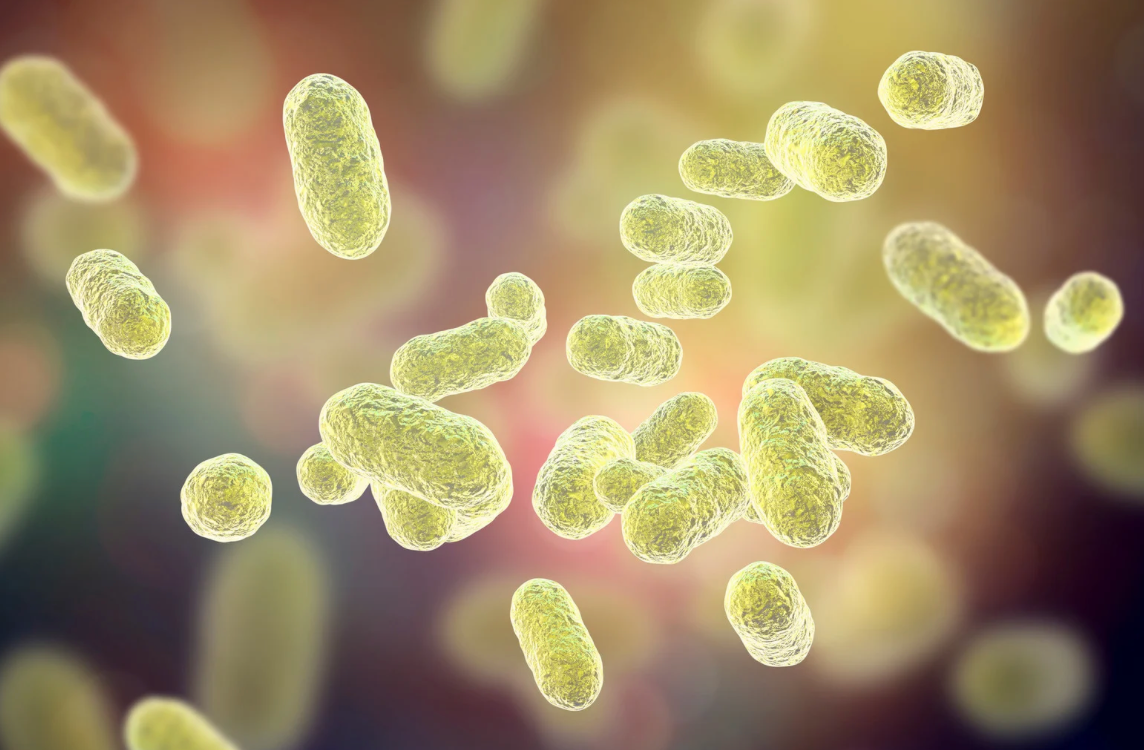
The findings revealed that certain bacteria associated with disease, such as E. coli and Klebsiella, were more common in the guts of individuals with PD and IBD. These bacteria are linked to inflammation, which may play a role in both conditions. In IBD, gut inflammation has been associated with increased brain inflammation, potentially raising the risk of developing PD. Some studies also suggest that gut bacteria may contribute to the misfolding of alpha-synuclein, a protein involved in PD, with this process potentially beginning in the gut and spreading to the brain.
Loss of Beneficial Gut Bacteria
A decrease in beneficial gut bacteria that produce short-chain fatty acids (SCFAs) was also observed. These SCFAs help regulate the immune system and reduce inflammation. Since lower levels were seen in both PD and IBD, their loss could contribute to disease progression. Some research indicates that higher levels of one SCFA, butyrate, may help delay PD onset, suggesting that restoring these beneficial bacteria could support gut and brain health.
Vitamin K2 and Gut Bacteria
Another notable finding involved vitamin K2, which is important for bone and blood health. Increased levels of gut bacteria linked to vitamin K2 production were seen in both PD and IBD. This could be a response to underlying inflammation, but further research is needed to understand its significance.
Amino Acid Metabolism and Brain Function
Changes in the metabolism of certain amino acids, including arginine and tryptophan, were also observed. Since tryptophan is linked to serotonin, a brain chemical affecting mood and movement, disruptions in its metabolism could have implications for both PD and IBD.
Cause or Effect?
It remains unclear whether these gut microbiome changes contribute to the development of PD and IBD or if they result from the diseases. However, research in animal models suggests that specific bacteria may trigger inflammation and protein misfolding in ways that could influence disease progression. Future studies could explore whether modifying the gut microbiome through diet, probiotics, or other interventions might reduce the risk of PD, particularly for individuals with IBD.
Implications for Future Research
Although the study had limitations, including small sample sizes, the findings provide valuable insights into the connection between the gut and brain. This research highlights the potential for future studies on gut-targeted therapies to support brain health in individuals with PD.
Comments (0)
Loading comments...