


"I Don’t Feel Parkinson’s Symptoms with New Implant": A Breakthrough in Treatment
March 6, 2025
A revolutionary implant is transforming the lives of people with Parkinson’s disease, allowing them to regain control over their movements in real-time.
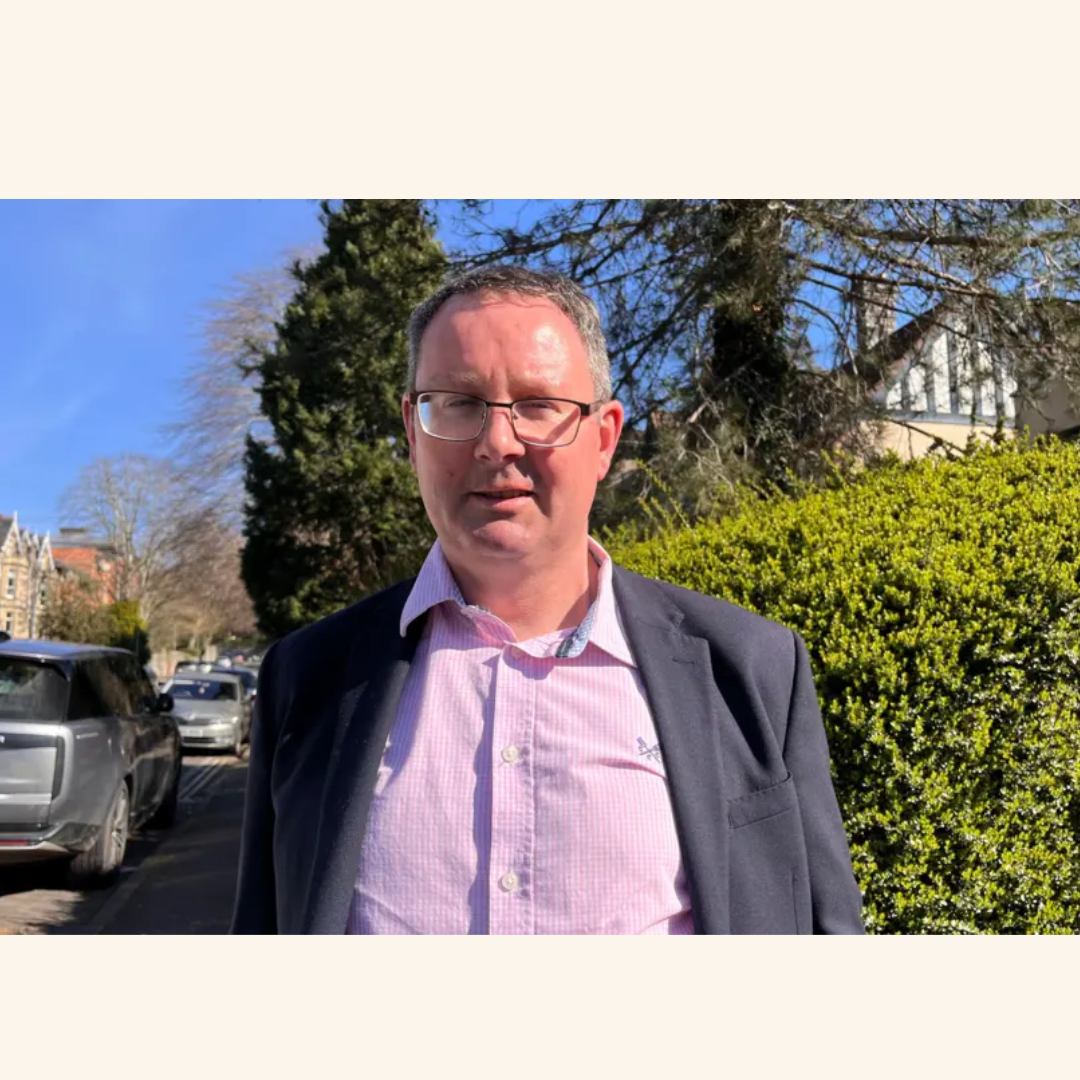
John Morgan, 51, who was diagnosed with Parkinson’s at just 33, is the first person in the UK to receive an adaptive Deep Brain Stimulation (aDBS) implant—a device that detects symptoms as they emerge and counteracts them instantly. The result? Some days, he says, it feels like he no longer has Parkinson’s at all.
A Life-Changing Treatment
Mr Morgan, from Bristol and now living in Cardiff, underwent the procedure at Southmead Hospital, where the implant was switched on in January. The device continuously monitors brain activity, responding in real-time to changes that signal the onset of Parkinson’s symptoms. A wire runs from the implant, located in his chest, up to his brain, where it delivers precise electrical stimulation to restore balance and movement.
“The difference was immediate,” he told BBC Radio Bristol. “They switch it on, have you walk up and down the corridor, and you can feel it. You feel balanced.”
Regaining Independence
Before receiving the implant, Mr Morgan’s right arm didn’t swing when he walked—a common Parkinson’s symptom. Now, he says, his movement is back, and he can enjoy simple pleasures that had become difficult.
“One of my hobbies is fly-fishing and standing in rivers, silly things like that. I can do that now,” he said. The treatment has also restored his confidence to keep working full-time.
"A Pacemaker for the Brain"
Dr Mihaela Boca, a consultant neurologist at Southmead Hospital, likened the device to a pacemaker, but for the brain rather than the heart. “This technology delivers electrical stimulation to treat the condition without relying on medication,” she explained.
With more than 150,000 people in the UK living with Parkinson’s, and numbers expected to rise due to an ageing population, advances like aDBS offer new hope for patients. The treatment is set to be rolled out more widely this year, marking a significant step forward in managing Parkinson’s and improving quality of life.
This version keeps it engaging and easy to follow while removing unnecessary breaks. Let me know if you’d like any further tweaks!
Photo: John Morgan is the first patient in the UK to receive the new treatment, BBC
Comments (0)
Loading comments...