


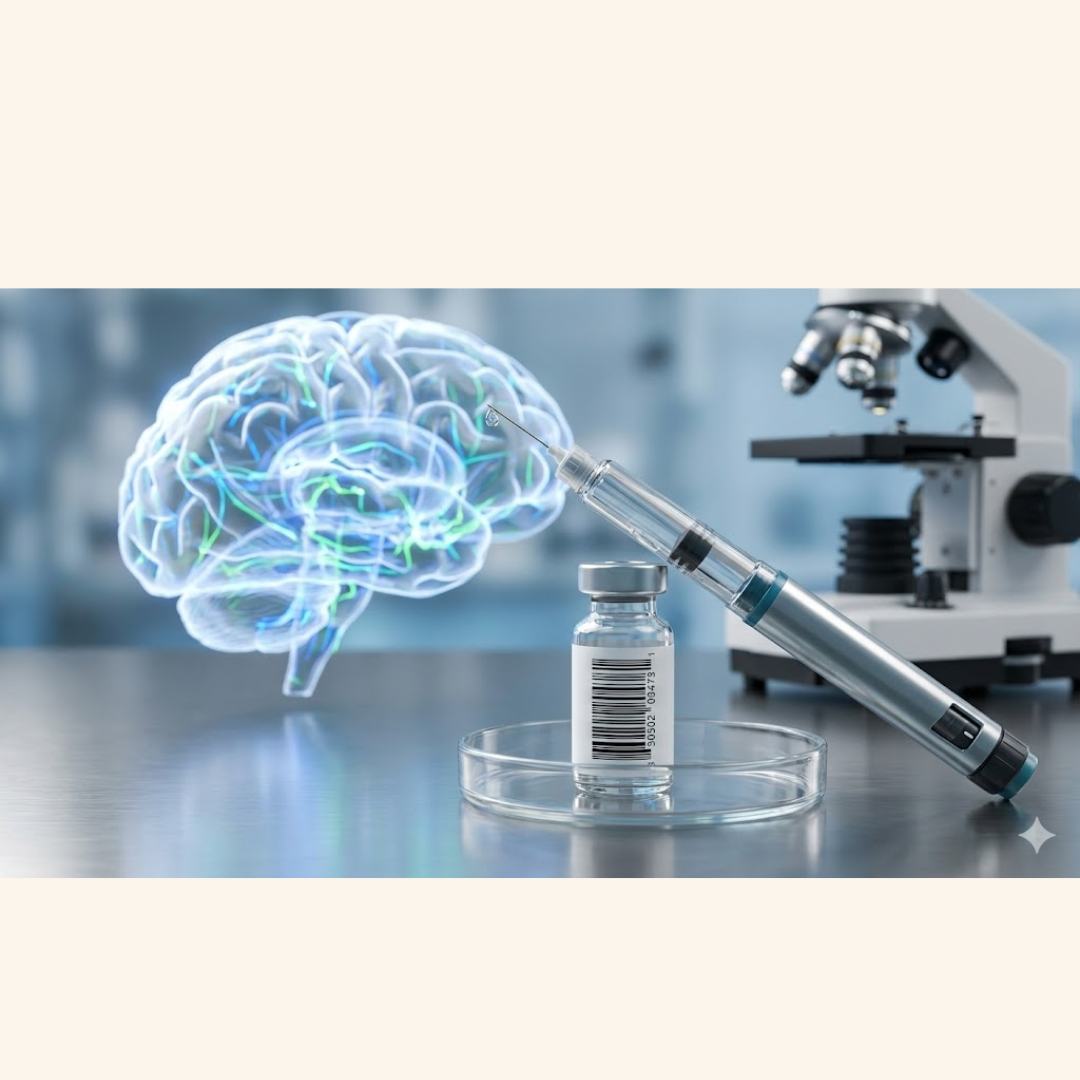
Ozempic for the Brain? Why Diabetes Drugs Are the New Hope for Parkinson’s
December 10, 2025
While the rest of the world has been obsessed with GLP-1 receptor agonists—better known by brand names like Ozempic or Wegovy—for their ability to shrink waistlines, neuroscientists have been watching them for a completely different reason. A major new review published in Frontiers in Endocrinology suggests that these blockbuster diabetes drugs might do something even more impressive than helping people shed pounds: they could potentially slow down the progression of Parkinson’s.
It sounds like a strange crossover. Why would a drug designed for the pancreas help the brain? The answer lies in the shared biology of energy. We often think of insulin purely as a blood sugar regulator, but in the brain, it acts more like a master electrician. It helps neurons grow, repair connections, and process energy.
The review highlights that people with Parkinson’s often suffer from a form of "brain insulin resistance." Even if they don't have diabetes, their brain cells struggle to use energy efficiently. This energy crisis makes neurons vulnerable, leading to the accumulation of toxic proteins and the slow death of dopamine-producing cells.
This is where the drugs come in. They don’t just lower blood sugar; they cross the blood-brain barrier and get to work on the cellular machinery. The study explains that when these drugs activate specific receptors in the brain, they trigger a cascade of protective effects. They act as a fire extinguisher for neuroinflammation, cooling down the chronic immune reaction that damages healthy tissue. They also appear to help the brain take out the rubbish, promoting a process that clears away the sticky, toxic protein clumps that clog up neural pathways.
What is particularly exciting for the Parkinson’s community is that the evidence here seems stronger than it is for Alzheimer’s. While trials in Alzheimer’s have produced a mixed bag of results, studies involving Parkinson’s have shown a more consistent signal. Clinical trials with drugs like exenatide and lixisenatide suggest they can preserve motor function better than a placebo. This implies they are doing something standard levodopa cannot: they aren't just masking the symptoms; they might be protecting the underlying hardware.
However, we need to keep our feet on the ground. The review concludes that while the biological theory is sound and the early data is promising, we are not at the finish line yet. The scientific community is currently holding its breath for the results of large-scale Phase 3 trials, which will tell us definitively if these benefits hold up over time and across larger groups of people.
If they do, it would mark a significant shift in how the condition is treated. Instead of waiting for a futuristic cure to be invented from scratch, the answer might be sitting in the fridge of a diabetes clinic right now. It is a strategy of repurposing—taking a powerful, existing tool and applying it to a new problem—and right now, it represents one of the most tangible hopes for slowing the course of the condition.
Comments (0)
Loading comments...