


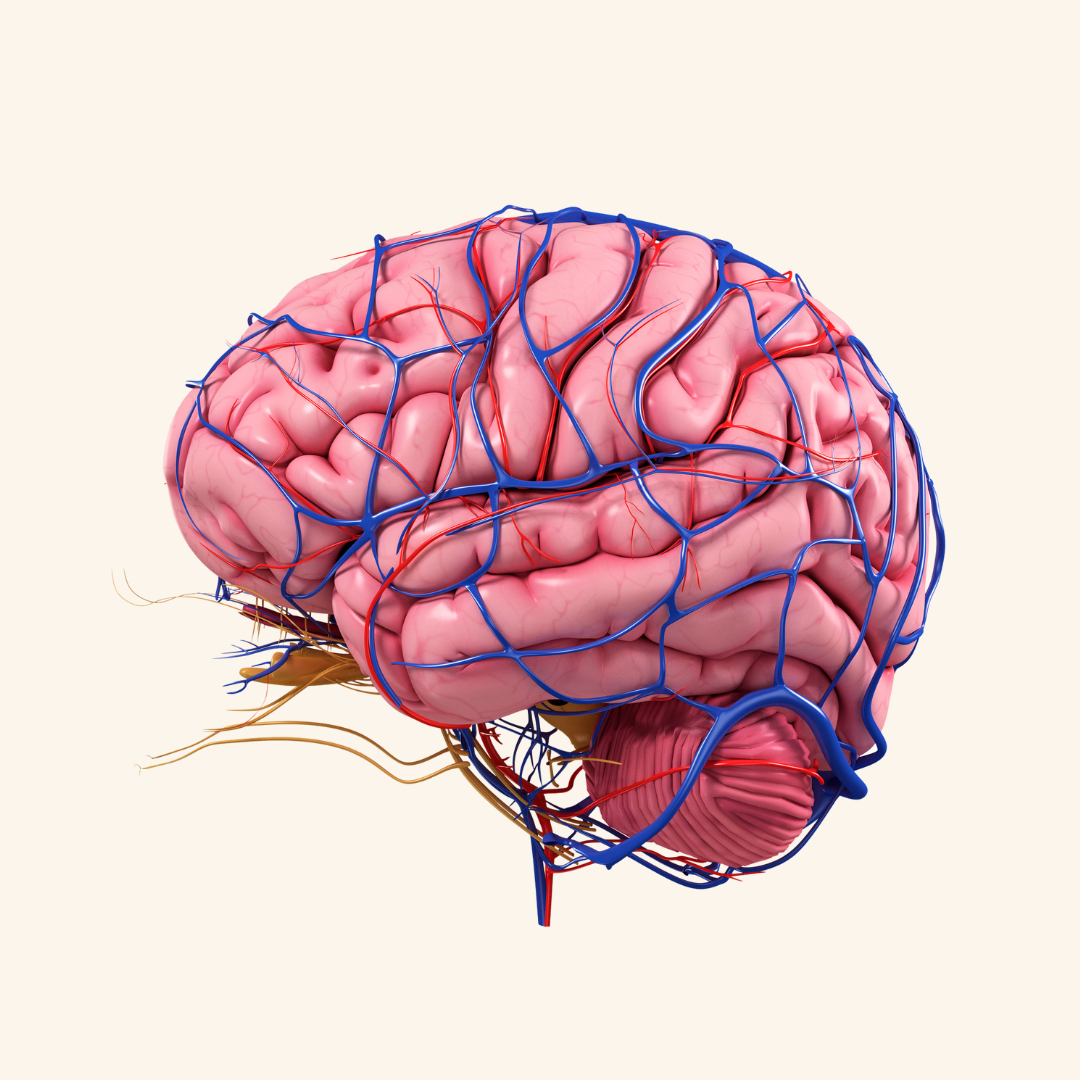
Could Brain Plumbing Hold the Key to Parkinson’s Symptoms?
May 23, 2025
Parkinson’s disease is widely known for affecting movement—causing tremors, stiffness, and slowness. But new research suggests part of the problem might come from an unexpected source: the brain’s own plumbing system.
🧩 The Brain’s Fluid Mechanics
Our brains contain a network that manages the flow and clearance of cerebrospinal fluid (CSF), which helps wash away waste and keeps the brain’s environment healthy. Two important parts of this system are:
- Choroid Plexus (CP): A structure that produces CSF.
- Glymphatic System: A kind of brain cleansing pathway that clears waste, mostly while we sleep.
In people with Parkinson’s, scientists have found that the choroid plexus tends to become enlarged. This change might interfere with the natural flow of CSF and prevent the brain from clearing out waste properly.
🔬 What the Study Found
Researchers scanned the brains of 123 people with Parkinson’s to investigate the relationship between CP size, brain fluid clearance, and motor symptoms.
Here’s what they discovered:
Enlarged CP: People with a larger choroid plexus tended to have more severe movement symptoms.
Dilated Perivascular Spaces (dPVS): These are tiny channels around blood vessels that help CSF flow. When these spaces were enlarged—especially in an area called the basal ganglia, which helps control movement—motor symptoms were worse.
A Chain Reaction: The research suggests that an enlarged CP might be causing the dPVS to dilate, disrupting fluid flow, impairing waste removal, and leading to more noticeable movement issues.
🛌 Why Sleep Matters
The glymphatic system does most of its cleaning work while we sleep. This reinforces how vital sleep is to brain health—especially when it comes to flushing out harmful proteins like alpha-synuclein, which builds up in Parkinson’s.
🔮 What This Could Mean
This study could reshape how we understand and manage Parkinson’s:
New Treatments: Therapies that support or repair these fluid systems might help slow disease progression or ease symptoms.
Better Monitoring: Keeping an eye on CP size and dPVS changes could one day help doctors track how the disease develops—or even catch it earlier.
📝 Final Thoughts
While more research is needed, this study highlights how the brain’s housekeeping systems might play a bigger role in Parkinson’s than we thought. By paying attention to the brain’s own plumbing, we may open up new ways to treat or manage this complex condition.
Comments (0)
Loading comments...