


COVID May Be More Dangerous for Parkinson’s Than We Thought: New Study Reveals How the Virus Could Accelerate Brain Damage
August 7, 2025
Researchers have uncovered a troubling link between the SARS‑CoV‑2 virus and Parkinson’s disease. A recent study reports that the spike protein, in particular, the receptor-binding domain (RBD), actually speeds up Parkinson’s progression in laboratory models. It does this by triggering harmful communication between the brain’s immune cells and neurons, leading to a critical protein called RTP801 to rise and ultimately worsening neuron damage.
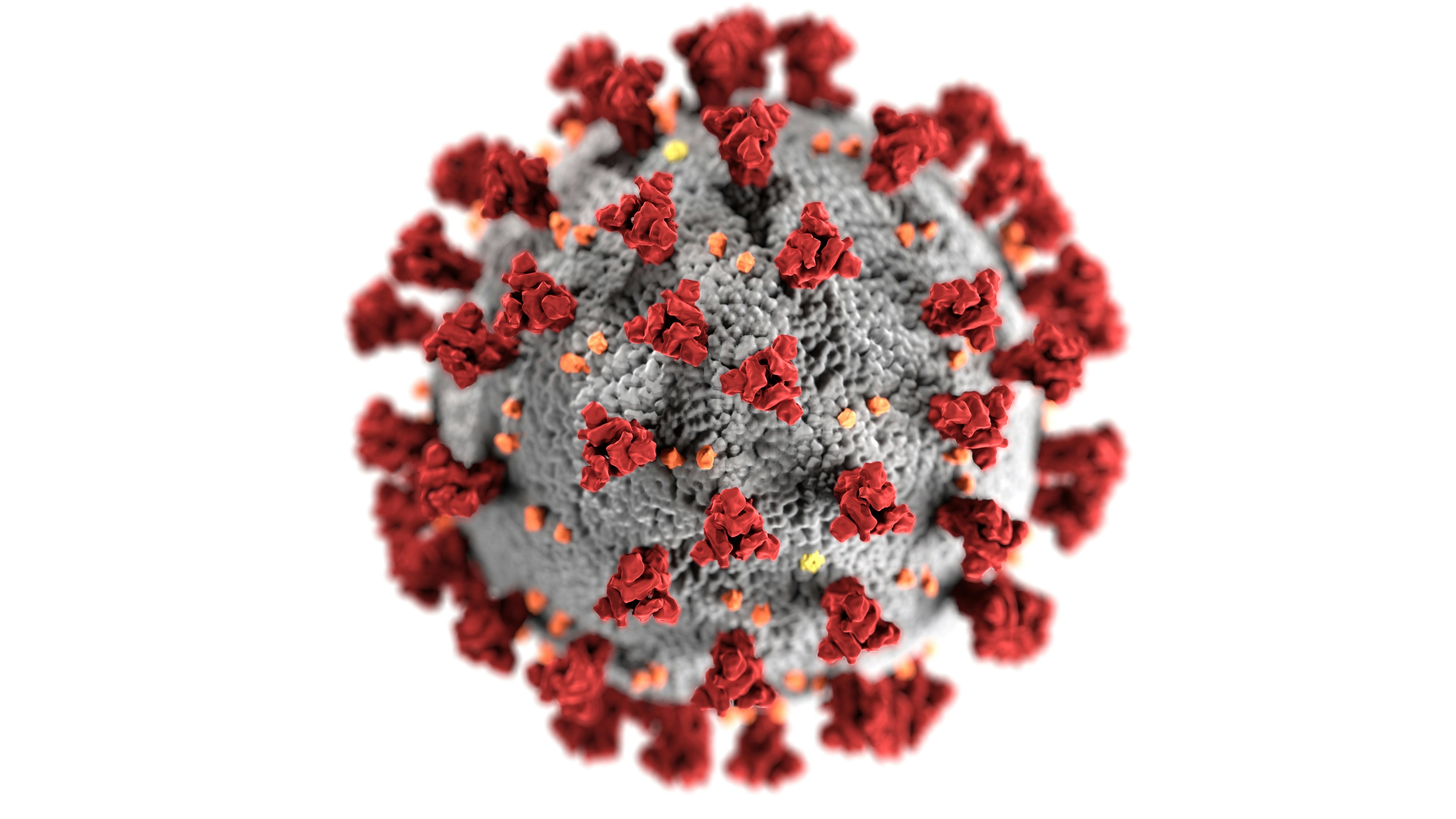
SARS‑CoV‑2 is the virus that causes COVID‑19. It mainly affects the lungs, but scientists have found that it can also impact other parts of the body, including the brain. The virus uses its spike protein, tiny spikes on its surface to enter human cells. This is the same spike protein studied in this research.
In healthy brains, microglia act like guardians patrolling, cleaning up debris, and helping neurons stay balanced. But when the spike RBD enters the scene, it appears to flip that role. The microglia begin sending distress signals to neurons, prompting those neurons to crank up RTP801, a protein known to drive cell death in Parkinson’s.
What’s alarming is that this isn’t just a temporary hiccup. Researchers describe this as “sustained progression” meaning the effects stick around, adding ongoing stress to neurons, not just a momentary flareup. This suggests that exposure to the spike RBD might not only worsen, but also actively sustain Parkinson’s disease processes.
Of course, these findings come from controlled lab settings probably using animal models or cell cultures. That means while the results are eye opening, there’s a lot more to learn before we can say how this might affect people. It does, however, raise important questions. If the virus or even the spike protein on its own can exacerbate Parkinson’s, it underscores the importance of understanding how infections intersect with neurodegenerative diseases.
While trying to recreate these conditions at home isn’t safe (and not advisable), this study opens a path toward developing treatments that could interrupt the destructive dialogue between microglia and neurons. Targeting RTP801 or blocking the harmful crosstalk may become a future strategy for slowing Parkinson’s progression.
Comments (0)
Loading comments...