


The MIND Diet: A Brain-Protective Eating Plan with Real Implications
September 1, 2025
What are the MIND and DASH diets?
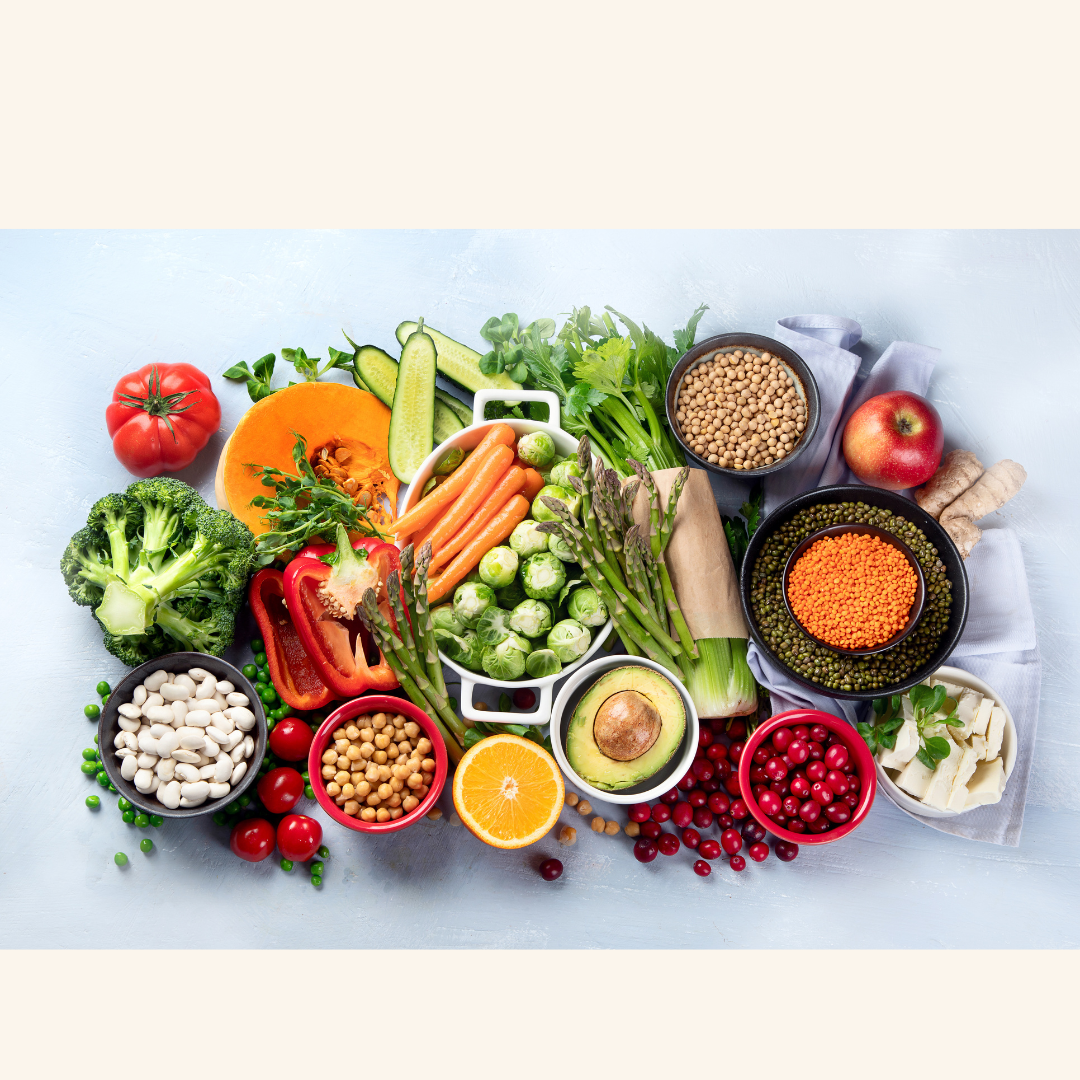
The DASH diet (Dietary Approaches to Stop Hypertension) is a heart-healthy plan focused on lowering blood pressure through reduced sodium and balanced nutrients—think lots of fruits, vegetables, whole grains, and lean proteins. The Mediterranean diet promotes whole foods staples like vegetables, fruits, nuts, whole grains, olive oil, and fish. The MIND diet blends the best of both, zeroing in on the foods believed to help the brain—especially leafy greens, berries, nuts, whole grains, beans, fish, poultry, olive oil, and wine in moderation—while limiting red meat, butter, full-fat cheese, sweets, and fried foods.
What did this study do?
Researchers followed 809 older adults (average age at death ~91) over an average of 7 years. Participants completed annual detailed diet surveys, generating a MIND diet score from 0 to 15 (higher = better adherence). After death, their brains were examined for hippocampal sclerosis (HS)—marked by neuron loss in memory-critical hippocampus areas—and for LATE-NC, a related brain pathology. In a subset of 300 participants, the degree of overall neuron loss in the hippocampus was also graded from 0 (none) to 5 (severe).
Key findings: What did the data show?
HS was detected in about 10% of participants, and ~9% had both HS and LATE-NC. Among the subset, 14% had moderate and 12% had severe neuronal loss in the hippocampus. Every 1-point increase in MIND diet score was linked to a 22% lower odds of having HS (odds ratio ~0.78). A similar benefit applied to having both HS and LATE-NC (odds ratio ~0.79). Participants in the highest third of MIND scores had roughly half the risk of HS compared to those in the lowest third (about 47–48% lower odds). Those in the top diet group also showed significantly less severe hippocampal neuronal loss. Mediation analysis revealed that about 21% of the link between the MIND diet and lower dementia risk was explained by its effect on reducing HS.
Why these results are especially relevant for people with Parkinson’s
Parkinson’s isn’t just about movement; cognitive decline—and hippocampal health—matters too. The hippocampus plays a vital role in memory and mental agility, elements that often are affected in Parkinson’s. The fact that MIND diet adherence is linked to less hippocampal neuron loss and pathology suggests it could help protect memory structures even as motor symptoms evolve. Earlier research has also shown that strict MIND viewing may delay Parkinson's onset by over a decade.
In plain terms:
Sticking closely to the MIND diet may reduce the odds of developing serious hippocampal damage—damage often tied to memory issues and cognitive decline.
Thanks to this brain protection, the diet may partly explain why those who eat well tend to develop dementia—or Parkinson’s-related cognitive problems—later or at a slower rate.
For someone with Parkinson’s, this means that adopting more of these brain-friendly foods—like leafy greens, berries, and whole grains, while cutting back on red meat and sweets—could support memory and thinking as well as movement.
Example snapshot:
Imagine two people aged 85 with similar lifestyles: one scores 6/15 on MIND, the other 8.5/15. The second person would have nearly 50% lower odds of having hippocampal sclerosis, and likely better preservation of neuronal health in the hippocampus—potentially translating to better memory and cognitive resilience.
Comments (0)
Loading comments...