


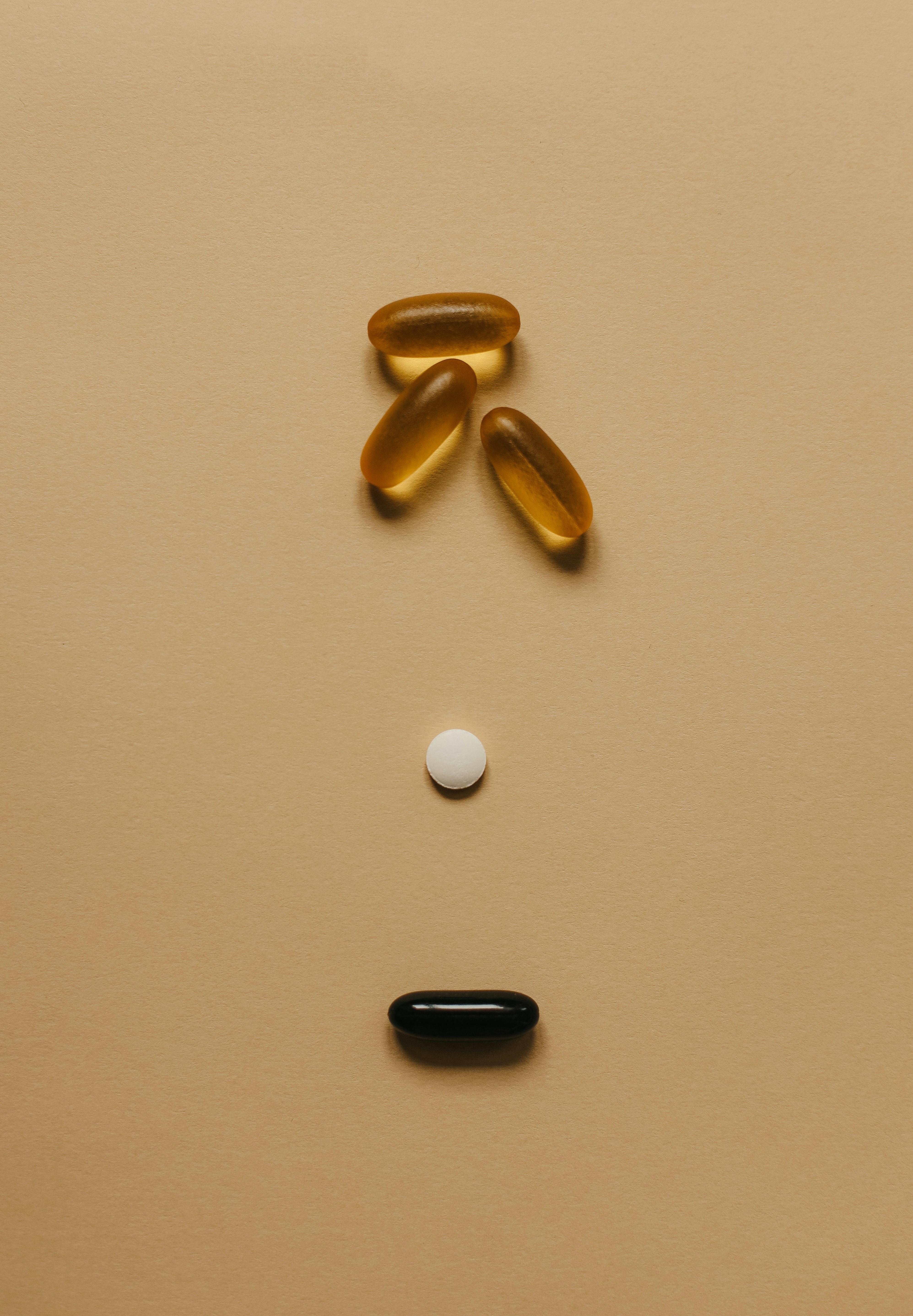
Thinking About a Longevity Supplement? Read This First.
October 30, 2025
The focus here isn’t Parkinson’s, but ageing — and what science really says about all those pills and powders promising a longer, healthier life.
If you’ve ever scrolled through social media and wondered whether you should be swallowing handfuls of supplements like your favourite longevity influencer, you’re not alone. From Bryan Johnson’s “Don’t Die” protocol to Gary Brecka’s cocktail of powders, patches and nasal sprays, the internet is brimming with people claiming they’ve found the secret to staying young.
But do any of these so-called elixirs of youth actually work?
What the Science Says (and Doesn’t Say)
Doctors and researchers are united on one thing: no supplement has ever been shown in a large clinical trial to extend human life. None. Despite the buzz, the hard evidence simply isn’t there.
Dr Eric Topol, founder of the Scripps Research Translational Institute, calls the influencer-driven supplement craze “a whole gemish of things… with no data.” He’s not wrong. Most claims are based on animal studies or short human trials that show changes in biomarkers, not actual longevity.
That said, researchers at places like the Buck Institute for Research on Aging see potential in some supplements for improving health span — the number of years we live free from serious disease. But it’s a space full of both opportunity and false promise.
The Basics Still Matter
Among the handful of supplements with genuine medical backing, three come up again and again: vitamin D, vitamin B12, and omega-3s.
As we age, it’s common to fall short on these nutrients — especially for people who don’t get much sunlight, eat little fish, or take medications that block vitamin absorption. Low levels are linked to heart disease, cancer, and bone loss, which is why doctors sometimes recommend topping up.
Yet when scientists actually put these supplements to the test, the results were modest at best. Massive trials like VITAL (in the US) and DO-HEALTH (in Europe) found no broad benefits for cancer, cardiovascular health, or cognition. The only small win was that people with low fish intake saw fewer heart attacks and strokes from omega-3 supplements.
So, while there’s no harm in correcting a deficiency, for most healthy eaters, you’re probably wasting your money.
Interestingly, newer analyses hint that vitamin D might slow telomere shortening — a marker of cellular ageing — while omega-3s could slow biological ageing. It’s early days, but these effects might be due to their anti-inflammatory properties.
The Experimental Zone
This is where things get buzzy — and murky.
Newer “longevity molecules” like NAD+ boosters, spermidine, and urolithin A are being sold as ways to rejuvenate cells and keep organs youthful. These are naturally occurring molecules that play roles in energy production, protein recycling, and mitochondrial health.
In theory, boosting them should fight the effects of ageing. In practice, that’s yet to be proven. Most studies have been done on worms or mice, where they did indeed live longer or move better. But when tested in humans, the effects are minimal or nonexistent.
Worse, some of these supplements have been found to contain completely different amounts than their labels claim — sometimes off by 100 percent. Dr Andrea Maier at the National University of Singapore, who led a study on NAD+ and urolithin A products, found inconsistencies across every brand and price range.
As for safety? Nobody really knows. Long-term data doesn’t exist. Some compounds may be fine in small doses, but over months or years, unknown side effects could emerge.
The Parkinson’s Connection: A Side Note
Although most of this research is about ageing in general, some of these supplements are being quietly explored for Parkinson’s disease (PD). The logic makes sense — many of these molecules target cellular energy, inflammation, and mitochondrial health, all of which are relevant to PD.
For example, NAD+ is crucial for energy production inside neurons, and its levels drop with both ageing and Parkinson’s. Boosting NAD+ might, in theory, help protect dopamine-producing brain cells. Similarly, omega-3s and vitamin D have anti-inflammatory and neuroprotective effects that could support brain health and slow symptom progression.
However, the evidence so far is thin and inconsistent. Most trials are small or still in early stages. So while it’s tempting to try these “longevity” supplements for Parkinson’s, they’re not proven treatments. Think of them more as potential helpers rather than cures — and always discuss them with a doctor before starting anything new.
The Real Longevity Secret
If you’re serious about staying healthy into old age, the proven strategies aren’t sold in bottles. Every expert in the field agrees: exercise is still the most powerful anti-ageing tool we have.
Regular physical activity reduces inflammation, protects the brain, supports heart health, and even changes how your genes express themselves — all without a fancy label or marketing budget.
So before you spend a fortune on mystery powders, remember this: the best longevity “supplement” might just be a brisk walk, a good night’s sleep, and a diet full of real food.
Comments (0)
Loading comments...