


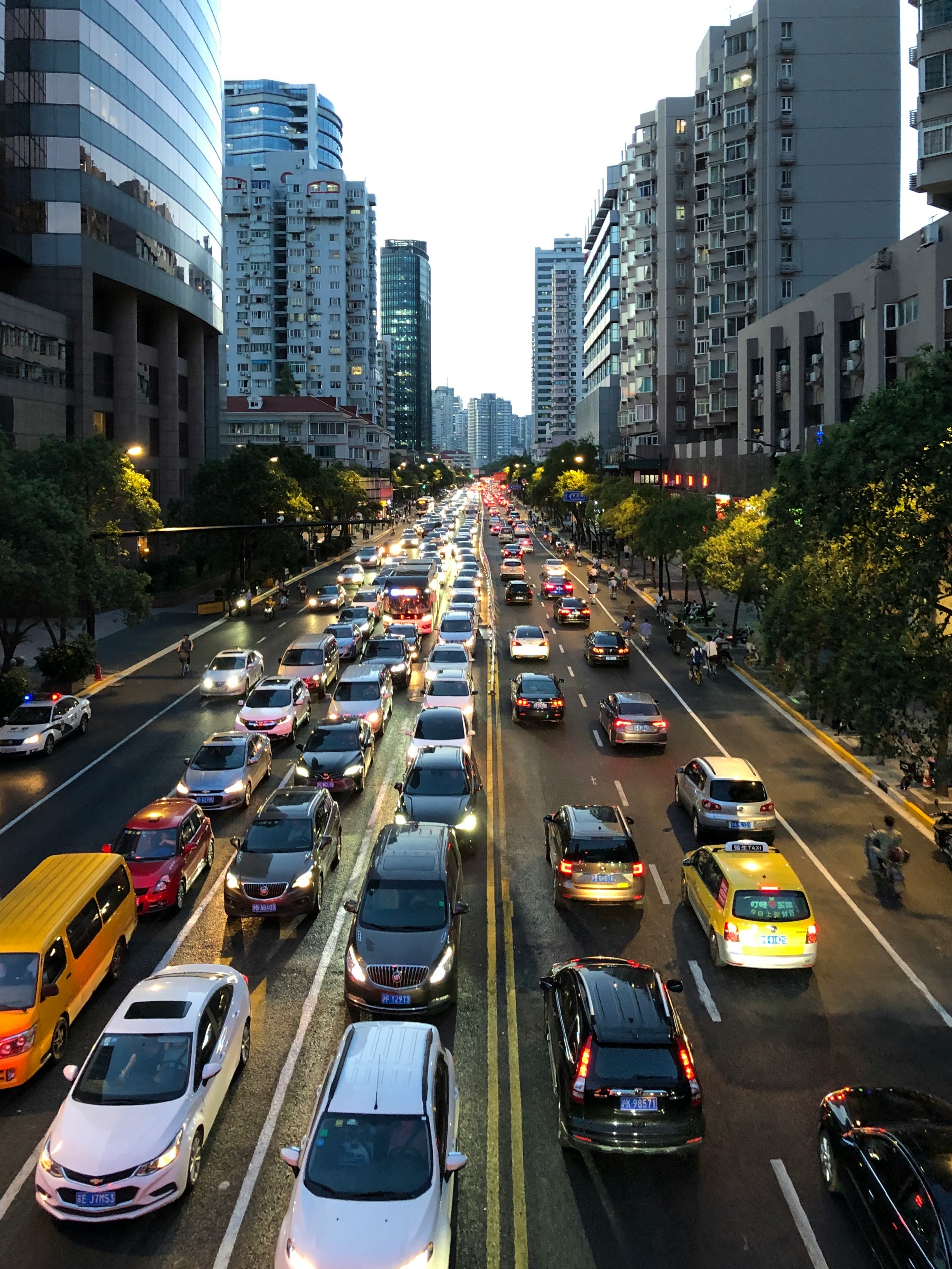
Danish study reveals long term exposure to road traffic noise raises the risk of Parkinson's
July 22, 2026
 Beatrice
We have been already aware and itbis highly publicised that environmental variables like pesticides, industrial solvents, and air pollution have been tied to Parkinson's risk, as has living in areas with increased potential exposure to toxicants from golf courses. But a new study from Denmark also shows that traffic noise is an intriguing factor that might be quietly raising the risk of developing Parkinson's over time.
Researchers in Denmark tracked over three million adults aged 40 and older for more than a decade to see how noise outside their homes affected their long term health. Over the course of thirteen years, more than 20,000 participants received a diagnosis of Parkinson's. By measuring the precise level of traffic noise hitting the outside walls of homes, scientists found a clear pattern where steady background noise from cars and lorries goes up alongside the risk of developing Parkinson's, even after accounting for air pollution, green space, and lifestyle factors.
The biology behind this link comes down to how constant noise impacts the body. Loud or continuous traffic sounds disrupt normal sleep patterns and circadian rhythms. Over time, this ongoing stress response triggers inflammatory pathways in the brain, creating an environment where brain cells are under increased pressure.
Interestingly, the study pointed out a key sanctuary in home design. People whose homes had a quiet side, meaning one side of the building was at least ten decibels quieter than the side facing the road, had a lower overall risk. Having a peaceful bedroom or living area facing away from main roads seems to offer a protective buffer against the strain of chronic noise, particularly during night time rest.
While the increase in individual risk from traffic noise is relatively small, experts emphasize that the public health impact is huge simply because so many people live near busy streets.
Reducing noise pollution through urban design, sound barriers, or having quiet spaces inside the home could play a meaningful role in protecting long term brain health.
Comments (0)
Loading comments...