


New Study Reveals How Brain Changes Can Help Identify Parkinson’s Disease Stages
February 13, 2025
A groundbreaking international study has shed new light on how changes in brain structure can help track the progression of Parkinson’s disease (PD). The research, which analysed brain scans from over 2,500 people with Parkinson’s and 1,300 healthy individuals, provides a deeper understanding of how the disease affects different regions of the brain.
Understanding Brain Changes in Parkinson’s
Parkinson’s disease is well known for its impact on movement, but it also affects memory, mood, and other brain functions. Scientists have long known that certain areas of the brain deteriorate as the disease progresses, but pinpointing specific patterns of change has been challenging. This study looked at the shape and thickness of key brain regions, including the basal ganglia, thalamus, amygdala, and hippocampus—areas crucial for movement and cognition.
Key Findings: A Step-by-Step Breakdown of Brain Degeneration
Researchers found that different parts of the brain show signs of shrinking (atrophy) at different stages of the disease:
Early Stage (HY1): The putamen (a key movement-related structure) starts thinning, while some parts of the thalamus actually thicken.
Moderate Stage (HY2-HY3): More brain areas are affected, including the caudate nucleus (involved in movement and learning) and the amygdala (linked to emotions). The hippocampus (important for memory) and nucleus accumbens (associated with motivation) also start thinning.
Advanced Stage (HY4-HY5): The globus pallidus, a crucial movement-control area, shows significant shrinkage, reflecting worsening symptoms.
Why Does This Matter?
This study helps doctors and researchers better understand how Parkinson’s progresses over time. By identifying specific brain regions affected at each stage, doctors may be able to diagnose the disease earlier and monitor its progression more accurately. The findings could also help in the development of new treatments aimed at slowing brain degeneration.
Challenges and Next Steps
One of the biggest challenges in Parkinson’s research is that every patient’s experience is different. While these findings provide a general pattern, individual differences still exist. Future research will aim to refine these insights and explore how they can be used to improve early detection and personalised treatment plans.
Final Thoughts
This large-scale study highlights the power of global collaboration in medical research. With a better understanding of how Parkinson’s affects the brain, scientists are one step closer to improving the lives of those living with this challenging condition.
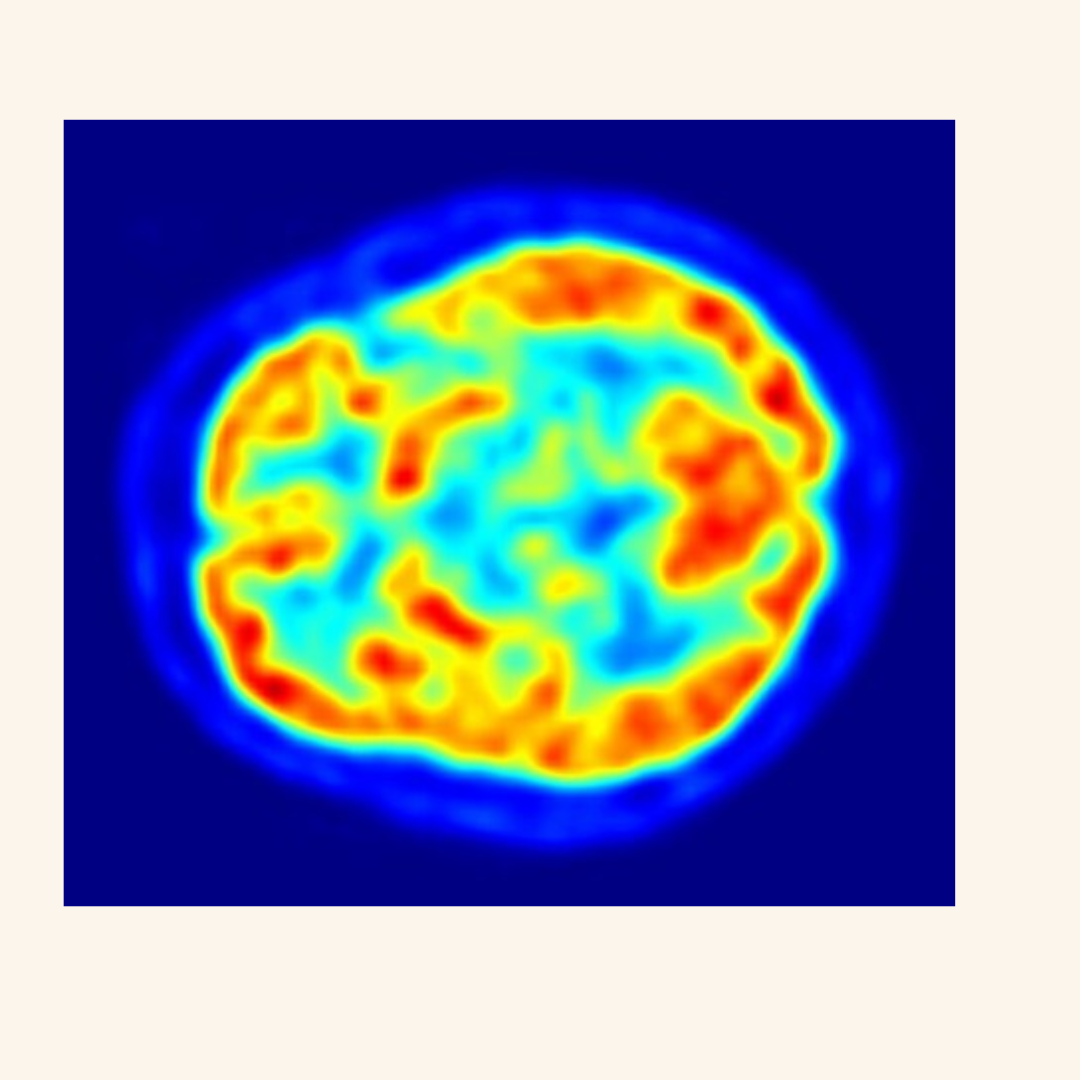
Photo: For the first time, the extent of the disease has been correlated with quantitative changes in brain images (image: Jens Maus/Wikipedia)
Comments (0)
Loading comments...