


12 Tips for Parkinson’s Disease Self-Care
June 29, 2025
 LeahJS
A former marine and attorney, who had never danced before, found unexpected strength in a New York program called Dance for PD, where he embraced tap dancing despite stiffness and gait challenges. He eventually performed a full routine for the group—an inspiring reminder of how creative movement can bring both physical and emotional healing.
“I saw a transformation,” says David Leventhal, co-founder of Dance for PD. “Not just physically, but in his confidence and joy.”
💪 Why Self-Care Matters in Parkinson’s
Taking active steps to care for your physical, emotional, and social health can greatly improve life with Parkinson’s—and may even slow its progression. “Self-care has real power,” says neurologist Dr. Ritesh Ramdhani.
1. Move Your Body
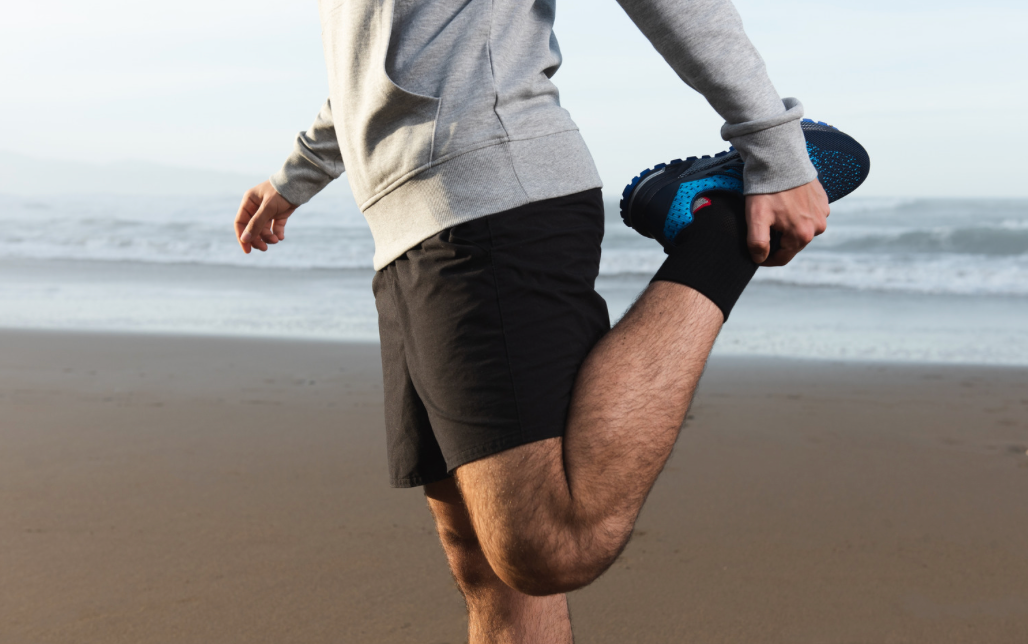
Exercise is one of the most effective ways to ease Parkinson’s symptoms like slowness, stiffness, and fatigue. Nearly any type of regular movement helps—walking, swimming, dancing, and more.
🔁 2. Mix It Up
Vary your workouts with cardio, strength, flexibility, and balance exercises. Try yoga, weightlifting, tai chi, or even kayaking to keep your body and brain engaged.
🔥 3. Try High-Intensity Exercise
Emerging research suggests high-intensity workouts may help protect brain cells affected by Parkinson’s. A Yale study even showed increased dopamine activity in participants’ brains after six months of interval training.
🥗 4. Eat for Brain Health
A Mediterranean or MIND diet—rich in whole foods, healthy fats, fiber, and lean proteins—may support brain health and slow disease progression. These diets can also help manage common symptoms like constipation.
🌶️ 5. Enhance Food Enjoyment
Loss of smell or taste is common in Parkinson’s, but meals can be made more enjoyable with colorful ingredients, varied textures, and bold flavors like garlic, onion, and spices.
😴 6. Improve Sleep
Many people with Parkinson’s struggle with poor sleep. Good sleep hygiene, therapy, or medical devices like CPAP for sleep apnea can help restore rest and energy. Talk to your doctor about options.
⏰ 7. Take Medications on Schedule
Consistent medication timing—especially for levodopa—is essential. Use phone alarms or digital assistants to stay on track and maintain stable dopamine levels.
👩⚕️ 8. See a Movement Disorder Specialist
These experts stay up to date on the latest treatments, including extended-release medications and levodopa pumps. Timely and tailored care can prevent unnecessary symptom progression.
🧘 9. Manage Stress Mindfully
Stress can worsen motor and non-motor symptoms. Mindfulness, journaling, time in nature, or even painting can help reset your nervous system. Find calming practices that work for you.
🤝 10. Stay Connected
Parkinson’s can lead to isolation, but connection is vital. Support groups, exercise classes, or simply spending time with friends can reduce loneliness and support emotional well-being.
🧠 11. Support Your Mental Health
Anxiety and depression are common in Parkinson’s and should be treated as part of your care plan. Therapy, medication, and mind-body techniques can make a meaningful difference.
🛠️ 12. Use Tools That Make Life Easier
Occupational therapists can help you find adaptive tools that make everyday tasks more manageable. From utensils to voice amplifiers, small changes can make a big impact.
💬 Final Thought: You’re Not Alone
Living well with Parkinson’s is possible—and you don’t have to do it alone. From dance classes to dietary changes, self-care and community support can help you not just manage, but thrive.
Comments (0)
Loading comments...