


Parkinson’s Drug May Harm Gut Health Due to Iron Deficiency
November 23, 2024
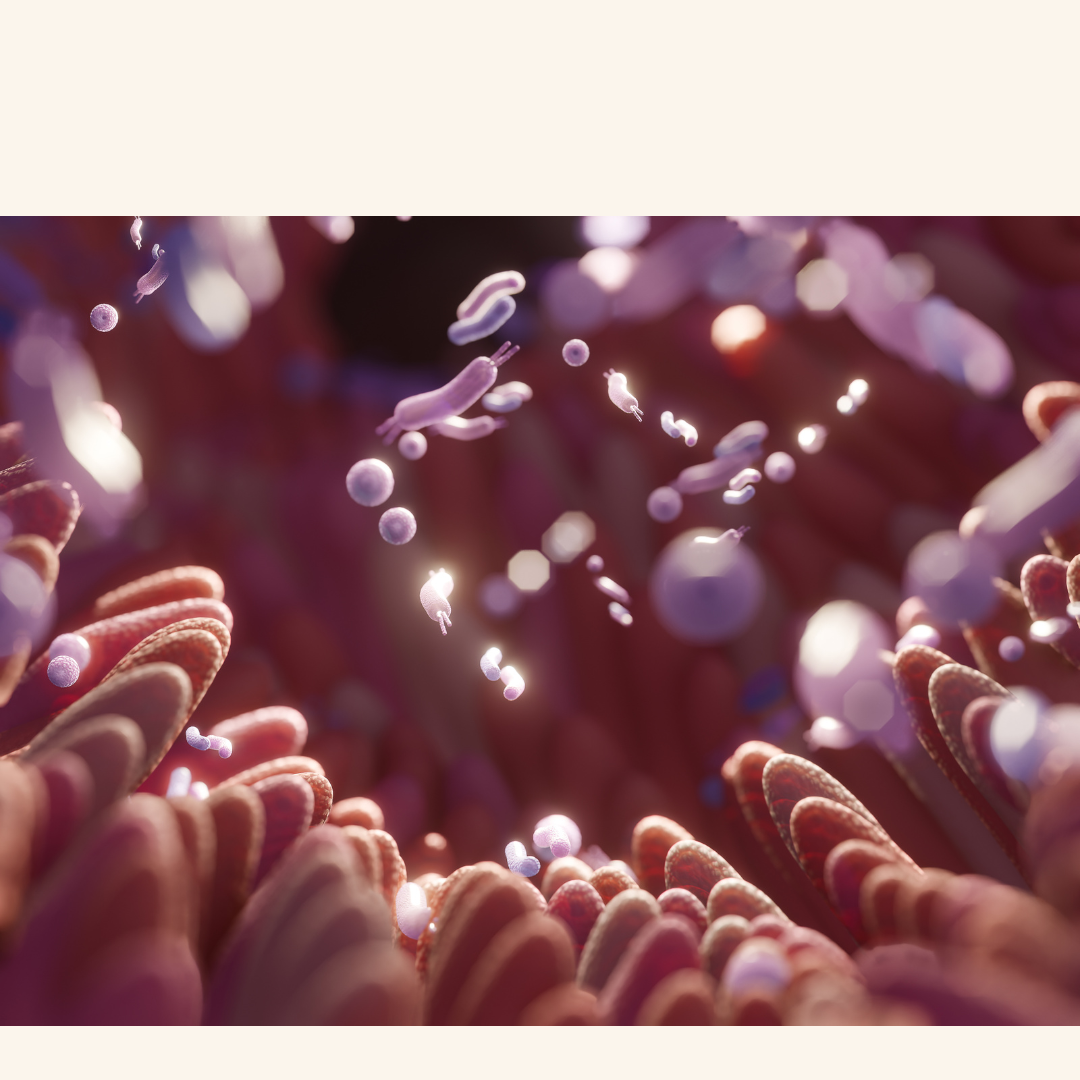
A new study has found that a common drug used to treat Parkinson’s disease, entacapone, might negatively impact gut health by disrupting the balance of microbes in the digestive system. Researchers discovered that this drug causes iron deficiency in the gut, creating conditions that favor harmful bacteria like E. coli. These findings provide fresh insight into how drugs meant to treat human diseases can unintentionally affect the delicate ecosystem of gut bacteria, known as the microbiome.
How Drugs Affect Gut Bacteria
It’s widely known that antibiotics can disrupt gut bacteria, but this study highlights that other types of drugs, especially those for neurological conditions, can also have unexpected effects. Although drugs like entacapone are designed to treat specific conditions, they can interfere with the gut’s microbial balance, leading to potential health problems.
The research team from the University of Vienna, working with partners from the UK, Denmark, and the US, used a new experimental method to study these interactions. Unlike previous studies that relied on patient data or isolated bacteria, this study analyzed how real gut microbiomes responded to the drug in laboratory experiments.
What the Study Found
The researchers tested the effects of entacapone on healthy human fecal samples and found that it significantly disrupted the microbiome. While many beneficial gut microbes struggled to survive, E. coli flourished. The culprit? Entacapone seems to cause iron starvation in the gut, a problem for most microbes but a condition in which E. coli thrives because it has a powerful system for capturing iron.
When iron was added back into the samples, the microbiome’s balance improved, and the negative effects of entacapone were reduced. This suggests that iron deficiency plays a central role in the drug’s impact on gut health.
Why This Matters
The study reveals a new way in which human-targeted drugs can harm the microbiome, beyond their intended effects. Since a healthy gut microbiome is essential for digestion, immunity, and overall health, understanding these interactions is crucial. The researchers believe that similar effects could occur with other drugs containing certain chemical groups, meaning this problem might be more widespread than previously thought.
Possible Solutions
The findings open the door to improving treatments for Parkinson’s disease by supporting gut health. For example, strategies to deliver iron directly to the large intestine could help prevent gut imbalances without interfering with the drug’s effectiveness in the small intestine.
This study is part of a larger research initiative, "Microbiomes Drive Planetary Health," which aims to explore how microbes impact human and environmental health. By better understanding drug-microbiome interactions, researchers hope to improve treatments for Parkinson’s and other diseases while minimizing unintended side effects.
The Bigger Picture
Treating diseases like Parkinson’s is challenging, but this research shows that it’s possible to reduce side effects by considering how drugs interact with the gut microbiome. As science advances, addressing these hidden consequences could lead to better outcomes for patients and healthier lives overall.
Comments (0)
Loading comments...