


What really affects quality of life in Parkinson’s? A new study reveals surprising answers
October 22, 2025
A new study in Nature Scientific Reports looked at what really shapes day-to-day quality of life for people living with Parkinson’s. Researchers followed 101 people with the condition, combining data from wearable sensors, movement tests and questionnaires, then used machine learning to find out which factors had the biggest impact.
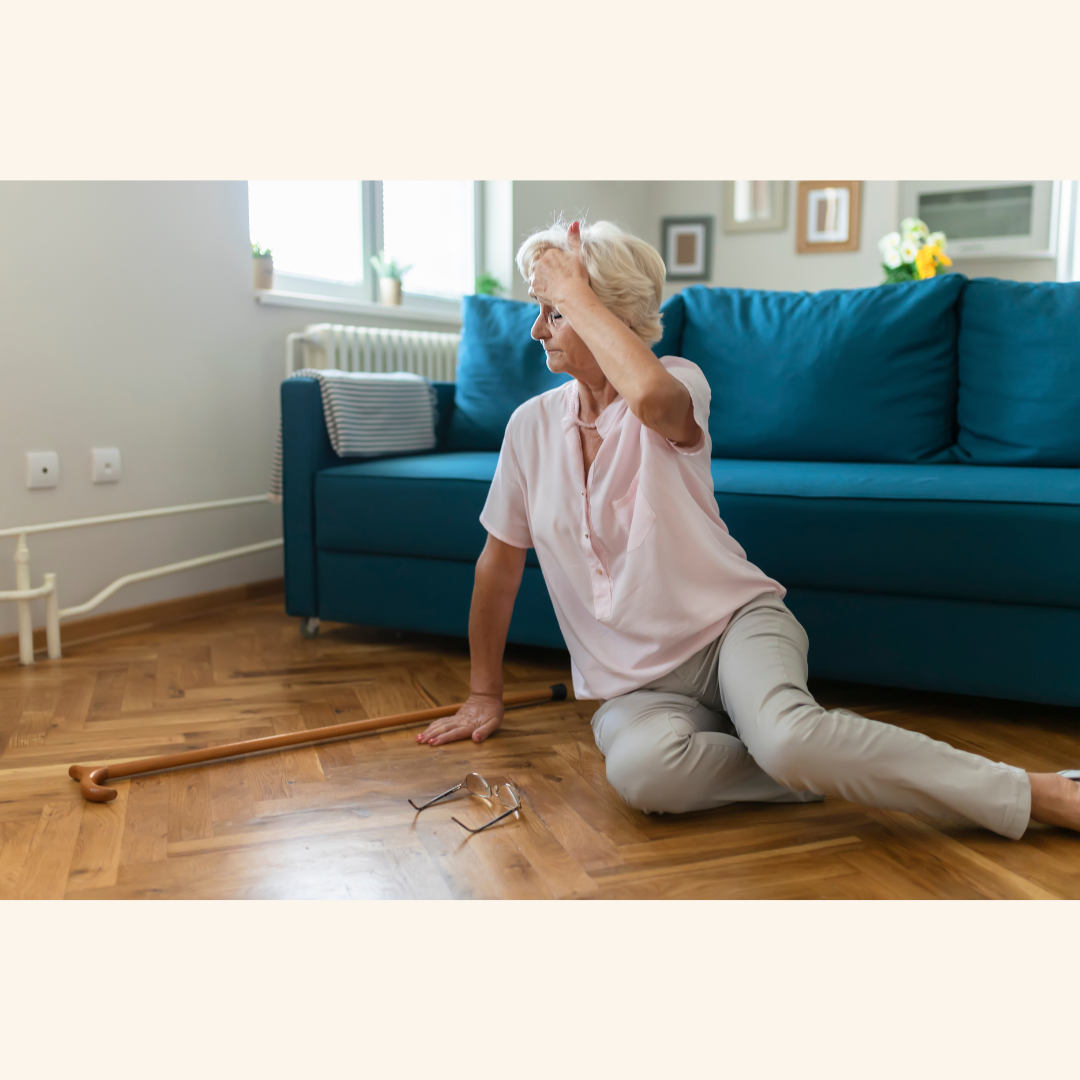
The results were striking. The study found that emotional wellbeing and fear of falling were the strongest predictors of quality of life, even more than movement problems. Next came overall disease stage and how long someone had been receiving treatment. After that, subtle movement patterns picked up by sensors — things like how smoothly someone walks or turns — also proved important. Together, these factors explained about two thirds of the differences in people’s reported quality of life.
To measure movement, the team used two key indicators: “sample entropy” and “maximum jerk”. In plain English, sample entropy measures how predictable your walking pattern is — the higher it is, the more irregular your steps. “Jerk” looks at how suddenly your movement speeds up or slows down. People with more unpredictable steps and sharper movements tended to have a poorer quality of life. These fine details, invisible to the naked eye, show how wearable devices can reveal what routine clinic visits might miss.
When the researchers broke the data into categories, the picture became even clearer. For mobility, fear of falling and walking irregularities were the strongest links, alongside freezing of gait and anxiety. For daily activities, disease stage and balance issues mattered most. And when it came to emotional wellbeing, anxiety and depression were the main factors — though movement irregularities still played a part.
To understand how these factors connect, the researchers created a “network map” showing how different symptoms feed into each other. Quality of life scores were most closely tied to anxiety and fear of falling, which themselves were linked to walking and turning problems detected by sensors. It suggests a chain reaction: movement difficulties increase fear of falling, which then worsens anxiety, which together drag down quality of life.
The study was done at a single centre and only included people tested while their medication was working, so the findings may not apply to everyone. Still, it’s one of the clearest pictures yet of what drives quality of life in Parkinson’s. The message is simple: treat mood and fear of falling as seriously as tremor or stiffness, and use digital tools to catch early changes in movement.
Comments (0)
Loading comments...