


Brain scans reveal how damaged wiring leads to memory and thinking changes in Parkinson's
May 21, 2026
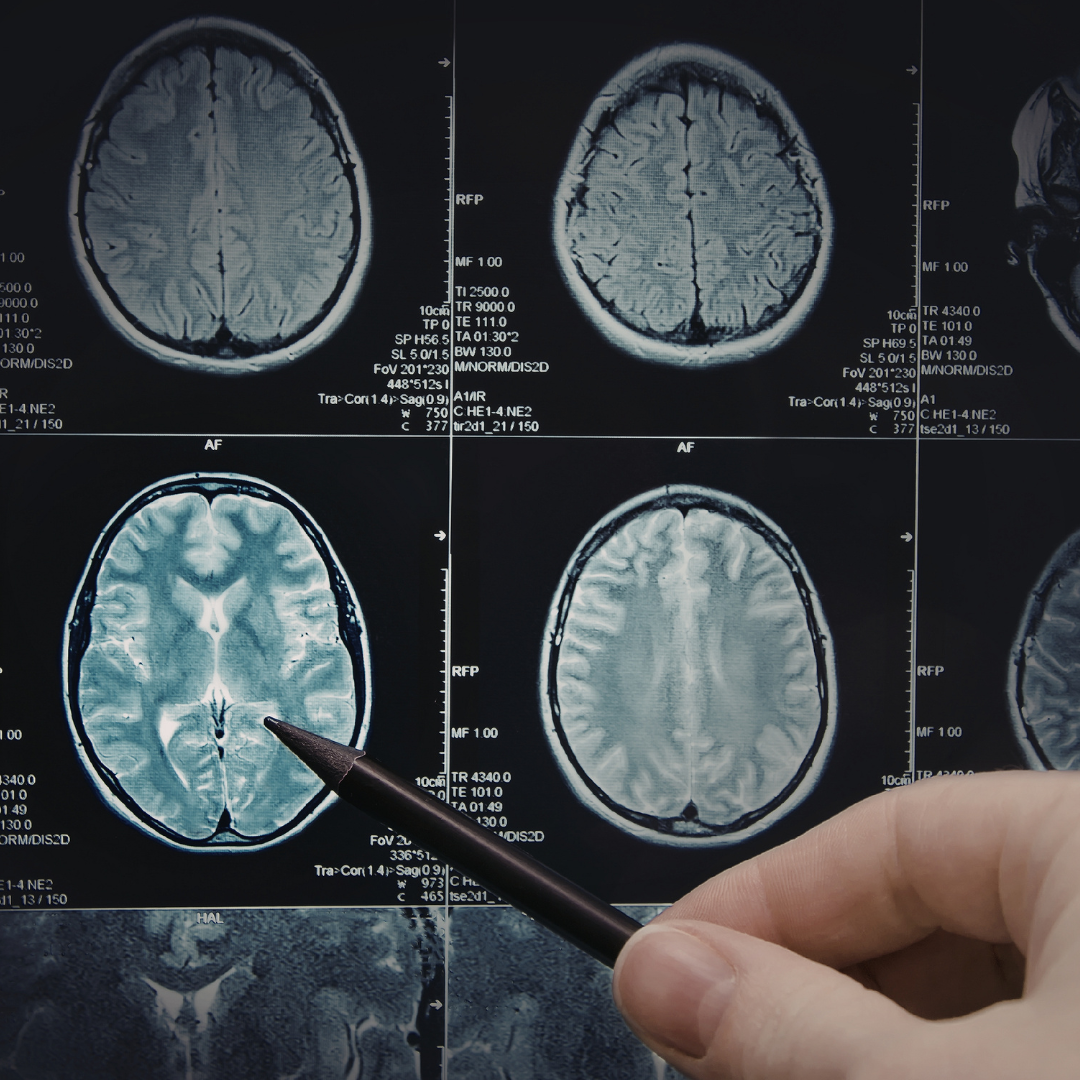
A new study by researchers at VA Ann Arbor has found exactly how changes in the brain's structure lead to difficulties with memory and thinking. Instead of looking only at chemical imbalances, the scientists discovered that physical blocks in the brain's internal wiring play a massive role in these cognitive changes.
The research team looked closely at white matter lesions, which are tiny areas of tissue damage that commonly appear as blood vessels age. Using advanced scanning technology to look at the brains of 127 people with Parkinson's, the team discovered that the exact location of these spots matters much more than how many of them there are.
The study showed that damage is most disruptive when it happens in the periventricular areas, which are the zones right next to the fluid-filled spaces in the middle of the brain. Damage here acts like a roadblock on a main highway, cutting off vital communication lines called cholinergic pathways. These pathways function like major data cables, carrying a key chemical called acetylcholine from the base of the brain to the areas responsible for thinking, concentration, and planning.
When these cables are blocked by damage, the essential signals cannot get through, which leads directly to thinking difficulties. Interestingly, the scans showed that similar spots located further out in the brain tissue did not block these main cables and did not cause the same problems.
This discovery provides a clear, physical explanation for why some people face thinking challenges while others do not. Spotting these specific blockages on routine brain scans could give doctors an accurate tool to predict future memory changes. Because this type of tissue damage is closely linked to blood vessel health, it also gives us a clear goal for treatments. Taking steps early on to look after heart and blood vessel health could keep these vital communication lines clear and protect thinking skills.
Comments (0)
Loading comments...