


How Dance Improves Mood and Brain Health in Parkinson’s Disease
December 17, 2024
Dancing offers more than just physical exercise for people with Parkinson’s disease —it provides measurable benefits for mental health and mood regulation, visible even in brain imaging, according to a new study involving researchers from York University. The research, recently published in the Journal of Medical Internet Research, highlights how dance can reduce depression symptoms while positively influencing brain function.
A Unique Study on Dance and the Brain
“It was very cool to see that dance had a positive effect on the mood circuits in the brain, which we could see in the imaging,” says Joseph DeSouza, Faculty of Health associate professor and co-author of the study. “These improvements, visible on MRI brain scans, were also reported by participants through surveys. Our study is the first to demonstrate these benefits using both detection methods.”
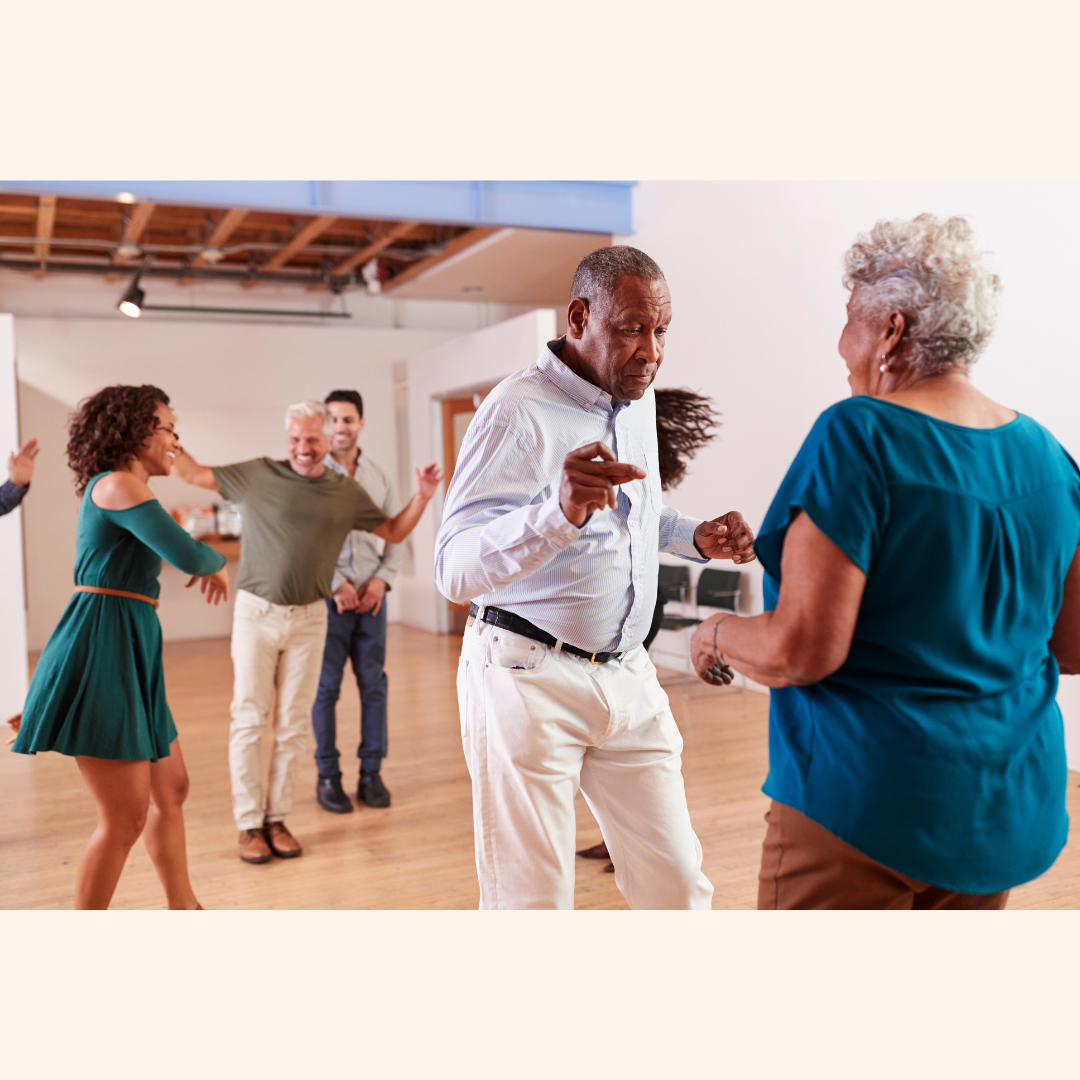
The study followed 23 participants from Canada’s National Ballet School’s Sharing Dance Parkinson’s program, all diagnosed with Parkinson’s, along with 11 healthy controls (mostly family members or caregivers). Participants attended weekly dance classes over eight months, progressing from simple footwork and pliés to interpretive movements, waltzes, and intricate choreography.
Measuring Brain and Mood Changes
Researchers focused on a brain region called the subcallosal cingulate gyrus (SCG), known for its link to depression. Using the Geriatric Depression Scale to assess mood before and after each class, combined with MRI scans conducted at York University, the team observed significant changes over time:
Depression scores dropped consistently after each class, with cumulative improvements after eight months.
MRI scans showed reduced activity in a frontal-cortex brain region involved in emotional regulation.
For a smaller subset of participants, decreased depression scores directly correlated with changes in the SCG’s BOLD (blood oxygen level-dependent) signals.
“We essentially showed that SCG BOLD signals decreased over time while dancing, which means the SCG was not functioning as quickly as it would in someone with depression,” explains Karolina Bearss, former York Ph.D. student and now professor at Algoma University.
Why Dance Works: A Double Benefit
Parkinson’s disease, a progressive neurodegenerative condition, often presents symptoms beyond motor control, including mental health challenges like depression. “People with Parkinson’s disease tend to experience mental, emotional, and social impairments, not just motor symptoms,” says Bearss.
Dance offers a “double benefit,” activating the brain’s reward centers through music while engaging sensory and motor circuits with movement. These combined effects make dance a unique tool for improving quality of life.
Dancing for a Better Life
While dance cannot cure Parkinson’s disease, its benefits are undeniable. DeSouza, who has danced alongside participants for over 14 years, emphasizes its value: “We’re not trying to cure Parkinson’s with dance. What we’re trying to do is help people live a better quality of life. This applies both to those with the disease and to their families and caregivers, who also experience improved well-being.”
This study builds on earlier research by Bearss and DeSouza, which demonstrated how dance improves motor control, mood, and overall daily functioning in people with Parkinson’s.
As depression often appears early in Parkinson’s progression—even before motor symptoms—dance programs like Sharing Dance Parkinson’s offer an accessible and enjoyable way to address both physical and emotional challenges of the disease.
Comments (0)
Loading comments...