


A Gut Bug That Makes Its Own Parkinson’s Medicine
November 3, 2025
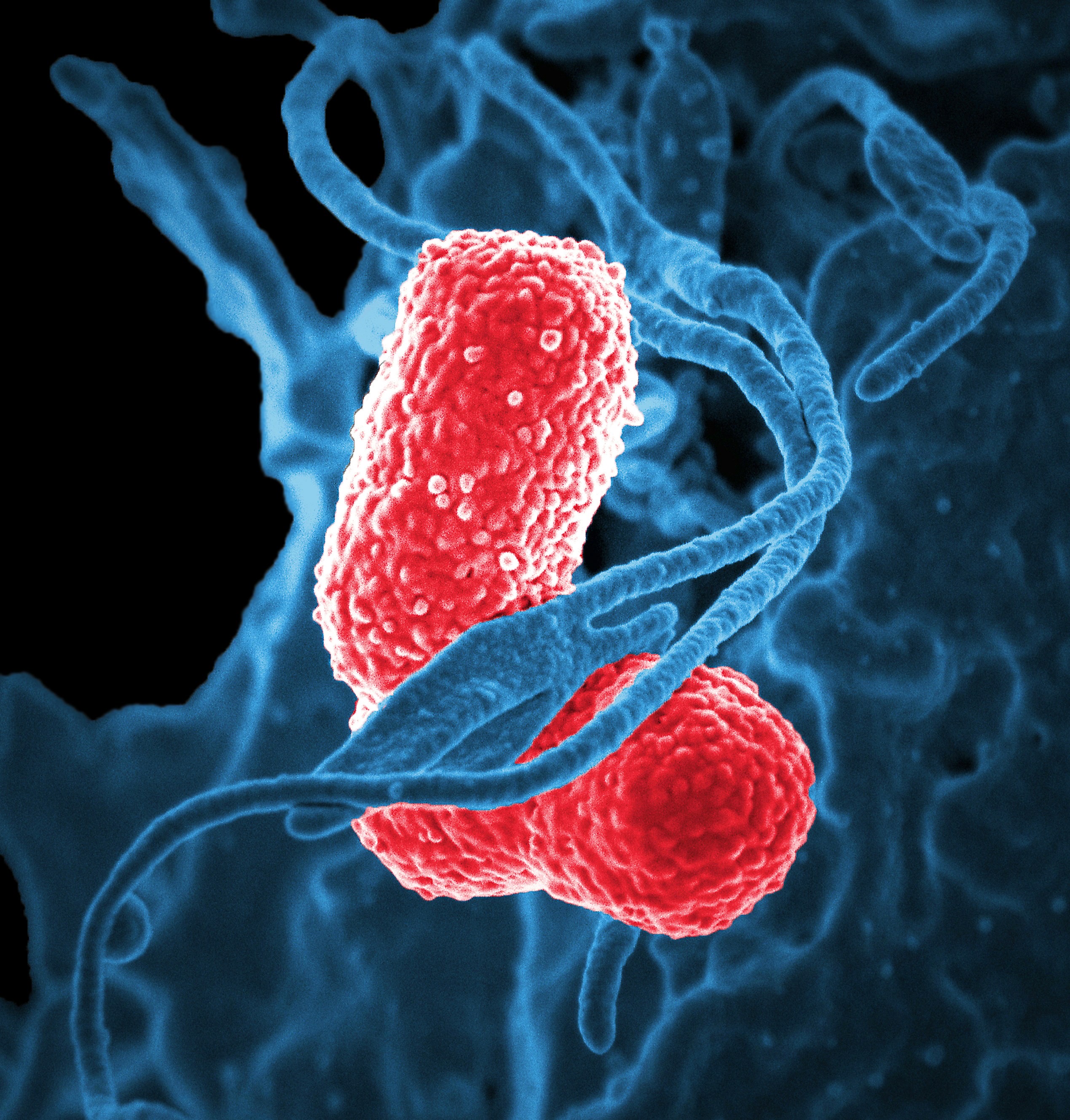
Scientists have found a clever new way to deliver Parkinson’s treatment — by turning gut bacteria into tiny drug factories. Instead of swallowing tablets several times a day, future patients might one day carry a living dose of medicine inside their own digestive system.
For decades, the main treatment for Parkinson’s has been Levodopa, or L-DOPA. It works well, but it’s far from perfect. Once swallowed, the drug takes time to reach the brain and wears off quickly, leaving people caught between “on” and “off” periods. Those ups and downs can make daily life unpredictable, with good hours and bad ones that don’t always follow a clear pattern.
This new approach could change that. Researchers have redesigned a harmless type of gut bacteria so that it produces Levodopa right where it’s needed — in the gut itself. The idea is that the bacteria live quietly in the digestive tract and release a steady flow of the medicine, keeping symptoms more stable throughout the day.
⸻
How it works
The team started with a friendly bacterium that naturally lives in the human gut. They added a few new genetic instructions so that it could turn a common nutrient called tyrosine into Levodopa. Tyrosine is found in many everyday foods, such as eggs, beans, and dairy.
Once the modified bacteria were given to animals, they began producing Levodopa inside the gut. The drug then travelled through the bloodstream to the brain, where it helped restore the dopamine balance that Parkinson’s gradually disrupts. Because the bacteria kept working continuously, the drug levels stayed more even — not the peaks and crashes that come from tablets.
The researchers also built a kind of biological “switch” into the system. This helps control how much Levodopa the bacteria make, avoiding dangerous overdoses or dips. If successful in humans, it could mean treatment that automatically adjusts to the body’s needs, instead of relying on strict pill schedules.
⸻
What the results showed
In animal tests, the bacteria-produced Levodopa improved movement and reduced the signs of Parkinson’s-like symptoms. It seemed to work smoothly and without major side effects. The animals tolerated the treatment well, and the bacteria stayed in the gut without spreading elsewhere.
That said, these results are still early. The next challenge will be seeing if the same success holds true in people. Human guts are more complex, and each person’s microbiome — the community of bacteria that lives inside us — is slightly different. That could affect how well the new microbe survives and how much medicine it makes.
⸻
Why it matters
For people with Parkinson’s, this could mark a completely new way to manage symptoms. Instead of chasing the effects of a pill, the body itself could help maintain steady drug levels. That might reduce motor swings, improve daily comfort, and make life feel less like a cycle of waiting for the next dose.
It also highlights how medicine is moving in new directions — not just new drugs, but new ways to deliver them. The gut has become a major focus for Parkinson’s research, since it’s closely connected to the brain through what scientists call the “gut–brain axis.” This study adds weight to the idea that the gut might one day become part of the cure, not just part of the problem.
⸻
What comes next
This is still years away from becoming a real treatment. Before any human trials begin, researchers need to confirm that the engineered bacteria are completely safe, can be controlled, and won’t disrupt the delicate balance of other microbes in the gut. Regulators will want strong proof that the bacteria can be turned off or removed if needed.
Still, the idea is a fascinating glimpse into the future of medicine — where living organisms might replace pills, and where Parkinson’s care could one day mean nurturing the right gut bacteria instead of watching the clock for the next tablet.
Comments (0)
Loading comments...