


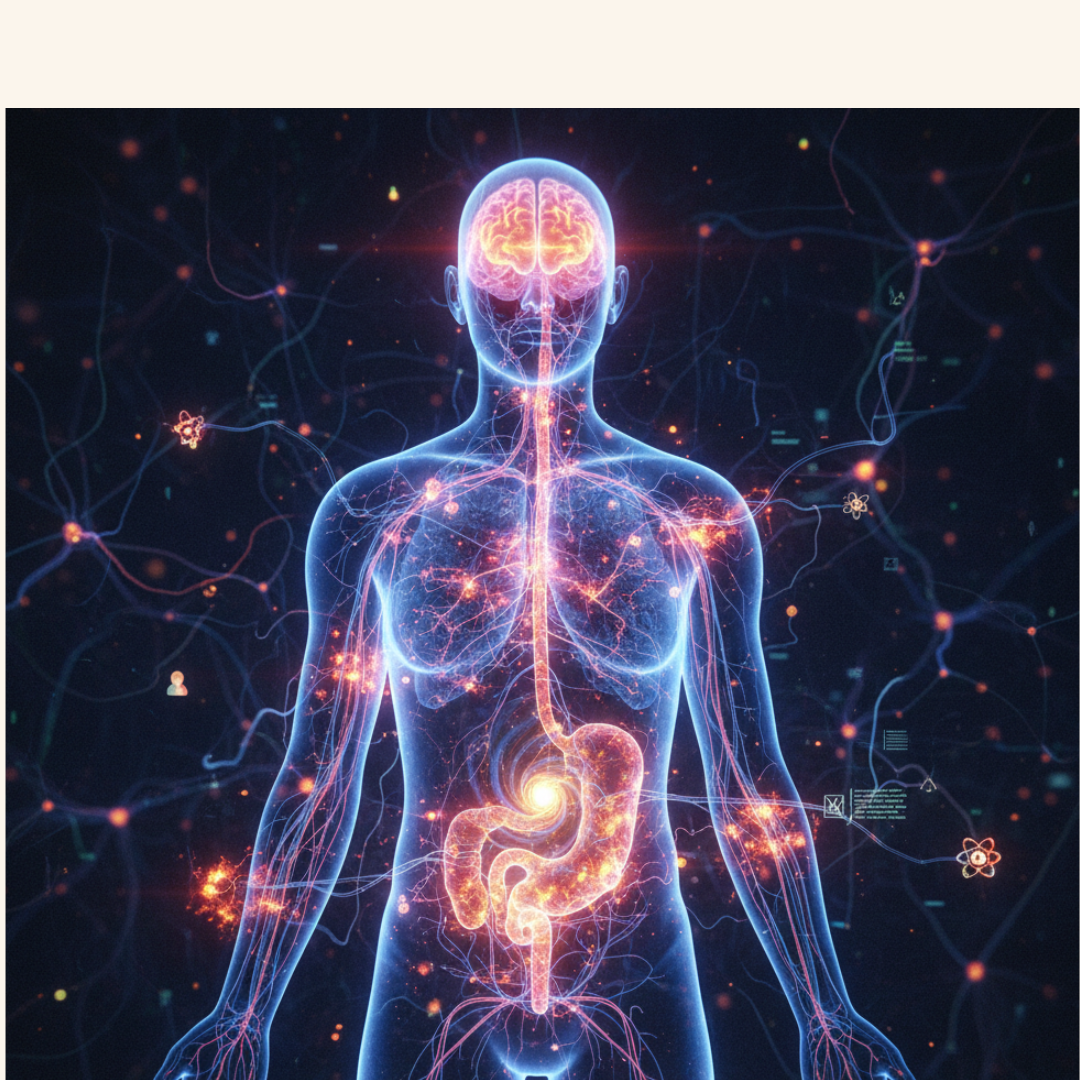
Parkinson’s: A Whole-Body Systemic Condition
February 13, 2026
For a long time, Parkinson’s was viewed strictly as a brain condition. However, a growing body of research—recently highlighted by Frontiers in Neurology—is shifting the focus. Scientists now argue that it is a systemic disorder, meaning it involves the entire body, particularly the peripheral nervous system.
This "whole-body" approach suggests that the changes we see in the brain may actually start or be heavily influenced by what is happening in our gut, skin, muscles, and even our blood.
Beyond the Brain: The Role of the Peripheral System
The peripheral nervous system (PNS) consists of the nerves outside your brain and spinal cord. It controls things like digestion, heart rate, and sensation. Researchers have found that dysfunction in these areas often appears years before the first tremor or walking difficulty.
Key areas of systemic involvement:
The Gut-Brain Axis: The "enteric" nervous system in the gut is a major player. Alpha-synuclein (the protein associated with the condition) may actually start in the gut and travel to the brain via the vagus nerve.
Autonomic Failure: Issues with blood pressure, digestion, and bladder control are not just "side effects"—they are markers of how the condition affects the autonomic nerves.
Skin and Muscles: Changes in skin sensitivity and muscle function are being studied as early indicators of systemic neurodegeneration.
Inflammation: Chronic inflammation in the body (the "peripheral immune system") can send signals to the brain that accelerate the loss of neurons.
Why This Systematic View Matters
Understanding Parkinson’s as a systemic condition changes everything, from how we diagnose it to how we treat it.
Earlier Diagnosis: By looking at peripheral biomarkers—such as protein changes in the skin or gut—doctors might be able to identify the condition much earlier than they can today.
New Treatment Pathways: If the condition involves the whole body, treatments shouldn't just target the brain. Scientists are exploring "peripheral neuroprotection," which means protecting the nerves in the gut and body to slow down the progression in the brain.
Better Symptom Management: Recognising that issues like neuropathy or gastrointestinal problems are part of the systemic nature of the condition allows for more tailored and effective care.
By bridging the gap between the brain and the rest of the body, this research is opening the door to innovative strategies that treat the person as a whole, rather than just focusing on a single area of the brain.
Comments (0)
Loading comments...