


Rapid Release of Dopamine Not Needed for Initiating Movement, Study Reveals
October 17, 2024
A recent study in mice found that the quick release of dopamine—a brain chemical important for movement—isn’t necessary to start moving. Instead, slower dopamine action is what's needed for that. However, fast dopamine bursts are crucial for motivation and reward-seeking behaviors.
These findings help explain why levodopa, a common drug used to treat Parkinson’s disease, improves movement symptoms but doesn't do much for cognitive issues. The study may help create new treatments that can improve both types of dopamine action to address a range of symptoms.
Dopamine is vital for many actions, from moving to learning, but scientists have debated whether it works through quick bursts or slower, more steady actions. This study shows that while starting movement doesn’t need fast dopamine, activities that involve motivation and rewards do.
In this research led by Harvard Medical School, the team used mice with a genetic modification that prevented rapid dopamine release. Surprisingly, these mice could still start moving and do basic tasks despite lacking quick dopamine signals. However, when it came to tasks involving rewards, like licking a water spout for a treat, these mice were less motivated than normal mice.
Dopamine is central to Parkinson’s disease, which involves the gradual loss of dopamine-producing neurons. The study found that levodopa helps with movement but doesn’t restore the fast dopamine action that might help with cognitive issues. Researchers hope these insights will lead to better treatments that enhance both slow and fast dopamine activity, potentially improving the overall quality of life for Parkinson's patients.
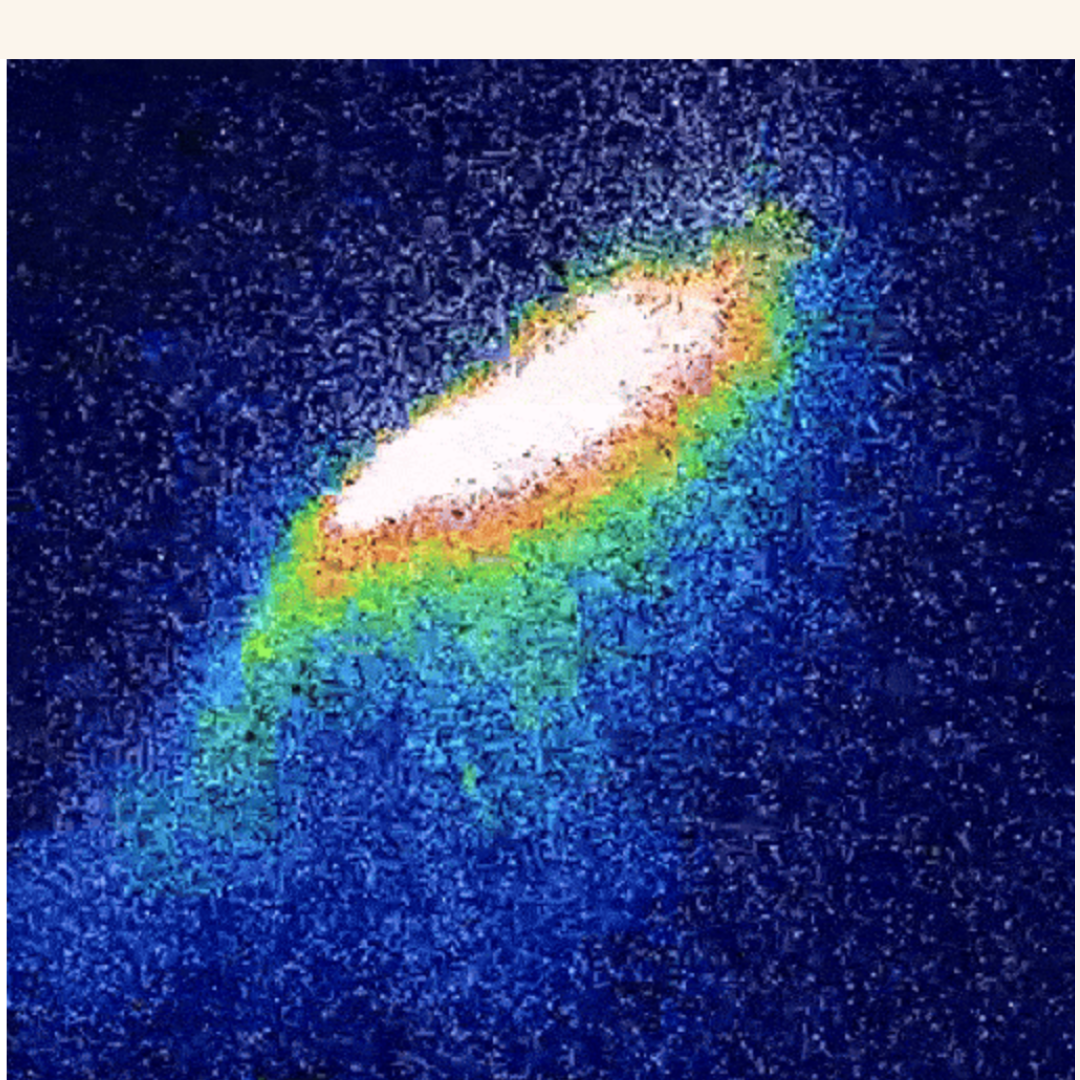
Image: A neuron releasing dopamine. Video: Kaeser Lab
Comments (0)
Loading comments...