


Scientists discover a potential new target for treating Parkinson's disease
February 27, 2025
 LeahJS
Scientists at La Jolla Institute for Immunology have made an important discovery that could lead to new treatments for Parkinson’s disease. Their research suggests that the immune system may mistakenly attack certain brain cells, and a protein called PINK1 could play a role in triggering this response. This may also help explain why Parkinson’s is more common in men.
Normally, PINK1 helps brain cells stay healthy by supporting their energy production. However, the researchers found that in some people with Parkinson’s, immune cells wrongly identify PINK1 as a danger and attack the brain cells that produce it. This immune response may contribute to inflammation and cell damage in the brain.
The study also uncovered a key difference between men and women. Men with Parkinson’s had much higher levels of these attacking immune cells compared to men without Parkinson's, while women with Parkinson’s showed only a small increase. This may help explain why men are nearly twice as likely as women to develop Parkinson’s.
This discovery could lead to earlier diagnosis, as these immune cells may serve as a warning sign for the disease. Scientists are also hopeful that by blocking this immune response, they may be able to develop new treatments to slow or prevent Parkinson’s.
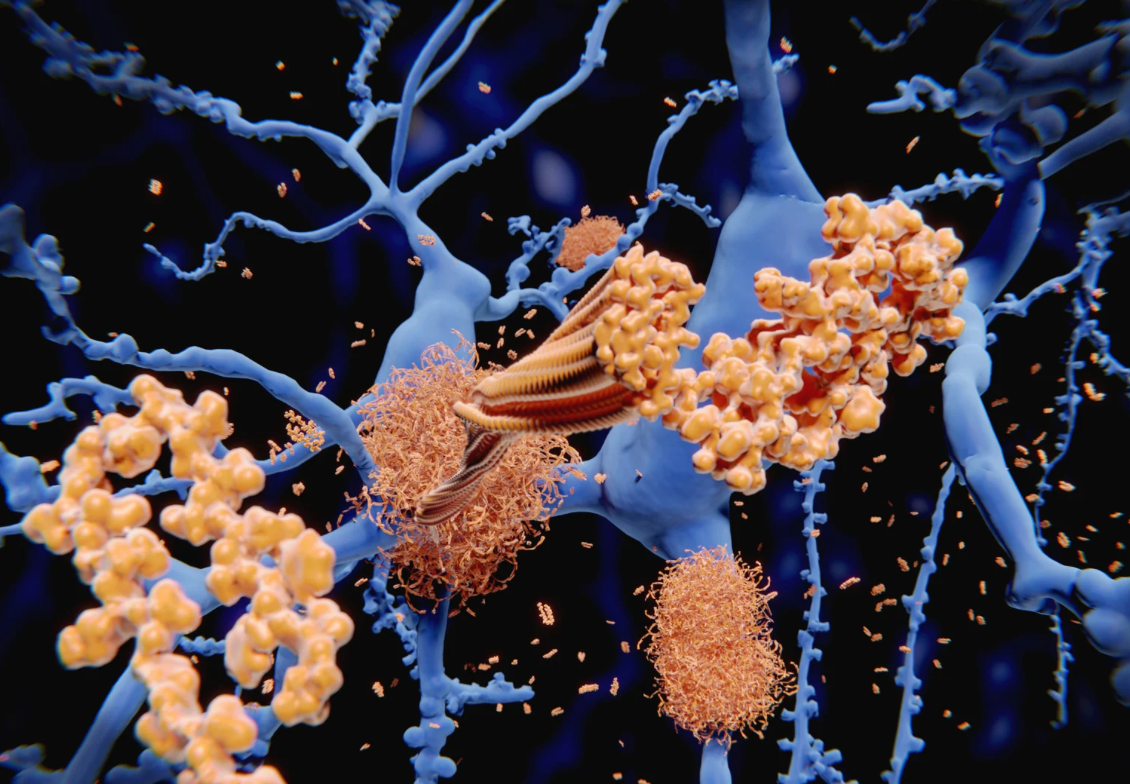
The researchers note that PINK1 is not the only protein involved in the immune system’s response to Parkinson’s. Previous studies have shown that some people with Parkinson’s also have immune cells that target another protein, alpha-synuclein. However, not everyone with Parkinson’s shows the same immune response, so scientists are continuing to investigate other possible triggers.
This research is an important step toward understanding Parkinson’s and finding new ways to support those living with the disease.
Comments (0)
Loading comments...