


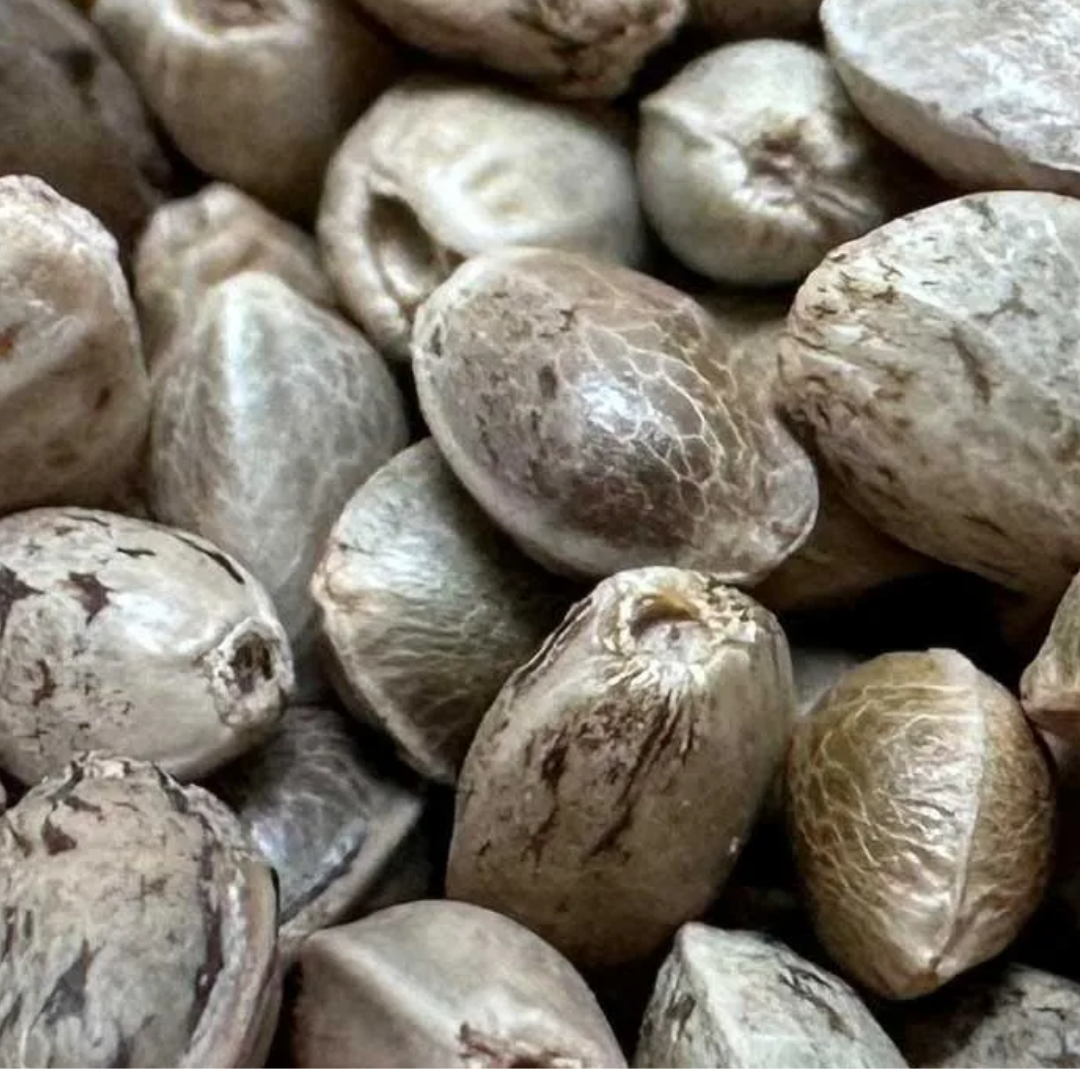
Compounds found in cannabis seeds could help shield nerve cells from the kind of damage linked to Parkinson's
July 19, 2026
A team of scientists from Northeast Agricultural University, Heilongjiang University of Chinese Medicine and Ningxia Medical University recently investigated specific natural compounds found in cannabis seeds called phenylpropionamides. They wanted to see if these compounds could protect brain cells from damage. To find out, they used computer modeling and laboratory tests on human nerve cells that were exposed to a specific toxin known to mimic the cell damage seen in Parkinson's.
The laboratory results showed that these seed compounds effectively reduced programmed cell death, which is a major issue when cells are under stress. At the same time, the compounds boosted the health of the mitochondria, which act as the tiny powerhouses providing energy to our cells.
A key discovery in the study was that the compounds triggered a vital cellular cleanup process known as autophagy. Cells naturally use autophagy to clear out damaged proteins and unwanted cellular waste, effectively keeping the cell healthy and functioning properly. The research demonstrated that the cannabis seed compounds successfully regulated a specific chemical pathway in the cell involving three key proteins called AMPK, mTOR and ULK1. By increasing the helpful proteins and lowering the harmful ones, the compounds managed to turn on this internal cleanup system.
The computer models also pinpointed one specific compound in the seeds called Cannabisin I. This compound showed a strong ability to interact directly with the proteins that control both cell death and the cleanup process, offering a clear clue as to how the protection works.
While these early laboratory results are a promising step forward in understanding how certain natural elements can protect nerve cells, the study was conducted entirely in cell cultures rather than in humans or animals. This means further extensive laboratory research and clinical trials are necessary before scientists can determine whether these seed compounds can be developed into a safe and effective treatment for people living with Parkinson's.
Comments (0)
Loading comments...