


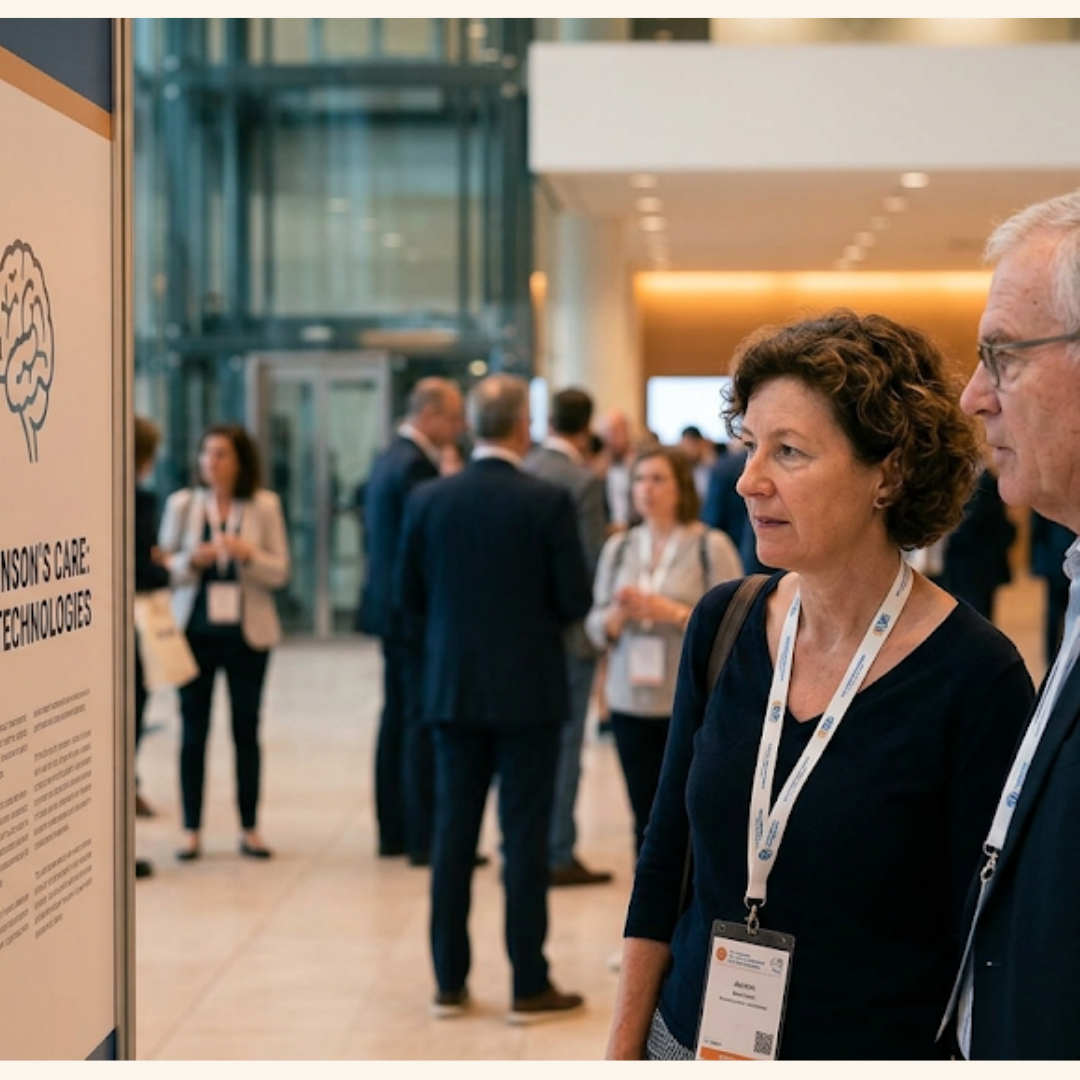
European neurology congress highlights artificial intelligence and new continuous infusion therapies as the future of Parkinson's care
July 13, 2026
 Beatrice
The 12th European Academy of Neurology Congress recently wrapped up in Geneva, Switzerland, drawing over 9700 experts from 124 countries to share the latest breakthroughs in brain health. With a central theme focused on how technology and computing are reshaping medical care, the conference put a massive spotlight on Parkinson's, presenting exciting updates ranging from smart computer algorithms to advanced, wearable treatment delivery systems.
One of the biggest talking points at the event was the rapidly expanding role of artificial intelligence in managing the condition daily. Researchers demonstrated how new AI systems can analyse data from wearable sensors and smartphones to track subtle movement changes, tremors, and walking patterns in real time. Instead of relying solely on quick checkups in a clinic, these smart tools allow doctors to see exactly how a person is managing at home. This continuous monitoring helps medical teams catch changes early and fine tune treatment plans with incredible precision.
The conference also focused heavily on the next generation of device-aided therapies designed to overcome the classic limits of standard oral medications. For many people, traditional tablets can become less reliable over time, leading to unpredictable "off" periods when movement becomes difficult. To solve this, experts showcased the latest clinical updates on subcutaneous infusions, which deliver medication continuously via a small pump just beneath the skin. This approach ensures a steady, constant level of medication in the body, significantly reducing sudden symptom fluctuations and providing much smoother, more predictable control throughout the day and night.
In addition to high tech hardware, the congress hosted deep dive workshops exploring the long term potential of brain stimulation techniques and emerging therapies targeting the biological roots of the condition. From tools that help predict condition progression to systems that customise daily care, the Geneva event made it clear that the future of Parkinson's management lies in blending advanced medical technology with personalised, continuous care.
Comments (0)
Loading comments...