


Fighting Parkinson’s, One Class at a Time: Phil Churchill’s Martial Arts Journey
August 22, 2025
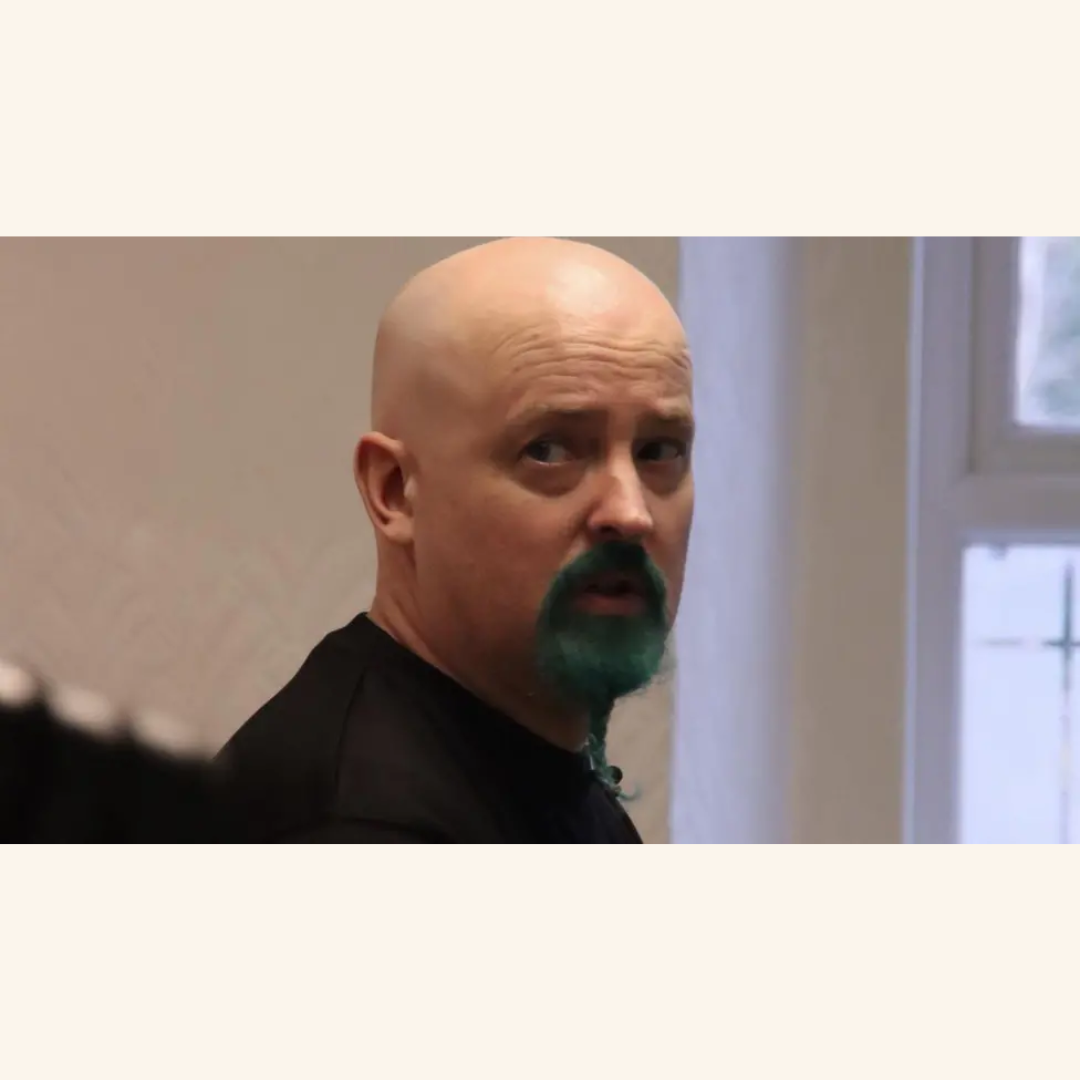
When Phil Churchill teaches martial arts, everything else fades into the background. The shakes, the stiffness, the brain fog—none of it matters when he's moving, demonstrating, guiding others. At 49, Churchill runs 16 martial arts classes a week in Somerset, helping hundreds of students hone their skills. But behind his calm discipline is a daily fight with Parkinson’s Disease.
Diagnosed at just 40, Phil’s journey with Parkinson’s began years before doctors would confirm it. The slow onset of symptoms—trouble with balance, coordination issues, unexplained pain—were initially dismissed because of his age. “They thought I was too young to have Parkinson’s,” he said. It took more than two years and eventually a brain scan to get the answer.
Phil experiences dizzy spells that feel like he's drunk, even without visible shaking. Some days, it’s neck spasms that jolt his head and leave him with instant headaches. “It's like the disease reminding me it's still there,” he said.
Despite the challenges, Phil hasn’t stepped back. Instead, he leans into his martial arts practice, which he began seriously pursuing years before his diagnosis. “I always feel better when I’m teaching,” he said. “It keeps my mind focused and not on whatever today’s issue is.” Teaching has become a kind of therapy—keeping his body active and his mind sharp.
His story struck a chord with his son, Ali, a filmmaking student at the University of Gloucestershire. Wanting to capture how martial arts helps his father cope, Ali spent several weeks filming Phil for a documentary. For him, the story goes beyond Parkinson’s. “People use martial arts for all sorts of things,” Ali said. “It's just as much a story of martial arts as it is about Parkinson’s.”
Phil's experience is a powerful example of how staying active can help people with Parkinson’s manage their symptoms. According to Anna Castiaux, physical activity programme lead at Parkinson’s UK, exercise can be as vital as medication. “Just two and a half hours a week can have a real impact—physically, mentally, and socially,” she said. Martial arts, in particular, is great for improving balance, posture, and stability.
Phil knows the disease isn’t going away. “I know that it’s incurable, it’s not stoppable, we can’t even slow it down,” he said. “But the one thing I know is tomorrow I will be worse than today.” Still, every day he shows up on the mat. Teaching, moving, and fighting back—his way.
Photo: BBC
Comments (0)
Loading comments...