


Pioneering Stem Cell Implants Aim to Restore Dopamine Production
February 23, 2026
In a major leap forward for regenerative medicine, surgeons at Keck Medicine of USC have begun implanting specially engineered stem cells into the brains of people living with Parkinson’s. This groundbreaking clinical trial aims to address the root cause of the condition by replacing the very cells that have been lost over time. By jump-starting the brain's ability to produce its own dopamine, researchers hope to move beyond simply managing symptoms and instead offer a way to restore physical movement and slow the progression of the condition.
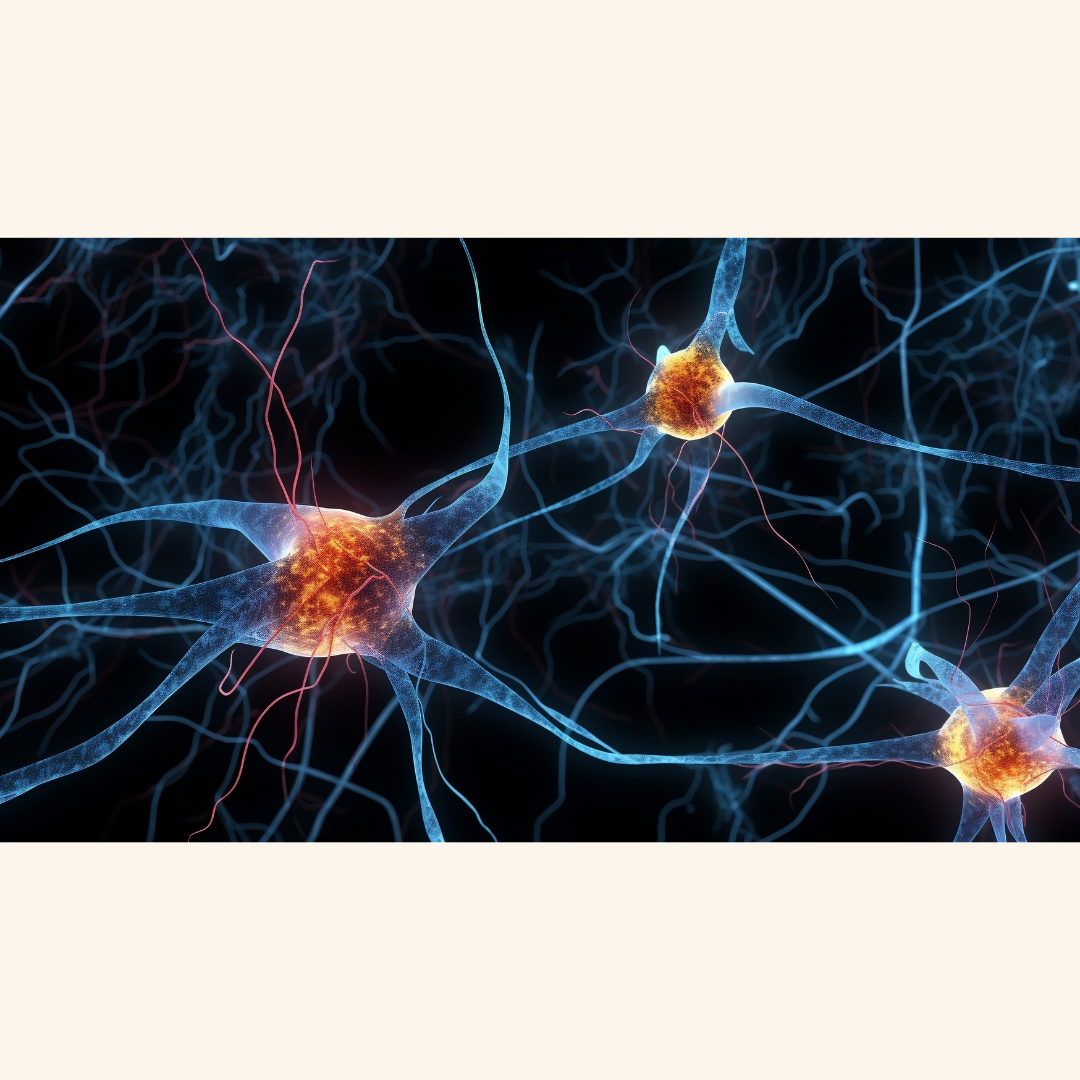
The hallmark signs of Parkinson’s—the tremors, stiffness, and slowed motion—occur because the brain loses the ability to produce dopamine, a vital chemical messenger that regulates movement. While existing medications can provide temporary relief by supplementing dopamine levels, their effectiveness often fluctuates. This new approach, known as the Phase 1 REPLACE™ trial, uses "induced pluripotent stem cells." These are adult cells that have been cleverly reprogrammed in a lab to become dopamine-producing neurons, offering a tailor-made solution for repair within the brain.
The surgical procedure itself is a marvel of modern technology. Using real-time MRI guidance, neurosurgeons create a small opening in the skull to precisely deliver the lab-grown cells into the basal ganglia, the region of the brain responsible for coordinating movement. Once implanted, these new cells are expected to integrate into the existing brain tissue and begin their work. Participants in the study are closely monitored for over a year to ensure safety and to track any improvements in their motor function, with long-term follow-ups planned for up to five years.
One of the most encouraging aspects of this research is that it represents a shift toward truly restorative care. If these cells can successfully mature and function as intended, it could fundamentally change the outlook for people living with the condition. The study is currently taking place at three sites across the United States and has been granted "fast-track" designation by the FDA, a move intended to speed up the development and review process for treatments that show significant potential.
For those interested in following the progress of this research or potentially participating, recruitment for these clinical trials is still ongoing. The study is actively seeking individuals with moderate to moderate-severe symptoms to help determine the safety and effectiveness of this new therapy. You can find more detailed information about the eligibility criteria and how to get involved by visiting the official clinical trials registry at clinicaltrials.gov and searching for the study identifier NCT06687837. This ongoing work offers a bright beacon of hope for a future where the brain's internal machinery can be repaired and renewed.
Comments (0)
Loading comments...