


Two Different Brain Changes Found in Early Parkinson’s: What It Means for You
April 28, 2025
Why Do People Experience Parkinson’s So Differently?
Some people’s symptoms get worse quickly, while others stay fairly stable for years. Scientists have been trying to figure out why — and a new study has just given us some important clues.
What the Scientists Did
Researchers used detailed brain scans (special types of MRI) to look at the brains of people who had just been diagnosed with Parkinson’s. They compared these scans to people without Parkinson’s to spot any differences.
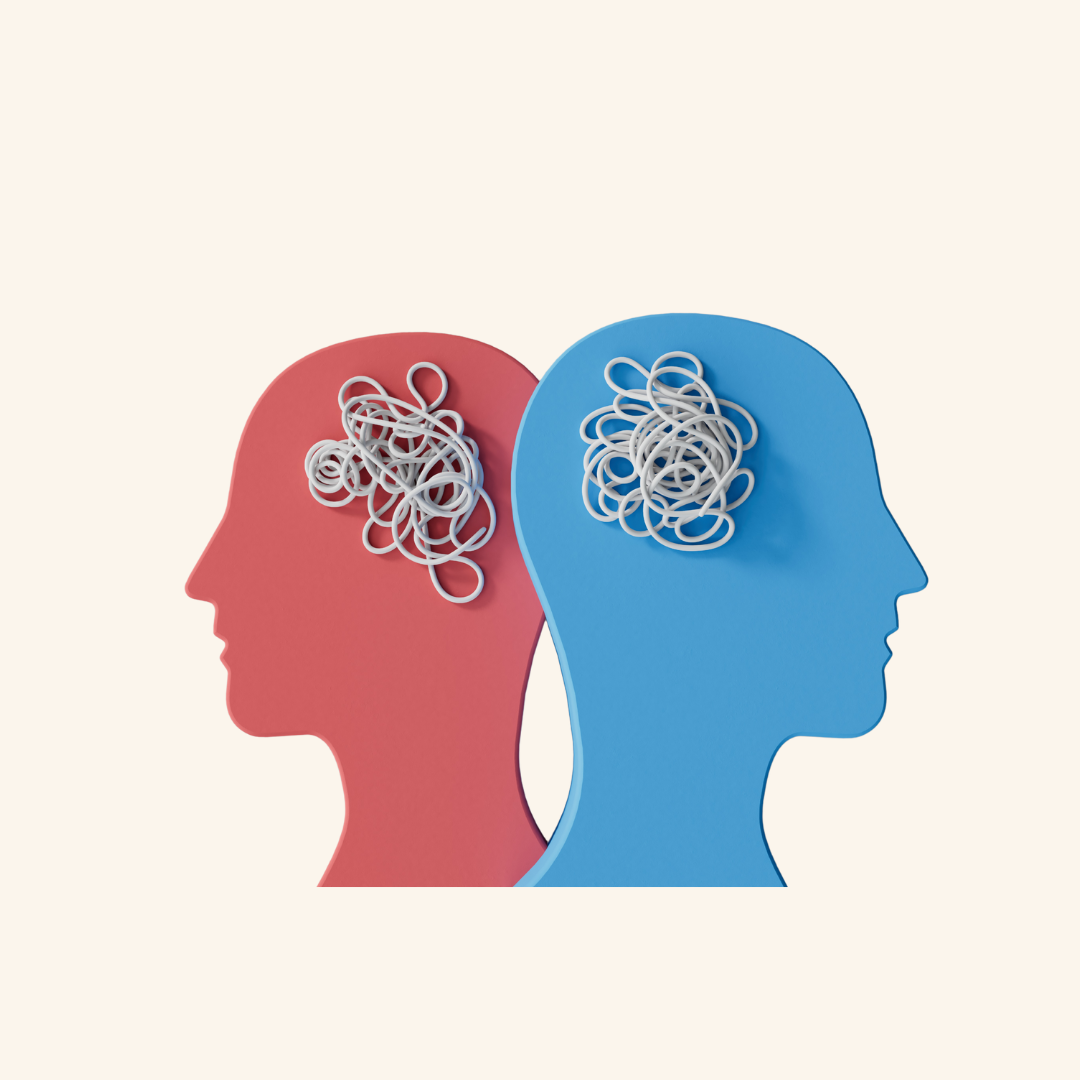
What they found is really interesting: there are two very different ways Parkinson’s can affect the brain early on.
The Two Types of Brain Changes
🔹 Early-Deterioration Group
- Parts of the brain involved in thinking, memory, and emotions (the frontal and temporal lobes) were already shrinking.
- The "wires" of the brain (called white matter) were damaged.
- Extra iron was building up in deep brain areas, which can make things worse.
- People in this group already had more serious symptoms early on, and memory issues seemed to get worse faster.
🔹 Early-Compensatory Group
- Their brain scans showed just tiny bits of shrinkage in the thinking areas, and surprisingly, some areas were thicker than usual — almost like the brain was fighting back.
- Their brain “wiring” was still mostly healthy.
- No abnormal iron buildup.
- They had fewer symptoms at first, but later their symptoms started picking up speed.
Why This Matters for You
Knowing which type of brain change someone has could make a huge difference. Doctors could use brain scans early on to:
- Predict how quickly someone’s Parkinson’s might get worse
- Adjust treatments and therapies to better fit the person’s needs
- Find ways to protect the brain before too much damage happens
Right now, Parkinson’s is often treated the same way for everyone. But this study shows one-size-fits-all doesn’t work — and that personalising care based on what’s happening in the brain could really improve lives.
In Short:
Some people's brains show damage early on and others seem to fight it for a while — but in both cases, spotting the changes early could give people a better shot at managing the disease well.
Comments (0)
Loading comments...