


Clinical trial shows daily oral medication SNT 4728 calms brain inflammation linked to Parkinson's progression
October 14, 2026
 Beatrice
Researchers led by Professor Simon Lewis at Macquarie University have shared encouraging early findings from a Phase 2 clinical trial exploring a fresh strategy to tackle Parkinson's well before its usual physical signs emerge.
The investigation focused on an experimental daily pill known as SNT 4728, tested in forty-one people living with isolated REM Sleep Behaviour Disorder. This specific sleep condition causes individuals to physically act out their dreams, often with vigorous arm or leg movements, and scientists recognize it as one of the clearest early indicators that Parkinson's may develop years down the track.
The trial aimed to see whether calming down inflammation inside the brain could help protect delicate neural networks. In healthy tissue, immune cells protect against damage, but when they become chronically overactive, they generate persistent swelling that harms surrounding cells. SNT 4728 works as a targeted anti-inflammatory by blocking two specific enzymes, SSAO and MAO B, which team up to fuel that smouldering irritation.
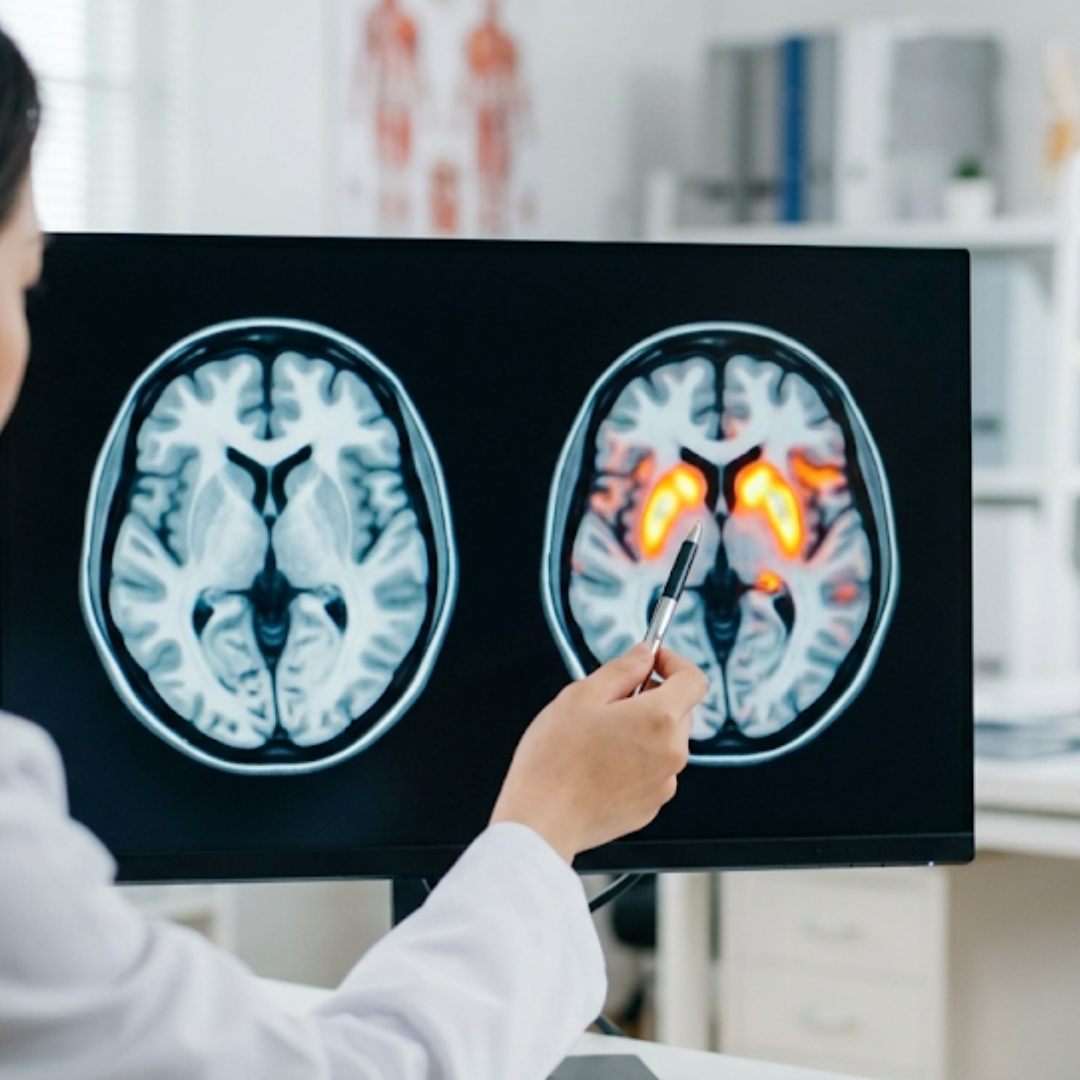
To measure what was happening deep within the head, researchers used specialized PET scans tracking a protein that spikes whenever brain immune cells become agitated. After twelve weeks of treatment, twenty out of the thirty participants who took the active drug showed a measurable drop in inflammation markers.
Crucially, this cooling effect appeared in the putamen, a key control centre responsible for smooth muscle coordination, balance, and rhythm. Because it typically takes a decade or longer for sleep symptoms to evolve into noticeable changes in movement, detecting such a visible biological shift after merely three months is an impressive milestone.
While current therapies do a remarkable job of topping up dopamine and managing everyday symptoms, nothing on the pharmacy shelf today can actually slow down or halt the underlying changes in the brain. If larger and longer trials confirm that easing inflammation early can preserve vulnerable cells, it could open the door to treating Parkinson's years before movement difficulties ever begin.
Comments (0)
Loading comments...