


The Parkinson’s Plan: Fighting Back Against the Fastest-Growing Brain Disease
August 26, 2025
 mister green
Speakers:
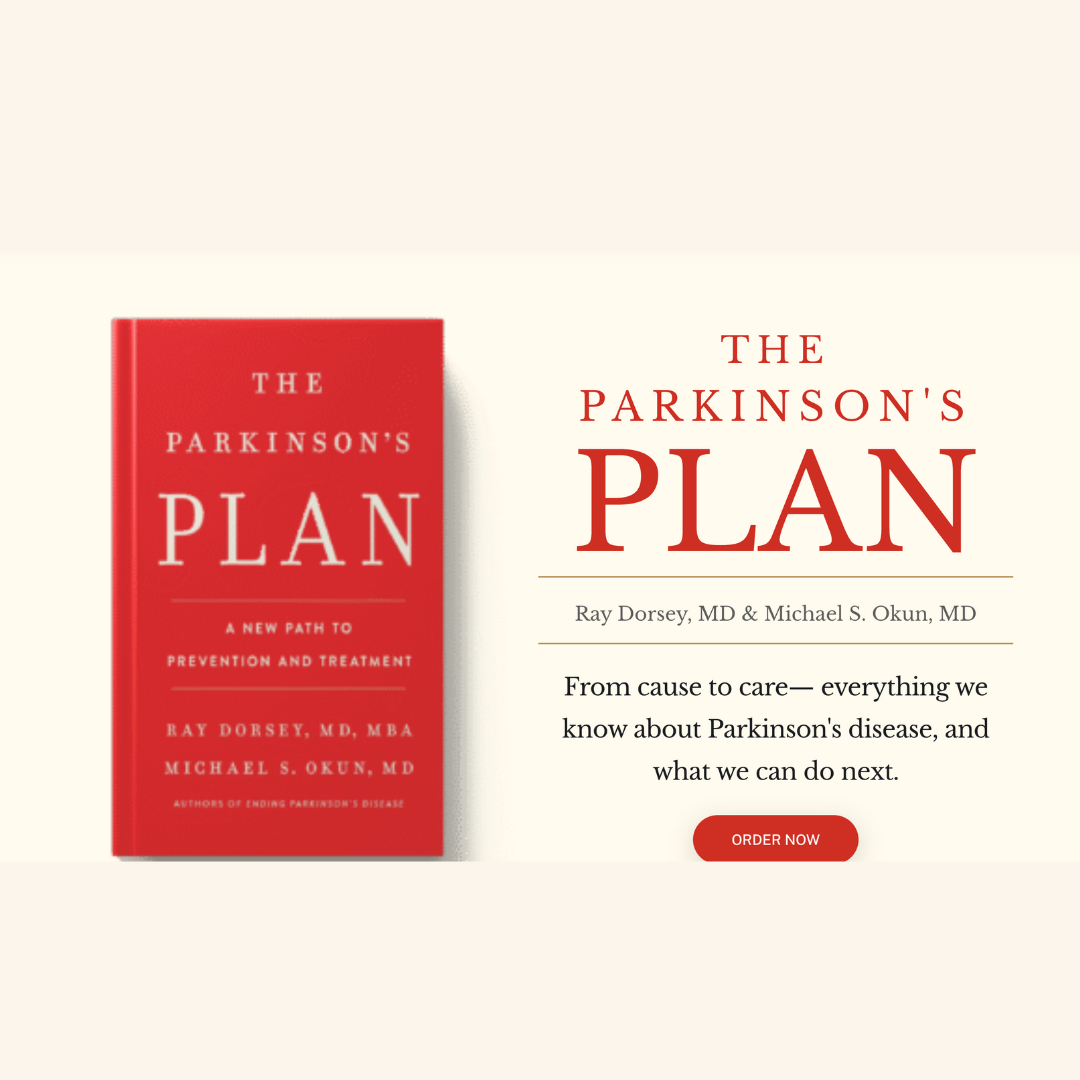
Co-authors of the new book, The Parkinson’s Plan: A New Path to Prevention and Treatment, Dr. Michael S. Okun and Dr. Ray Dorsey.
Parkinson’s disease isn’t just on the rise — it’s accelerating. In 1990, around 2.6 million people worldwide were living with the condition. Fast forward to 2025, and that number has soared to 11.8 million. That’s nearly a fourfold increase in just three decades, and, as neurologists Dr Ray Dorsey and Dr Michael Okun emphasise, this surge is not simply the “natural” result of people living longer. It’s largely being driven by environmental factors — many of which we can control.
Their new book, The Parkinson’s Plan: A New Path to Prevention and Treatment, is both a wake-up call and a roadmap for action. It’s written for everyone: people with Parkinson’s, their families, and anyone who wants to reduce their future risk.
Why Parkinson’s Is Rising So Fast
One of the strongest messages from the book — and from the discussion with the Parkinson’s Foundation — is that this isn’t inevitable. Parkinson’s isn’t simply a disease of old age; it’s increasingly linked to toxic chemicals in our environment.
The evidence connecting certain pesticides to Parkinson’s is overwhelming. Dr Dorsey highlights decades of research showing that exposure to chemicals like paraquat and trichloroethylene (TCE) dramatically increases the risk of developing the disease:
Farmers exposed to paraquat have a 150% higher risk of Parkinson’s.
Simply living near fields where paraquat is sprayed can double your risk.
Studies in Canada, France, and Israel show a direct correlation: the more pesticides used in an area, the higher the Parkinson’s rates.
In one high-profile example, Marines stationed at Camp Lejeune, where the water was contaminated with TCE, were found to have a 70% increased risk decades later.
“These are not harmless exposures,” Dr Okun warns. “Some of these chemicals were designed to damage the nervous systems of insects — and they appear to damage ours too.”
Genes Load the Gun, the Environment Pulls the Trigger
Around 12% of people with Parkinson’s carry a known genetic risk factor, like mutations in GBA1 or LRRK2. But that also means 88% don’t. And even for those with genetic risks, environment matters.
For example, someone with a GBA1 mutation might have a moderately increased baseline risk. But add pesticide exposure, and that risk skyrockets. Conversely, avoiding certain environmental triggers may prevent the disease from ever manifesting, even if you carry a mutation.
This interplay of genetics and environment is central to the book’s message: most cases of Parkinson’s are preventable if we tackle environmental drivers.
The Parkinson’s 25: Taking Back Control
The book offers 25 practical, science-backed steps to lower your risk or slow progression if you already have the disease. While we won’t give away the full list here, the authors shared some favourites:
Filter your water: Chemicals like TCE can lurk in groundwater, especially near golf courses, industrial sites, and dry cleaners.
Wash your fruit and vegetables thoroughly: Pesticide residues are everywhere — even on “healthy” foods.
Reconsider your wine: Many wines, particularly from regions with heavy pesticide use, test positive for residues. Organic or Italian wines may be safer options.
Prioritise sleep: Quality sleep clears toxins from the brain through the glymphatic system, reducing potential damage.
Move your body: Regular exercise isn’t optional; it’s one of the most effective ways to slow Parkinson’s progression and support brain health.
The authors stress that these tips aren’t just for prevention — they also matter after diagnosis. If ongoing exposure to harmful chemicals contributes to disease progression, reducing that exposure could slow things down.
Personal Stories That Matter
Beyond the data, The Parkinson’s Plan is rich with personal stories. The authors spent years touring communities, visiting toxic sites, and listening to people living with Parkinson’s and their families.
One father described how his teenage daughter developed a rare, chemically linked tumour and tragically died before finishing school. Former NBA player Brian Grant was exposed to TCE-contaminated water at age three — and diagnosed with Parkinson’s in his thirties.
“These stories connect the dots,” Dr Dorsey says. “When you hear enough of them, the pattern becomes impossible to ignore.”
A Call for Change
While personal action matters, systemic change is urgent. The authors advocate for:
Banning paraquat (already outlawed in over 50 countries, including China).
Stopping pesticide spraying on schoolyards, playgrounds, and other public spaces.
Passing the Healthy Brains Act, which funds research into environmental causes of neurological diseases.
Building better care models, where patients are at the centre of coordinated teams, rather than left to navigate a fragmented system.
“We’ve done it for HIV and cancer,” says Dr Okun. “We can — and must — do it for Parkinson’s.”
Looking Ahead: Hope on the Horizon
Despite the grim statistics, there’s a lot of hope. Emerging therapies like gene editing, targeted regenerative medicine, nanotechnology-based drug delivery, and innovative devices are all advancing rapidly.
The authors are optimistic that with the right policies, early prevention, and scientific breakthroughs, we can dramatically reduce the future burden of Parkinson’s.
The Bottom Line
Parkinson’s is now the fastest-growing neurological condition in the world — but much of this rise is preventable. The Parkinson’s Plan is both a warning and a blueprint: clean up our environment, take personal action, and demand systemic change.
As Dr Dorsey puts it:
“Let our generation be the last that bears the burden of this disease.”
For more information — including the full Parkinson’s 25 — visit pdpl.org
or grab a copy of The Parkinson’s Plan at your local bookstore.
Comments (0)
Loading comments...