


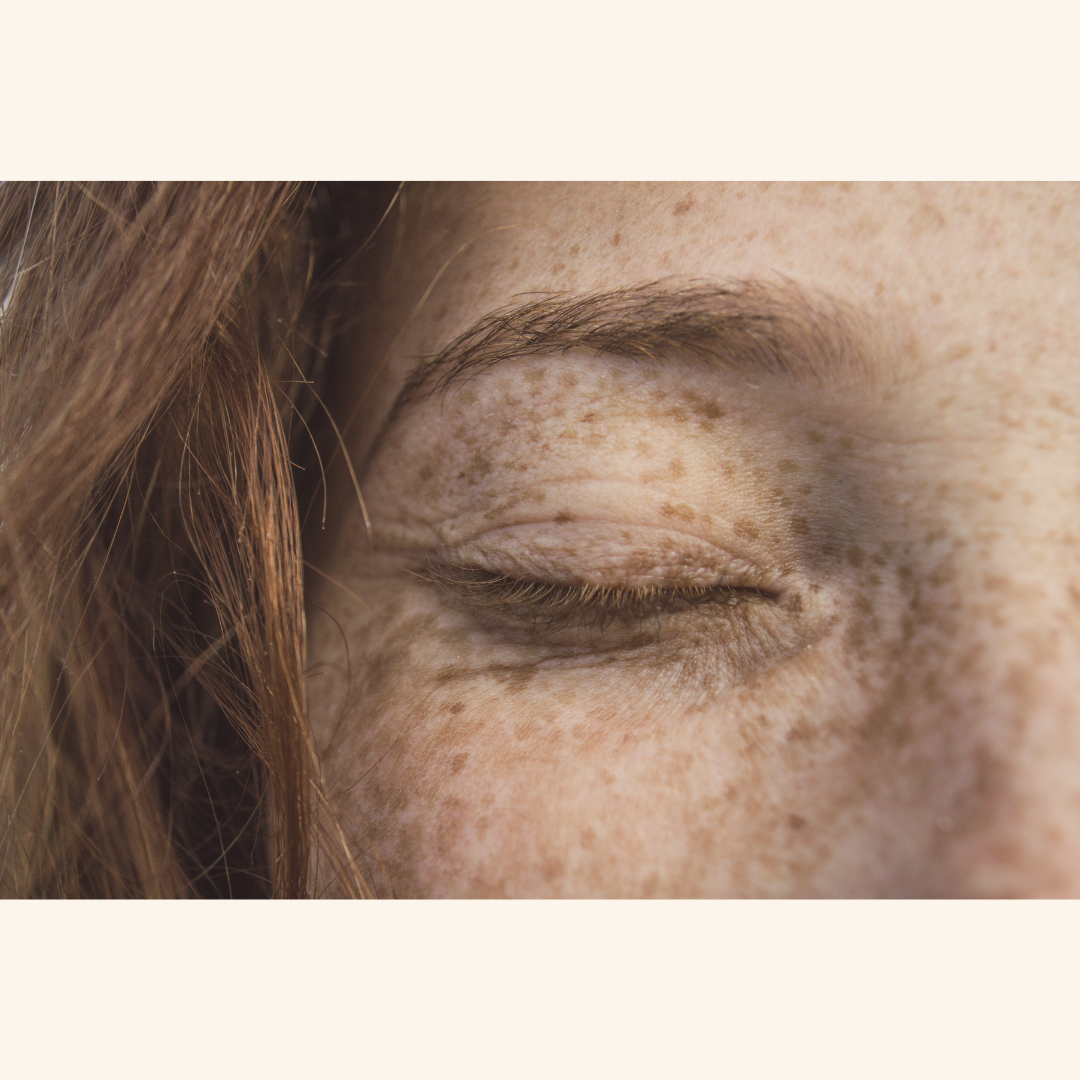
Parkinson’s and the Skin: What Your Skin Might Be Telling You
August 29, 2025
In August 2025, PMD Alliance hosted a fascinating webinar with Dr. Joseph Jankovic, one of the world’s leading experts on movement disorders. While most of us think of Parkinson’s disease as a condition that mainly affects movement, Dr. Jankovic reminded us that it can also show up in surprising places—like your skin.
He explained that the skin isn’t just along for the ride—it can be a window into Parkinson’s. From early signs of the disease to side effects of medication, your skin may be giving you important clues. Dr. Jankovic divided skin-related issues into two categories: those caused by the disease itself, and those triggered by its treatments.
Here’s what stood out from the talk:
1. A Strong Link to Melanoma
People with Parkinson’s have a 2–3 times higher risk of developing melanoma, a serious form of skin cancer. Importantly, this is not caused by Parkinson’s medication like levodopa. It’s essential for everyone with Parkinson’s to schedule regular, full-body skin checks with a dermatologist.
2. Common Skin Changes
One of the most frequent skin complaints in Parkinson’s is seborrheic dermatitis—a flaky, red rash that shows up around the eyebrows, nose, and scalp. It can even appear before motor symptoms start. Many people also experience oily skin, especially on the forehead.
3. Skin Side Effects from Parkinson’s Treatments
Some medications can cause visible changes. For example, infusion pumps like Duopa™, subcutaneous levodopa, or apomorphine often lead to redness, swelling, or hard lumps at the infusion site. Amantadine, another commonly used drug, can cause a purplish, mottled pattern on the skin known as livedo reticularis.
4. The Skin as a Diagnostic Tool
Here’s the really groundbreaking part: a simple skin punch biopsy can now be used to detect abnormal alpha-synuclein proteins, the hallmark of Parkinson’s, Lewy body dementia, and multiple system atrophy. One such test, called SYN-One, can confirm a diagnosis with very high accuracy—and help distinguish Parkinson’s from conditions like progressive supranuclear palsy or Alzheimer’s disease.
Editor’s note: While the skin biopsy test is very accurate, 100% confirmation of Parkinson’s still requires post-mortem examination of brain tissue.
The Bottom Line
This webinar was a powerful reminder that Parkinson’s affects the whole body, not just movement. By paying closer attention to what’s happening on the surface, we may improve how Parkinson’s is diagnosed, monitored, and managed.
Comments (0)
Loading comments...