


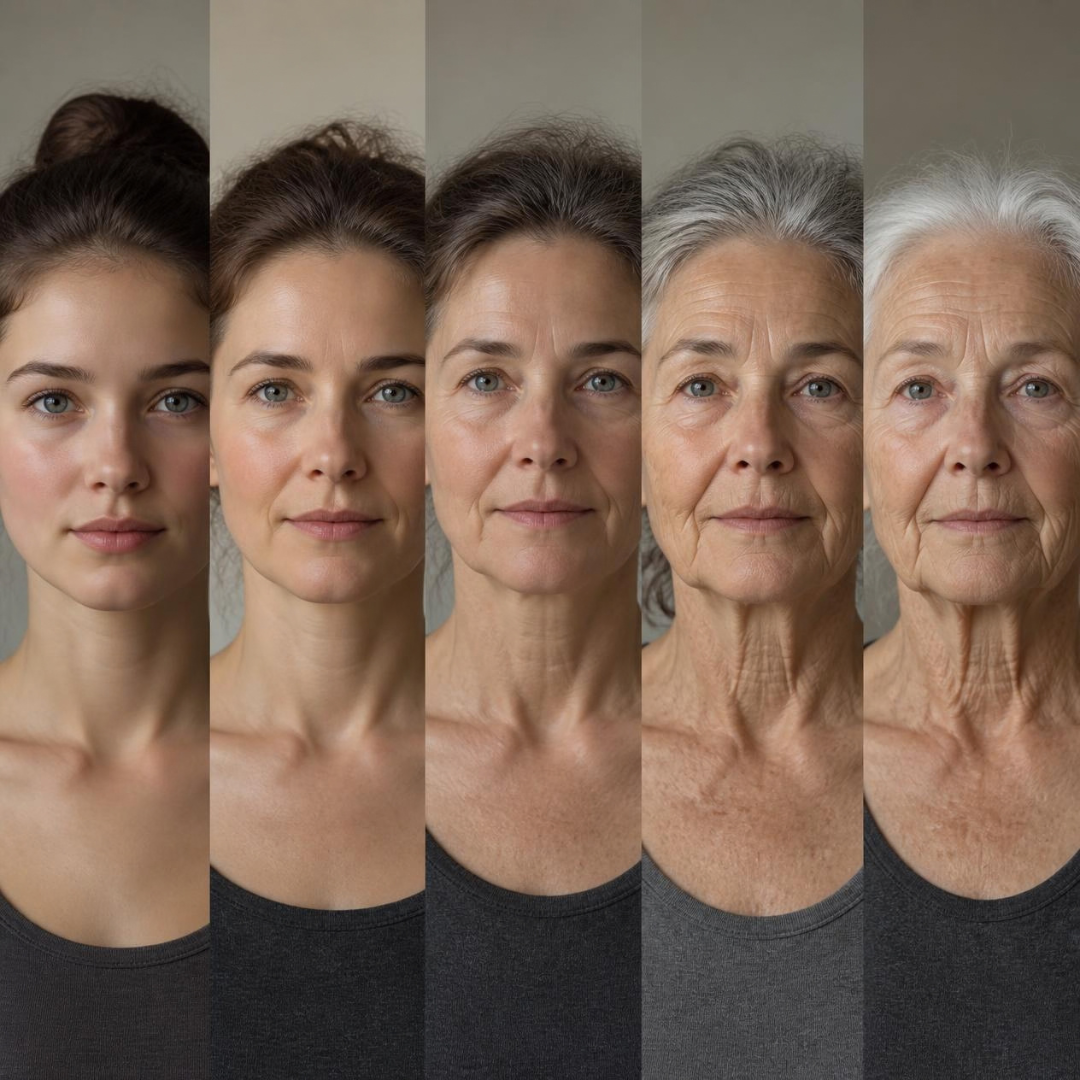
How longevity science from the Buck Institute mirrors our daily journey with Parkinson's
September 30, 2026
 Beatrice
I have spent a long time closely following the work coming out of the Buck Institute for Research on Aging. Their scientists look at the human body not as a collection of separate parts that suddenly break down, but as an interconnected biological network. When I tuned in to the season finale of their Live Better Longer podcast, a lively questions and answers session hosted by Dr Eric Verdin and Dr Brianna Stubbs, so many pieces clicked into place. Listening to them talk about the fundamental biology of getting older felt instantly familiar, because navigating life with Parkinson's calls for the exact same mindset.
One of the first big questions listeners asked was whether there is a single root cause of aging. We often wish there were just one broken switch we could flick back on, yet Dr Verdin and Dr Stubbs explained that biology rarely works that way. Cellular damage, chronic inflammation, metabolic stress, and declining cellular clean-up mechanisms do not happen in neat isolation. They weave together like threads in a tapestry. When one thread frays, the whole weave shifts.
That interconnectedness also explains why different organs in the same body age at completely different speeds. You might know someone whose heart and lungs have the stamina of an athlete, yet their joints cause daily discomfort. In our world with Parkinson's, we witness this uneven biological clock constantly. Movement might feel stiff on one afternoon while our mind is sharp and bright, or our digestion might slow down while our energy stays steady. Our bodies are complex landscapes where different systems face different pressures at different times.
Dr Verdin and Dr Stubbs also spent time addressing the modern obsession with biological clocks and blood biomarkers. While measuring these indicators offers fascinating clues, the hosts offered a healthy dose of realism. A single score or commercial test cannot capture the full, messy reality of tissue health. Moving from exciting mouse studies in a laboratory to genuine improvements in human lives takes immense care and long clinical trials. Mice live in protected cages with identical diets and genes, whereas humans carry decades of varied meals, emotional ups and downs, environmental exposures, and personal histories. There are simply no overnight shortcuts.
What struck me most was how directly their scientific conclusions mirror a holistic approach to Parkinson's. When you look past the commercial hype and expensive miracle claims, the proven foundations of healthy aging turn out to be remarkably practical. Consistent daily movement that challenges our balance and muscles, restorative sleep that allows the brain to clear metabolic waste, nutrient-dense whole foods that calm gut inflammation, and purposeful mental engagement form the real bedrock of cellular resilience.
When we adopt a holistic lifestyle with Parkinson's, we are not just managing individual symptoms from day to day. We are doing something much deeper. We are actively tending to the exact biological pathways that govern how all human cells stay resilient over time. Taking care of our gut health, staying physically active, reducing chronic stress, and nourishing our bodies gives every cell the best possible environment to keep working. By embracing that full picture today, we protect our strength and give ourselves the greatest possible foundation for every scientific advancement still to come.
Comments (0)
Loading comments...