


Massive Analysis of 8,000 People Reveals the Best Therapies to Boost Your Medication
January 24, 2026
A landmark study published this week in npj Parkinson’s Disease has provided the most comprehensive roadmap yet for combining medication with rehabilitation. While pills are often the first line of defence, this massive new analysis confirms that the real benefits emerge when pharmaceutical treatment is paired with the right physical activity. Led by researchers at the Shanghai University of Sport, the project was not limited to a single location; instead, the team aggregated global data from 186 distinct clinical trials involving over 8,202 participants worldwide. Their goal was to move beyond the vague advice of "just exercise" and pinpoint exactly which activities act as the best partners for medication.
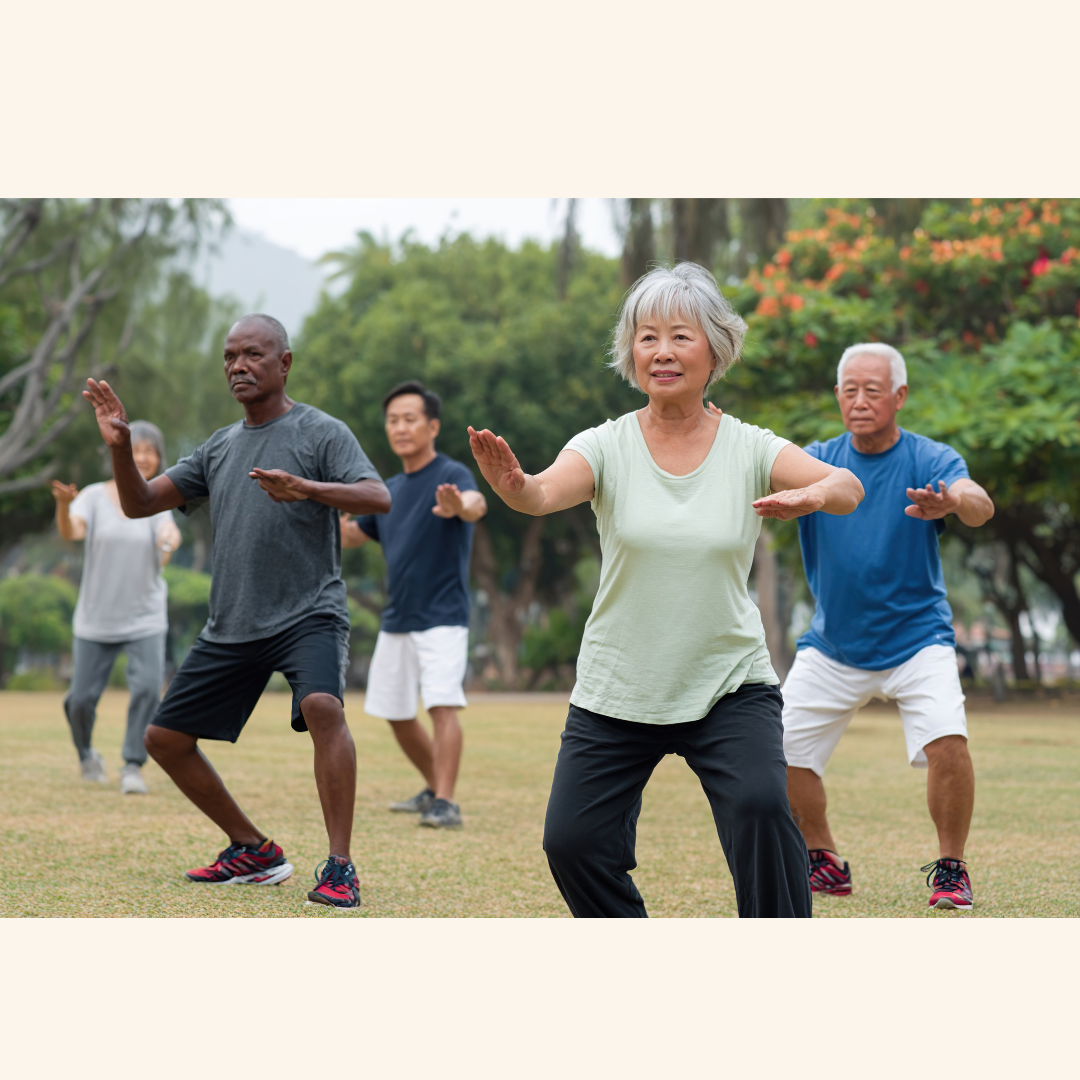
The results offer a surprisingly specific menu of options depending on your personal symptoms, effectively moving the field towards a model of "precision rehabilitation." If staying upright is the primary challenge, the data points away from standard gym work. instead, Traditional Chinese Rehabilitation therapies—such as Tai Chi, Qigong, and Baduanjin—emerged as top performers. The slow, controlled weight-shifting inherent in these movements appears to retrain the body’s centre of gravity more effectively than general exercise. Alongside these traditional methods, high-tech exoskeleton-assisted therapy and hydrotherapy also showed superior results for balance. The robotic suits force patients to complete "perfect" steps through repetition, while water-based therapy allows for complex movement without the risk of falling.
For those battling the mental fog or cognitive shifts that often accompany the condition, the study highlights a completely different path. Passive therapies offered little benefit here; instead, the brain required the physiological challenge of resistance training. Lifting weights or using resistance bands, along with non-invasive brain stimulation, showed the strongest ability to sharpen cognitive function when paired with medication. Interestingly, when the goal was specifically to lift mood and fight off anxiety or depression, "mind-body" exercises like Yoga and Pilates were the clear statistical winners, suggesting that the meditative aspect of movement is crucial for emotional regulation.
The report also delivered a vital insight into daily quality of life. While gait and balance are critical, it was Upper Limb Rehabilitation—focusing specifically on hand and arm dexterity—that yielded the biggest boost in overall daily satisfaction scores. It appears that maintaining the ability to handle a cup of tea or button a shirt contributes more to a patient's sense of well-being than is often assumed. However, the researchers noted a necessary caution: while these signals are strong, the certainty of evidence across many of the 186 trials was often low due to sample sizes and the difficulty of blinding participants to physical therapy. The findings therefore represent the current best statistical evidence rather than a guaranteed cure, confirming that the most effective treatment plan is likely a double act: one part pharmaceutical, one part physical, and entirely tailored to the specific symptom being targeted.
Comments (0)
Loading comments...