


First Parkinson’s patient dosed in Phase 2/3 clinical trial of BHV-8000
June 4, 2025
 LeahJS
The first participant has been enrolled in a Phase 2/3 clinical trial testing BHV-8000, a potential disease-modifying treatment for Parkinson’s disease. Developed by Biohaven Therapeutics, this oral therapy is designed to slow progression—not just treat symptoms.
💊 What Is BHV-8000 and How Does It Work?
BHV-8000 is a brain-penetrant small molecule that targets two key immune proteins, TYK2 and JAK1. These proteins are believed to drive chronic inflammation in the brain, which may contribute to the ongoing loss of dopamine-producing neurons in Parkinson’s.
By calming this immune-related inflammation, BHV-8000 may help protect brain cells and slow functional decline—a goal no current therapy has achieved.
🧠 Why Target Inflammation?
Growing research suggests that neuroinflammation plays a major role in Parkinson’s progression. BHV-8000 aims to interrupt this cycle, potentially offering a new way to modify the course of the disease rather than just manage motor symptoms like tremors, stiffness, and slowness.
👥 Who Can Join the Trial?
The study will involve up to 550 people, ages 40–85, who are in the early stages of Parkinson’s and have not been on Parkinson’s medications recently. Participants will receive 10 mg or 20 mg of BHV-8000, or a placebo, once daily for up to 48 weeks.
Recruitment has started in Florida, with more trial sites expected in the U.S., Canada, and Europe.
🧪 How Will the Therapy Be Tested?
The study’s main goal is to measure how long it takes for symptoms to worsen, using a well-established Parkinson’s rating scale that evaluates everyday activities like dressing and eating.
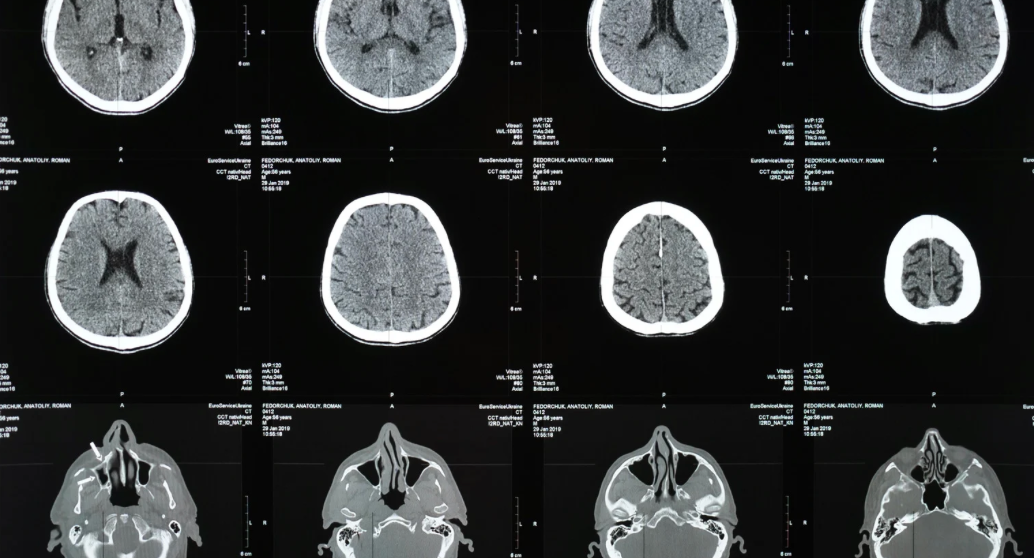
Other measures will assess motor function, overall severity, and brain imaging for dopamine neuron loss.
📈 What Do We Know So Far?
In earlier Phase 1 trials with healthy adults, BHV-8000 was well tolerated, entered the brain effectively, and significantly reduced inflammation markers in the blood—offering early signals of promise.
While there’s still much to learn, this trial marks an important step toward a future where Parkinson’s progression may be slowed or even stopped. For those living with Parkinson’s, their loved ones, and care teams, studies like this offer not just data—but real hope.
Comments (0)
Loading comments...