


KU Leuven researchers have mapped how experimental Parkinson's drugs affect cell genetics
August 28, 2026
 Beatrice
Scientists at KU Leuven in Belgium have discovered that candidate treatments designed to stop alpha synuclein protein clumps behave very differently inside living cells. While all three tested compounds reduced the protein clumps, they altered cell genetics in completely different ways, with some acting only on clumped cells and others affecting healthy cells as well. The good news is that all three treatments helped reset nearly 400 genes that the protein clumps had disrupted.
In Parkinson's, alpha synuclein proteins can misfold and stick together. These sticky clusters spread between brain cells like falling dominoes, causing damage as they go. Finding a way to break up or prevent these clusters has long been a top priority in drug development.
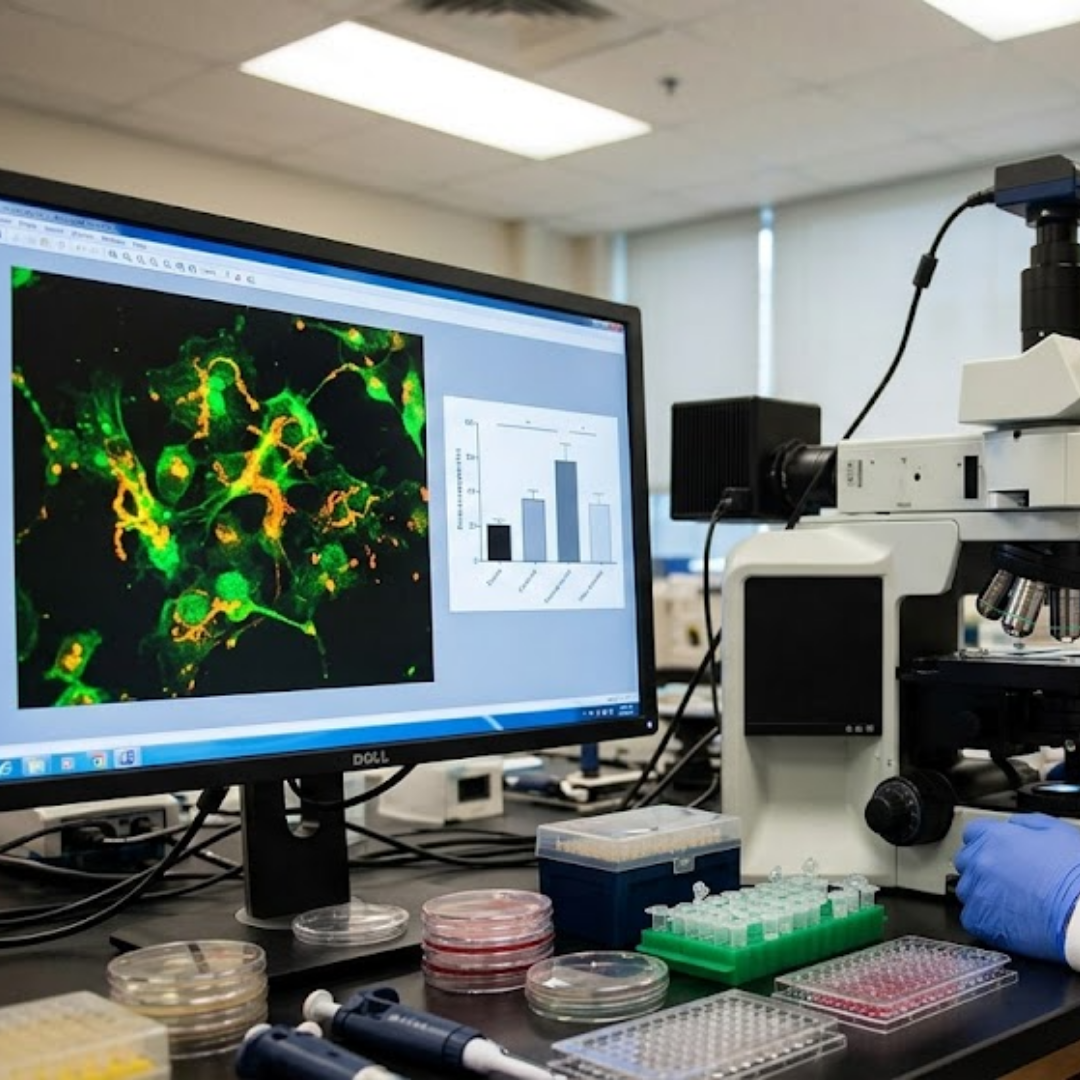
To look closer at what happens inside the cells, the research team engineered cells with a glowing tag that allowed them to watch the protein clumps form under a microscope. They tested three well known compounds: Minzasolmin, Emrusolmin, and EGCG, which is a natural molecule found in green tea.
Instead of just checking if the clumps disappeared, the scientists read the genetic activity inside each individual cell. They found that protein clumps cause the most disruption to how cells manage fats and how they build their protein making factories.
When the treatments were applied, striking differences appeared. EGCG worked like a targeted tool, changing gene activity almost entirely in the cells with protein clumps. Minzasolmin and Emrusolmin caused changes in healthy cells too, even when no clumps were present.
Crucially, all three compounds helped restore balance, bringing 391 disrupted genes back to their normal working state. These findings show that measuring how potential medicines affect the wider biology of a cell is essential to designing safer, more effective treatments for the future.
Comments (0)
Loading comments...