


Tiny Gold Particles Treatment Shows Promise for Reversing Parkinson’s in Mice
January 16, 2025
Researchers have made a groundbreaking discovery that could bring us closer to finding a treatment for Parkinson’s disease, a condition that affects over 10 million people worldwide. Scientists from the National Center for Nanoscience and Technology in China have developed a new treatment method using gold nanoparticles to reverse some of the neurological damage caused by Parkinson’s in mice.
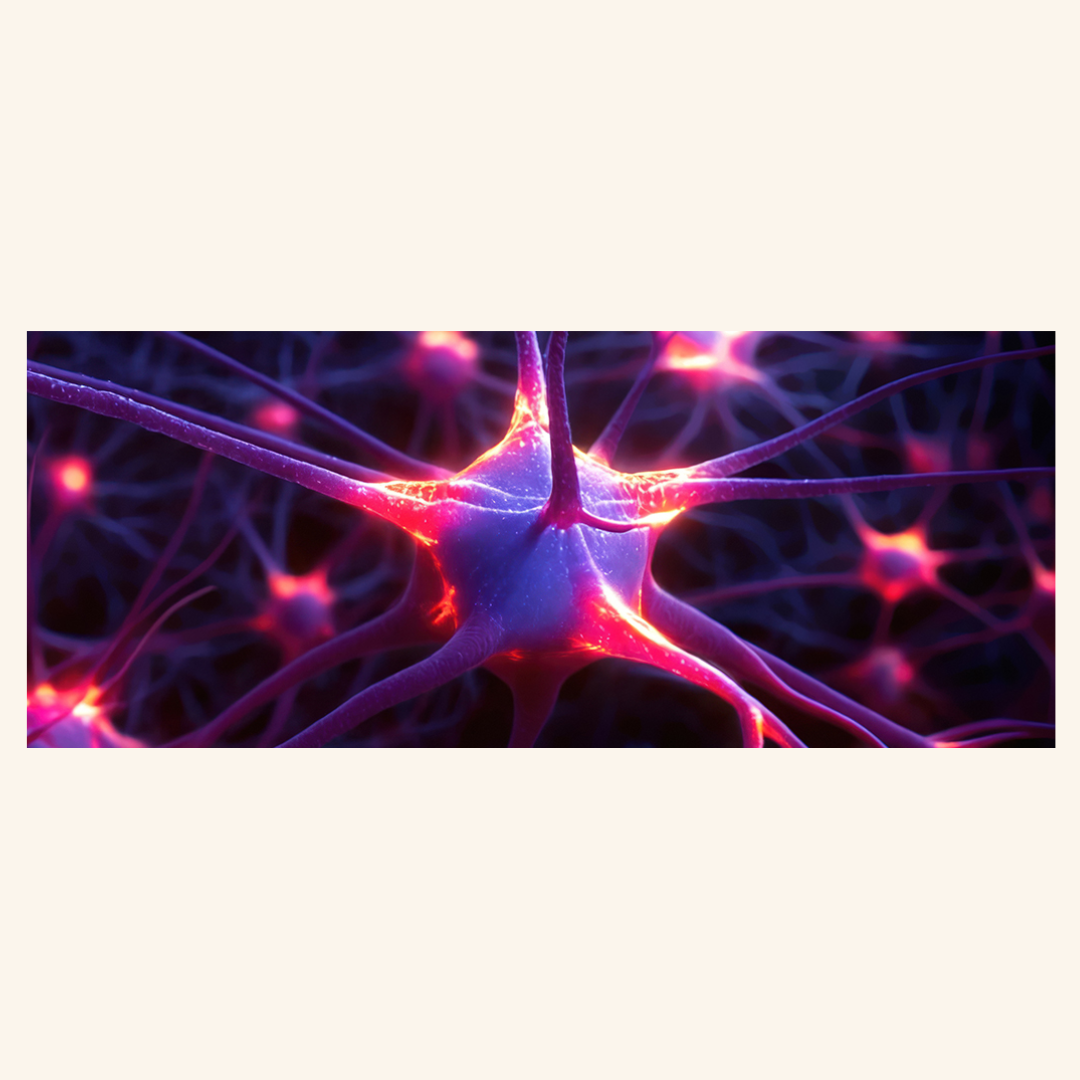
Parkinson’s disease is caused by the damage and death of dopamine-producing brain cells. These cells are vital for controlling movement, and when they deteriorate, it leads to the tremors, stiffness, and difficulty with movement that are common symptoms of the disease. The main culprit behind this damage is a protein called alpha-synuclein, which builds up in the brain and forms toxic clumps.
In this new approach, the researchers used tiny gold particles (about 160 nanometers in size) coated with special molecules that help target damaged brain cells. Once these nanoparticles are implanted in the brain, they can be activated by near-infrared light, which heats them up. This heat triggers the nanoparticles to release specific chemicals that promote the repair of damaged brain cells and break down the harmful protein clumps causing the damage.
What makes this treatment unique is that it doesn't just focus on adding more dopamine to the brain, which is the goal of most Parkinson's medications. Instead, the nanoparticles help 'reawaken' the brain’s own dopamine-producing cells, effectively getting them to work again without needing to rely on drugs. This method could also help clear out the dangerous protein buildup that leads to the disease in the first place.
The results in mice were impressive. The nanoparticles helped restore damaged neurons and improved the movement abilities of the mice, showing significant promise for treating Parkinson’s disease. The treatment also didn’t cause any harmful side effects to other parts of the brain, which is a common concern with other treatments.
While this research is still in the early stages, and has only been tested in mice so far, it offers great hope for future Parkinson’s treatments. One of the biggest advantages is that the treatment can be activated wirelessly without the need for further invasive procedures. This could pave the way for a new kind of deep brain stimulation that doesn’t require constant surgery or drug treatments.
This study is just the beginning, and more research is needed to see if the treatment can be safely used in humans. But if these promising results continue, this innovative nanoparticle-based therapy could one day offer a new, more effective way to treat Parkinson’s disease, without the side effects that come with current treatments.
Comments (0)
Loading comments...