


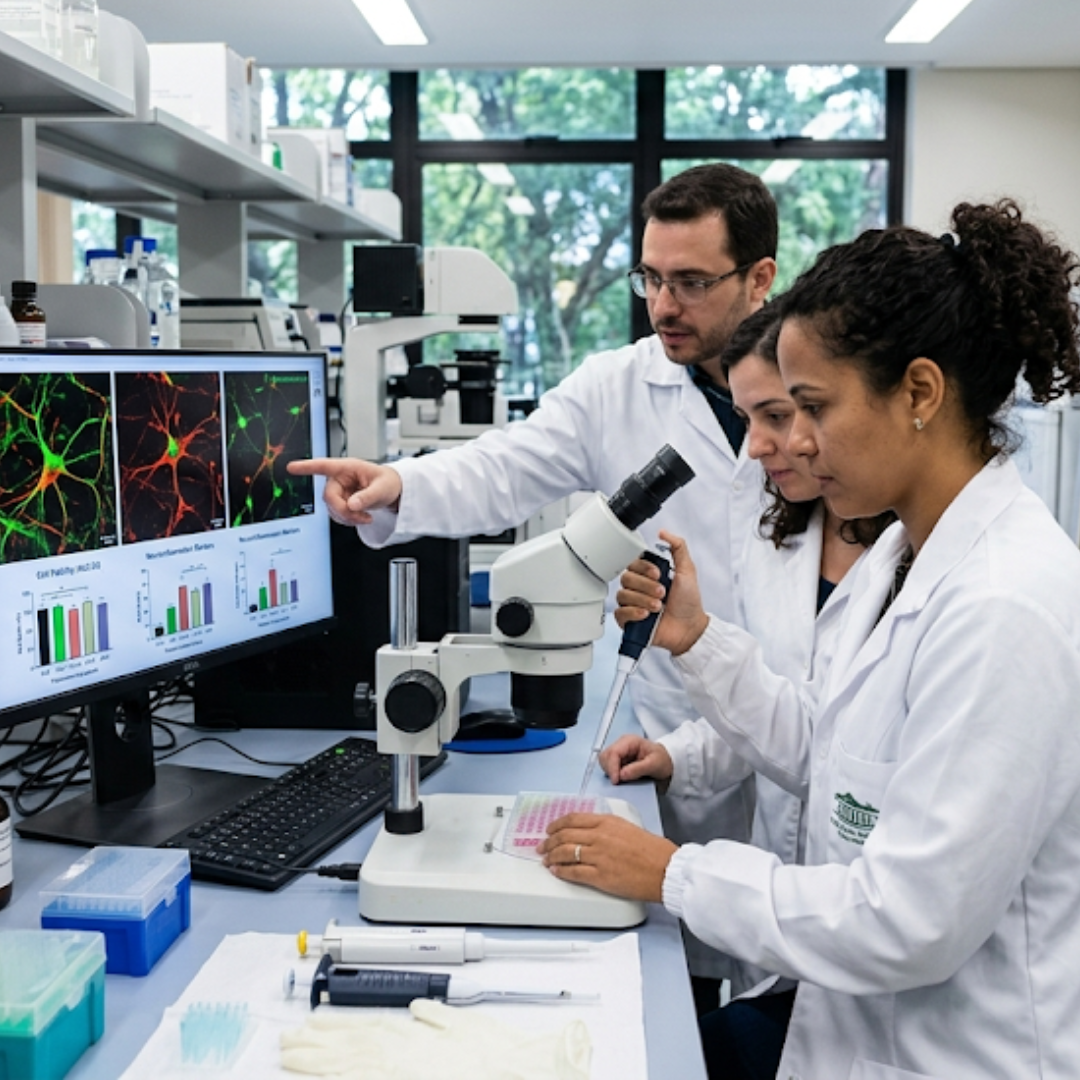
Brazilian scientists uncover an inflammation busting molecule that shields vital brain cells in laboratory models
June 18, 2026
 Beatrice
A research team at the Federal University of São Paulo in Brazil has uncovered a new strategy that could protect the brain cells lost in Parkinson's. The laboratory study looked at a specific protein fragment called Ac2 26. This molecule is a tiny piece of a larger, natural protein called Annexin A1, which our bodies already produce to control swelling and resolve inflammation. Rather than simply trying to replace missing chemical messengers in the brain, this approach focuses on tackling the biological irritation that causes vital cells to die in the first place.
To see how the treatment works, the scientists used a laboratory model involving mice. They introduced a specific neurotoxin called 6 OHDA into the brain, which mimics the condition by causing the fast degeneration of neurons that produce dopamine, the chemical messenger responsible for smooth body movements. Almost simultaneously, the team injected the Ac2 26 peptide into the abdomen of the mice. The results showed that the peptide acted like a protective shield, significantly preventing cell death and keeping the dopamine producing neurons alive despite the toxic environment.
The study also revealed clear biological differences between the sexes regarding how the condition progresses and how the brain defends itself. Female mice naturally showed a much stronger resilience to the damage, maintaining their movement skills and showing an inherent protection early on. This natural advantage was so powerful that it remained true even in genetically modified mice that completely lacked the Annexin A1 protein. On the flip side, the loss of neurons was far more evident and rapid in male mice, which actually gave the researchers a clear way to measure exactly how effective the new peptide treatment is at stopping cell degeneration.
While this discovery is a significant step forward, the project remains in its early experimental stages and the molecule has not yet been developed into a commercial medicine. The next step for the research team is to find out whether this peptide can go beyond prevention. They plan to test if it can actively reverse existing neuronal damage and rescue cells that have already started to fail. If successful, this line of research could eventually offer a fresh therapeutic route, targeting the root causes of cell loss to complement or improve current management options.
Comments (0)
Loading comments...