


Neuroprotective effect shown in new molecules derived from cannabinol
May 23, 2024
 Beatrice Zatorska
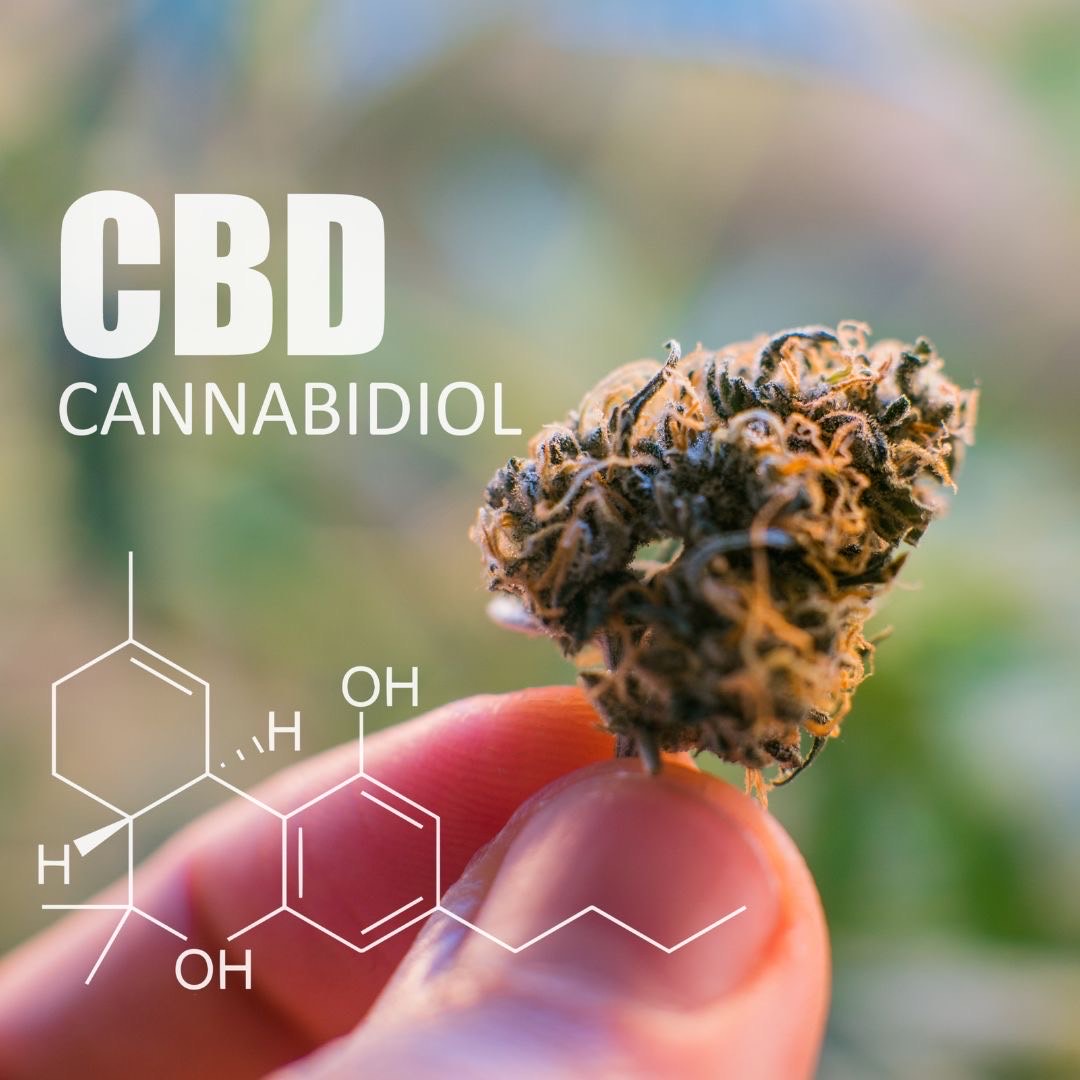
The study focuses on a new area of research related to oxytosis and ferroptosis, which are types of cell death linked to neurological disorders like Alzheimer's and Parkinson's diseases, and traumatic brain injury. Developing treatments that inhibit these pathways could potentially help manage these conditions. Researchers previously found that cannabinol (CBN) effectively inhibits these cell death pathways by targeting mitochondria in neuronal cells.
To better understand how CBN works, the researchers used a drug discovery method that combines fragment-based drug design with cell-based tests to explore the structure-activity relationship of CBN. This led to the creation of four new CBN analogs (CP1-CP4) that not only match CBN's effectiveness in protecting neurons and modulating mitochondria but also have improved drug-like properties.
Among these, CP1 stood out with better performance in a Drosophila (fruit fly) model of mild traumatic brain injury. This research highlights the essential components of cannabinoids that offer neuroprotection and demonstrates the value of combining lab-based tests with quick animal studies for developing new treatments.
Comments (0)
Loading comments...