


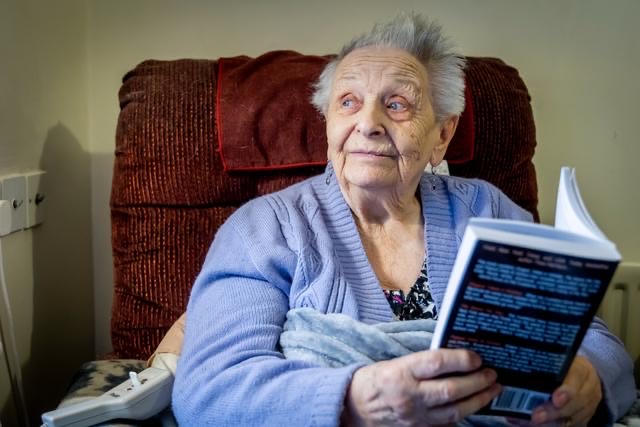
About 24% of people with Parkinson’s in the UK need to borrow money to meet life needs
February 27, 2024
 Beatrice Zatorska
This is the recent survey from Parkinson’s UK on the standard of living of people with Parkinson’s in the UK. This is heartbreaking and very worrying feedback:
At the end of March, the government’s cost of living support will come to an end. Yet our new research has found that for many people with Parkinson’s, the cost of living crisis is far from over.
A year after our first cost of living report, Nowhere near enough, we asked the Parkinson’s community if they were affected by the cost of living crisis and if so, how.
We found that, despite the government’s Cost of Living Payment scheme, a quarter of those who took part in our survey are struggling to cover the most basic costs.
Struggling to cover the basics
Of those who said they were struggling:
almost 8 in 10 said they will turn on their heating less frequently during winter to save on fuel costs
a third are having fewer meals to save money
almost 1 in 4 (24%) had to borrow money to pay for basic necessities such as food or household fuel
well over two thirds of people with Parkinson’s are travelling and socialising less because of their financial situation
two thirds say they are more isolated than they were at the beginning of 2023
almost 2 in 5 say that they do not have enough money to cover basic needs
half say that their symptoms have been made worse by their financial situation.
A survey respondent shared: "[My] muscles and joints are stiffer due to cold and not having the heating [on]."
It is deeply concerning that so many people with Parkinson’s cannot afford the bare essentials of adequate food and heating and that their health is suffering as a consequence.
Another survey respondent said: "Increased anxiety resulting in Parkinson's symptoms worsening [...]. I was also prescribed antidepressants to help me cope with the additional stress."
Comments (0)
Loading comments...