


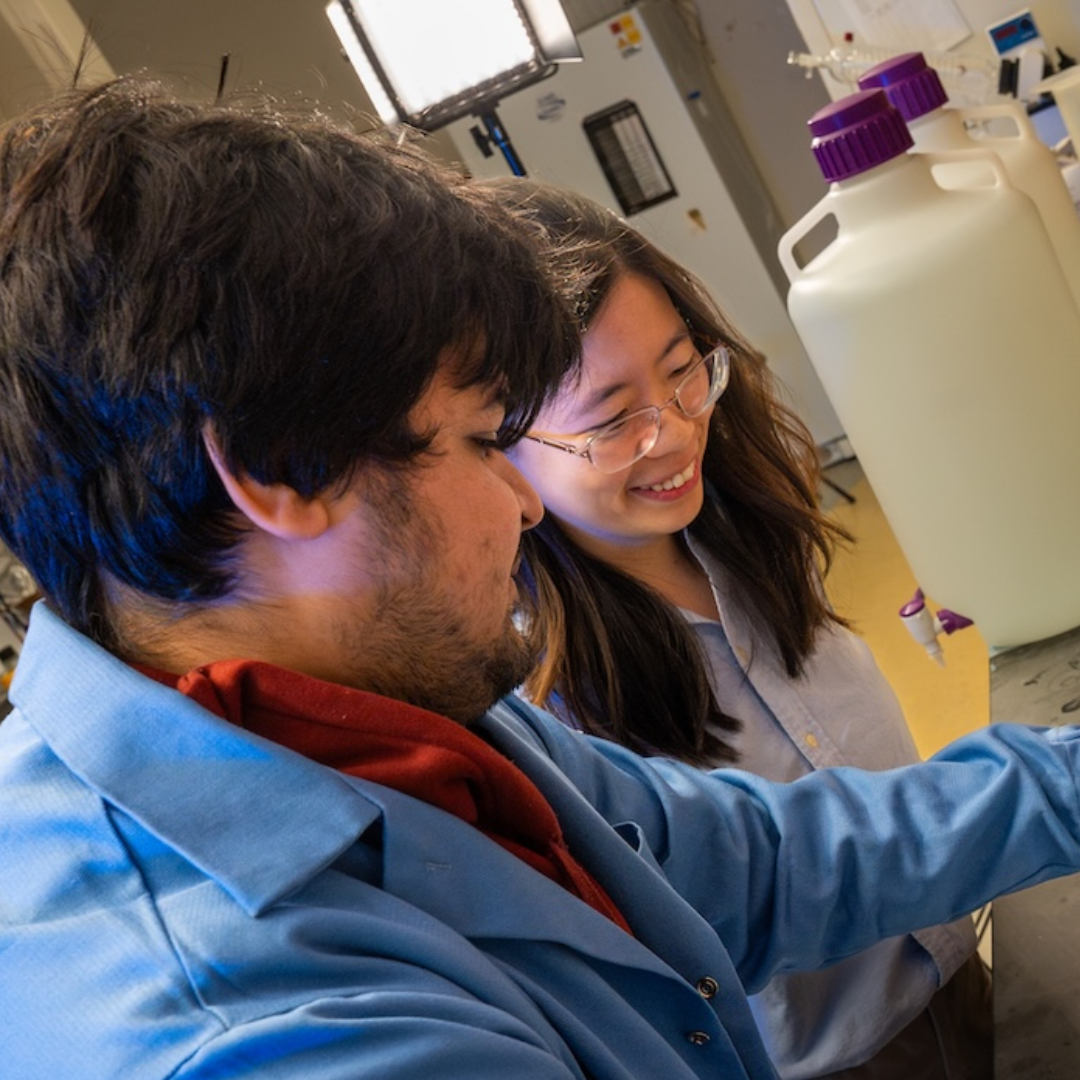
Syracuse University researcher Jialiu Zeng develops nanoparticle therapy to restore cell recycling and slow Parkinson's progression
June 10, 2026
Inside every human cell, a tiny structure called a lysosome acts as a recycling center. It breaks down toxic waste, clears away damaged proteins, and keeps the cell functioning properly. To do this job successfully, lysosomes require a highly acidic environment, very similar to how stomach acid works to break down food. In certain conditions, this acidity drops. When the recycling center loses its acidic conditions, it stops working properly. As a result, waste builds up, harmful proteins accumulate, and the internal systems of the cell begin to break down, which eventually leads to the damage of brain cells responsible for movement.
Instead of just treating the symptoms of the condition, Jialiu Zeng, an assistant professor of biomedical and chemical engineering, is targeting the root cause. Her new study introduces a novel approach using nanoscopic particles delivered into the body. These nanoparticles are incredibly small, spherical structures made from long, flexible polymer chains that tangle together into a tiny ball. Because they are so small, cells can easily absorb them. Once inside the cell, these nanoparticles break apart and release acid, directly restoring the necessary acidic environment so the lysosomes can start working again.
The research has already shown very promising results. In both cell and animal models, restoring the acidic environment in lysosomes successfully reduced the buildup of toxic proteins and protected the vital brain cells that are usually lost as the condition progresses.
This cleanup failure might also offer a way to spot the condition much earlier. The research suggests that lysosomal dysfunction is an early warning sign that harmful processes are beginning to build up. This same recycling failure is seen in other neurodegenerative conditions and metabolic disorders like obesity and diabetes. Because of this, Zeng is working alongside researcher Toshikazu Lo to develop biomarkers that can detect changes in cellular acidity at the very earliest stages.
The next major challenge for the research team is finding a way to help these nanoparticles reach the brain more effectively. When a standard drug is injected, often less than one percent actually manages to cross the protective blood brain barrier. To solve this, Zeng is designing new nanoparticles with specific features that can be recognized by receptors at the barrier, acting like a key to allow efficient transport into the brain. While there are already a few approved nanoparticle treatments for cancer and infectious diseases, none exist yet for neurodegenerative conditions, making this ongoing work a highly promising step forward.
Photo: Jialiu Zeng works in her lab. (Photo by Amy Manley)
Comments (0)
Loading comments...