


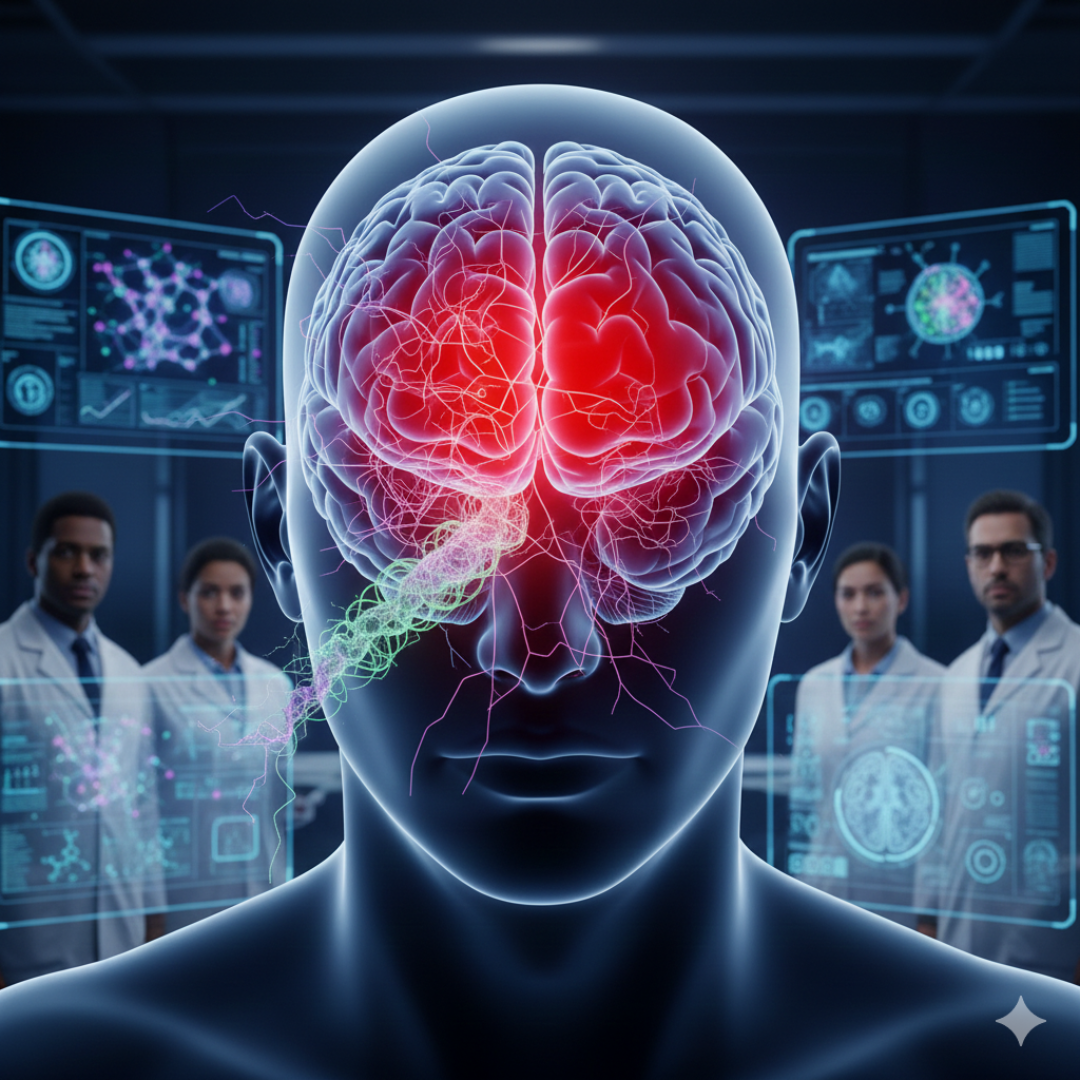
The Hidden Risks of Minor Strokes in Parkinson’s
February 25, 2026
A major new study, recently highlighted in Neurology Advisor, has uncovered a concerning trend: people living with Parkinson’s face a significantly higher risk of mortality following an ischemic stroke, even when that stroke is considered "minor." The research, published in Movement Disorders on 9 February 2026, suggests that the biological impact of a stroke is far more severe for those already managing the condition than for the general population.
The study followed over 3,000 people with Parkinson’s who experienced an acute ischemic stroke (AIS) and compared them to matched groups over a ten-year period. What researchers found was a "synergistic" effect—where the combination of the two conditions resulted in a much higher number of deaths than would be expected if you simply added the risks together.
Small Strokes, Large Consequences
One of the most striking findings was that people with Parkinson’s actually tended to have smaller strokes on average than those without the condition. Despite this, their mortality rates were substantially higher across every time period studied—at one year, five years, and ten years post-stroke.
The researchers discovered that this increased risk remained even after they adjusted for other factors like cardiovascular health, age, smoking status, and frailty. This means that the higher mortality isn't just because people with Parkinson's might be older or have other heart issues; there is something specific about the interaction between the condition and the brain's ability to recover from an ischemic event.
A Need for Targeted Protection
The study suggests that the widespread structural and functional changes that occur in the brain due to Parkinson’s may leave it much more vulnerable to damage. Even a "minor" stroke can push the brain’s delicate balance over the edge, leading to a decline that is harder to recover from.
This research highlights the vital importance of vascular health for everyone in the community. Preventing strokes—by managing blood pressure, staying active, and monitoring heart health—is not just about preventing a new diagnosis; it is about protecting the brain's resilience. These findings may lead to more targeted therapeutic strategies in the future, where doctors provide even more intensive support to people with Parkinson's who have experienced even the smallest of "mini-strokes" or TIAs.
Understanding these risks is the first step toward better prevention and more specialized care, ensuring that we can protect brain health and improve long-term outcomes for those living with the condition.
Comments (0)
Loading comments...