


Rewiring the Brain: Neuroplasticity & Functional Neurology in Parkinson’s
March 3, 2026
Neuroplasticity has garnered significant attention recently, and for good reason. This week’s discussion marks the third major webinar this month dedicated to the topic, following the "No Silver Bullet 4 PD" interview with Dr Rick Helmich on "The Brain’s Backup Plan" and the Association of Carolinas’ session on the power of neuroplasticity and exercise. I must extend a sincere thank you to Mr Green for recommending this specific webinar featuring Dr John Conde of the Functional Neurology Brain Center of Florida. His insights provide a compelling look at how we can stimulate the brain’s ability to adapt and form new pathways to combat the symptoms of the condition.
The Foundation of Change: What is Neuroplasticity?
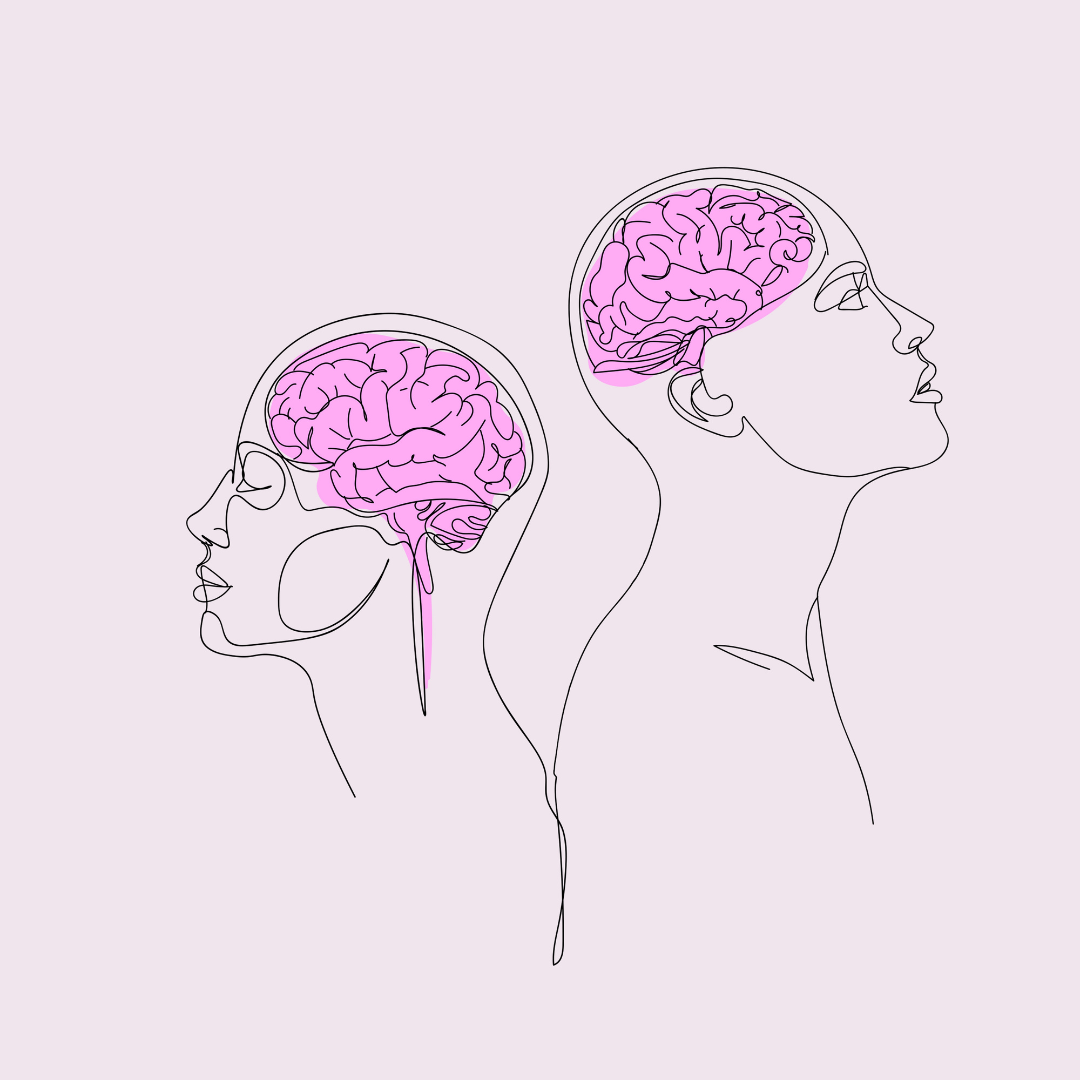
For decades, the scientific community operated under the assumption that once the brain reached maturity in your 20s, its structure was fixed. We now know that the brain is constantly changing based on experience, learning, and environment. This ability to reorganize is called neuroplasticity—literally meaning "changeable."
In the context of the condition, neuroplasticity is the key to neurological healing. While the condition involves the loss of dopamine-producing neurons in the basal ganglia, the brain can actually transfer functions to different locations and strengthen existing synapses to compensate. By providing the brain with "novel" or new information, we can encourage it to build a "five-lane highway" of connections where only a two-lane road once existed.
Targeted Stimulation and the "Frontal Lobe Connection"
One of the most vital takeaways from Dr Conde is that neuroplasticity must be strategic. The brain thrives on specificity. For example, the frontal lobe—the part of the brain responsible for planning and executive function—is inseparable from the basal ganglia, which is ground zero for the condition. By using targeted therapies to rehab the frontal lobe, we can actually help it modulate the areas struggling with dopamine production.
Innovative tools are now being used to achieve this "targeted activation":
Medical Virtual Reality: This is used for mirror therapy to "trick" the brain into seeing a limb moving smoothly without a tremor, which activates mirror neurons that can eventually help reduce involuntary movements.
Multi-axis Rotational Chairs: Using devices like the GyroStim, practitioners can use controlled motion to stimulate the inner ear and vestibular pathways, which sends powerful signals to the midbrain to enhance balance and coordination.
Neuromodulation: Devices that stimulate specific nerves, like the trigeminal nerve, act as a high-intensity "fuel" for the brain, helping to speed up the formation of new neural connections.
The Power of Lifestyle: Fueling the Repair Crew
Neuroplasticity does not happen in a vacuum; the brain needs the right environment to thrive. Dr Conde emphasizes an anti-inflammatory diet to reduce "brain heat." This means focusing on healthy fats like avocado and olive oil, while choosing low-glycemic fruits like blueberries and pears over high-sugar options.
Hydration is equally critical—your brain is mostly fat and water, so staying hydrated keeps the system fluid. Furthermore, we must respect the "glymphatic system," the brain’s internal waste-management service. This system primarily operates while we sleep, flushing out toxic debris and misfolded proteins. Aiming for seven to eight hours of sleep is not just a luxury; it is a clinical necessity for anyone looking to maximize their neuroplasticity.
Moving from Passive to Proactive
The overarching message is one of profound hope. Whether you are dealing with a "tremor dominant" or an "akinetic-rigid" subtype, your brain remains capable of change. Practical strategies like using your non-dominant hand, taking new routes, or even learning a new language create "generalized" neuroplasticity that supports your specific therapy.
The goal of functional neurology is to move beyond just masking symptoms with medication and instead focus on strengthening the brain’s "backup plan." By treating the brain as an adaptable, living organ, we can take charge of the trajectory and extend our quality of life for decades.
Comments (0)
Loading comments...