


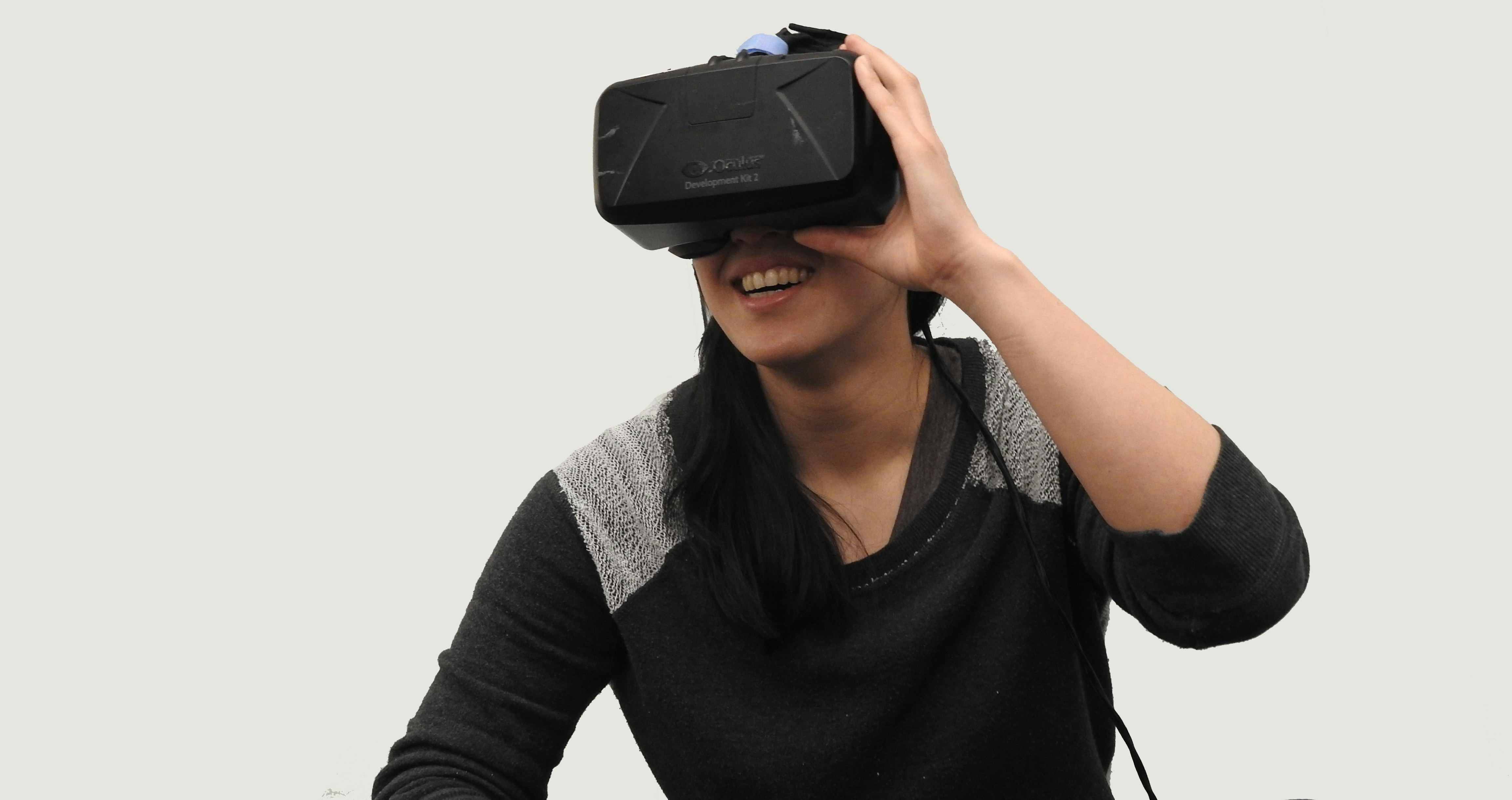
Virtual Reality Therapy Shows Promise for Mental Health in Parkinson’s
March 19, 2025
A new study suggests that combining talk therapy with virtual reality (VR) could help improve mental health and overall quality of life for people with Parkinson’s disease.
Researchers found that using virtual reality alongside cognitive behavioural therapy (CBT) led to better emotional well-being and reduced anxiety and depression compared to those who didn’t receive therapy.
How Can Virtual Reality Help?
Parkinson’s is known for its physical symptoms like tremors and stiffness, but it also affects mental health. Many people with the condition experience anxiety and depression, which can make daily life more challenging.
CBT is a well-established type of talk therapy that helps people manage their thoughts and emotions by replacing negative thinking patterns with healthier ones. Scientists are now exploring how VR, which creates an immersive digital environment, could enhance this therapy by making it more engaging and interactive.
In this study, conducted in Iran, researchers investigated whether using VR could make CBT even more effective for people with Parkinson’s.
The Study: Virtual Reality Meets Talk Therapy
The study involved 90 people with Parkinson’s. Half of the participants received 12 sessions of VR-augmented CBT over three months, while the other half did not receive any specific mental health care.
Before and after the study, participants took tests measuring their mental health and quality of life, including the Hospital Anxiety and Depression Scale (HADS) and the Parkinson’s Disease Questionnaire-39 (PDQ-39).
While both groups showed some improvement over time, those who received VR-enhanced therapy saw significantly greater benefits. They reported feeling less anxious and depressed and had a higher overall satisfaction with life.
What This Means for Parkinson’s Care
The findings suggest that VR-based CBT could be a useful tool for improving mental well-being in people with Parkinson’s. The technology allows patients to practice coping strategies in a realistic but controlled environment, helping them apply these skills to real-life situations.
However, the study had some limitations. It was conducted at a single centre with a relatively small number of participants. Researchers also noted that while VR clearly helped, more studies are needed to determine whether it significantly improves CBT compared to traditional methods.
Despite these questions, the research highlights an exciting new way to support the mental health of people with Parkinson’s—one that could lead to more effective and engaging therapy options in the future.
Comments (0)
Loading comments...