


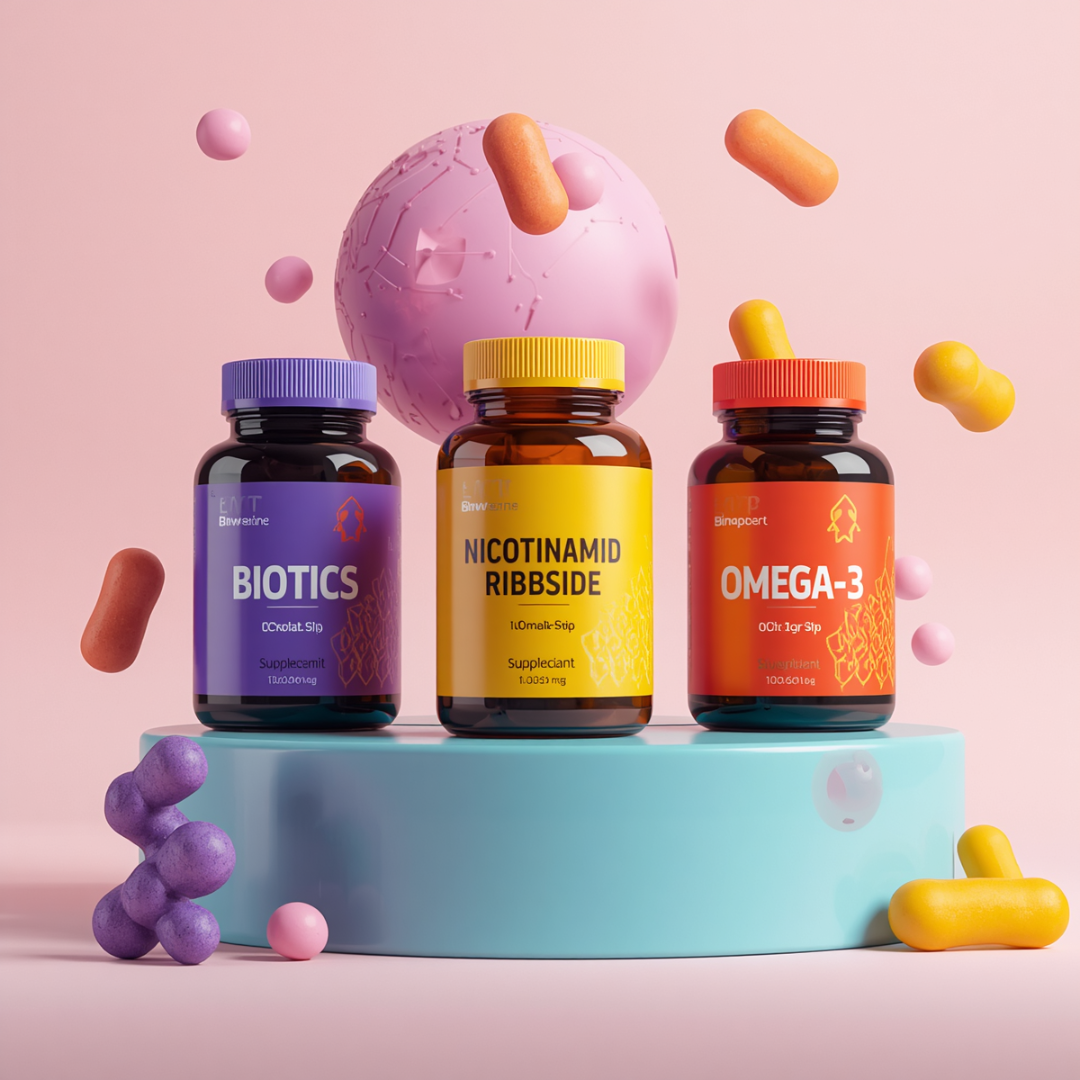
New scientific review identifies biotics, nicotinamide riboside, and omega-3s as most promising supplements for modifying Parkinson’s progression
May 15, 2026
The number of people living with Parkinson’s is rising quickly across the world. While the standard medication, levodopa, is brilliant at managing movement symptoms, it cannot stop the underlying changes in the brain. Because there is no cure yet, many people look for ways to take control of their own health through lifestyle, diet, and dietary supplements like vitamins and probiotics.
A new scientific review by a team of researchers at the University of Auckland, published in the Journal of Parkinson’s Disease, has looked closely at human clinical trials. Their goal was simple: to separate genuine scientific hope from clever marketing hype.
The Big Picture: What Are We Trying to Fix?
To understand how supplements might help, we first need to look at what is actually happening inside the body. Parkinson’s is much more than just a loss of dopamine. It involves a complex web of cellular issues:
- Alpha-synuclein misfolding: Proteins clump together inside brain cells.
- Mitochondrial dysfunction: The powerhouses of our cells stop producing energy efficiently.
- Neuroinflammation and oxidative stress: The body experiences internal swelling and cell damage.
Gut microbiome dysbiosis: The balance of bacteria in the stomach becomes upset.
Many drug trials trying to fix these problems have failed. Because of this, scientists are turning to supplements to see if they can target these issues safely.
The Gut-Brain Connection: Biotics Take Centre Stage:
One of the most exciting new frontiers in research is the connection between the gut and the brain. People with the condition often have fewer bacteria that produce short-chain fatty acids. These fatty acids keep the gut wall strong. When they drop, the gut barrier becomes weak, which might allow harmful, misfolded proteins to travel from the stomach straight to the brain.
Scientists have been testing biotics—which include probiotics (good bacteria), prebiotics (food for good bacteria), and synbiotics (a mixture of both)—to see if they can fix this. The results are very encouraging:
- Lower Inflammation: Multi-strain probiotics have been shown to significantly lower inflammatory chemicals in the blood, such as tumor necrosis factor-alpha (TNF-alpha) and various interleukins.
- Better Antioxidant Levels: Synbiotics help the body fight off cell damage by boosting overall antioxidant levels.
- Happier Tummy: Stool samples show that these supplements successfully bring back healthier bacteria and help ease common issues like constipation.
The Hype Check: While probiotics are very safe and excellent for gut health, the evidence is still mixed on whether they can actually slow down the progression of movement symptoms.
Boosting Cell Energy: Nicotinamide Riboside (NR):
Nicotinamide riboside, or NR, is a special form of vitamin B3 that has caught the attention of researchers because it helps cells generate and use energy. If we can give brain cells more energy, they might be able to fight off degeneration much better.
The human data on NR is still in the early stages, and different trials have shown different results:
- The NADPARK trial gave participants 1000 mg of NR daily for 30 days. It changed the cells' internal chemistry but did not show any visible improvements in symptoms.
- The NR-SAFE trial used a much higher dose of 3000 mg daily for 28 days. This time, participants showed real, measurable improvements in their motor skills.
The Hype Check: To figure out exactly how much NR is needed, two massive trials called NOPARK and N-DOSE have just finished tracking patients over longer periods. The scientific world is eagerly waiting for these results to see if NR is the real deal.
Omega-3 Fatty Acids and the Mixed Bag of Antioxidants:
Omega-3 fatty acids (found in fish oil) are famous for protecting the heart, but they might also protect the brain. When combined with vitamin E, omega-3s have successfully lowered swelling and cell damage markers in human trials. However, the physical results were a mixed bag—some patients saw improvement in their daily living scales, while others saw no difference at all compared to a dummy pill (placebo).
While omega-3s still hold promise, several other famous supplements have hit a brick wall in large clinical trials:
- Coenzyme Q10 (CoQ10): People often lack CoQ10, which helps cell mitochondria. Early small studies looked great, but the largest, most rigorous trials proved that CoQ10 does not slow down the condition. International guidelines now officially state it is not effective for this purpose.
- Creatine: Famous in the fitness world for boosting energy, creatine was put through a massive five-year trial involving nearly 1000 people. It was stopped early because it was doing absolutely nothing to delay progression.
- Inosine: This was trialled because it boosts a natural antioxidant called urate. Sadly, a large trial showed it did not slow symptoms, and it actually increased the risk of painful kidney stones.
The Future is Holistic and Personalised:
The clearest takeaway from this major review is that the future of care will not be about finding one single "magic pill." Because Parkinson's involves inflammation, cell energy loss, and gut changes all at once, our approach needs to target all of these pathways at the same time.
There are exciting new plant-based compounds being tested in labs right now, such as baicalein and EGCG (found in green tea), which show great promise in protecting cells. However, before any supplement can be officially recommended to slow down the condition, we need much larger, longer human studies.
The best future research will use clever trial designs, like "delayed-start" or "washout" periods, to prove a supplement is genuinely protecting the brain rather than just masking symptoms for a few weeks. Until then, the most powerful plan is a holistic one that combines targeted nutrition and safe supplements with regular exercise, good sleep, and expert medical care.
Comments (0)
Loading comments...