


Use of Smartphones and Wrist-Worn Devices for Motor Symptoms in Parkinson’s Disease
June 15, 2025
 LeahJS
Wearable technology—like smartphones, smartwatches, and fitness trackers—is becoming a valuable tool in managing Parkinson’s disease. These devices can track movement, monitor symptoms, and provide feedback, helping both individuals and clinicians better understand daily changes and treatment needs.
Why Wearables Matter
Wearables are affordable, widely available, and already integrated into many people’s lives. This makes them especially helpful in Parkinson’s care, where ongoing monitoring is important. Wrist-worn devices like smartwatches and activity trackers are easy to use and can provide real-time information without the need for frequent clinic visits.
Different Devices for Different Needs
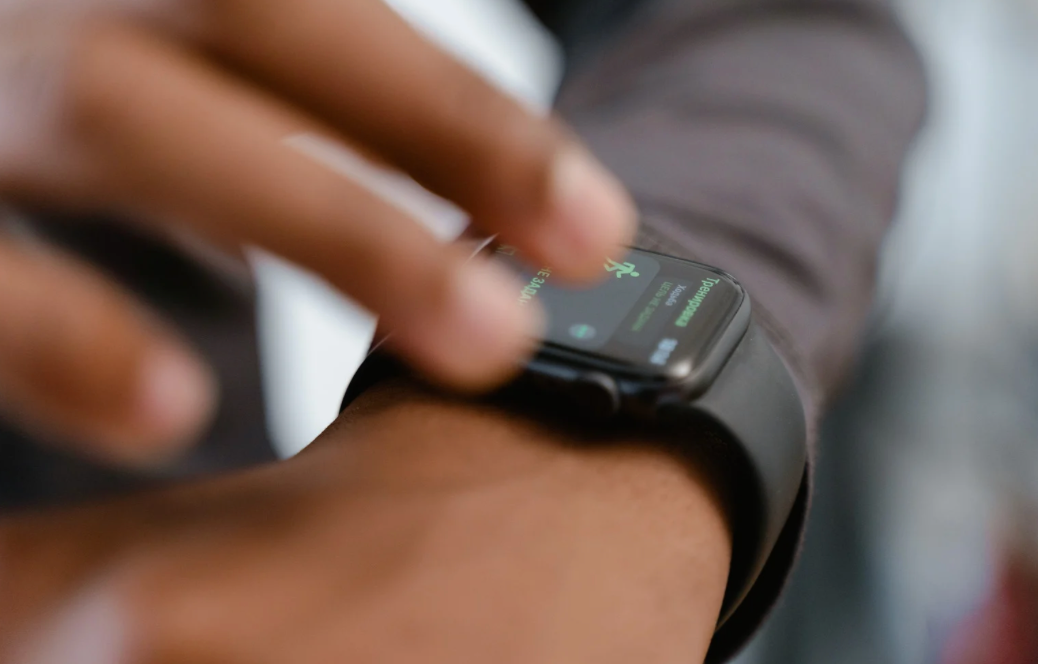
Smartwatches offer advanced features like touchscreens and health apps but may require pairing with smartphones.
Activity Trackers (ATs) are simpler and less expensive, focusing mainly on physical activity.
Smartphones can collect detailed health data but often need to be worn or strapped to the body for accurate readings.
Usability and Comfort Matter
Comfort and ease of use are key—especially for people with motor symptoms. Studies show wrist-worn devices are often preferred over hip-worn ones because they are easier to manage and more comfortable. Visual feedback, like step counts, can also motivate people to stay active.
From Data to Action
Data collected through wearables has been shown to match well with traditional clinical assessments, helping track symptoms like walking patterns, tremors, and even non-motor symptoms. This data can also feed into machine learning tools, which may one day predict fall risk or detect early signs of disease progression.
Supporting Long-Term Engagement
For wearables to work well in real life, especially outside clinical settings, they need to be designed with users in mind.
Successful apps and devices include:
Easy-to-read displays
Personalized reminders
Direct feedback
Integration with healthcare systems (like electronic health records or telemedicine platforms)
When designed this way, wearables support independence and encourage healthy routines, while reducing the need for in-person visits.
Addressing Challenges and Moving Forward
Despite their potential, wearables still face challenges:
Lack of standardization in research methods makes it hard to compare studies.
Limited long-term data means we don’t yet fully understand how these tools perform over time.
Variability in users' symptoms can affect how well devices work.
Smaller studies limit generalization to the broader PD population.
Future research should:
Involve people with PD in the design process (co-design)
Focus on real-world use and long-term outcomes
Standardize testing protocols
Compare the effectiveness of different device types
A Promising Path Ahead
Wearable devices have the potential to transform Parkinson’s care—offering personalized, cost-effective, and accessible ways to monitor and manage symptoms. They can help detect changes early, support decision-making, and improve communication between patients and care teams.
As the technology continues to evolve, its thoughtful integration into everyday life and clinical practice could lead to better outcomes and a higher quality of life for people living with Parkinson’s.
Comments (0)
Loading comments...