


How L-Dopa Can Change the Brain
October 18, 2025
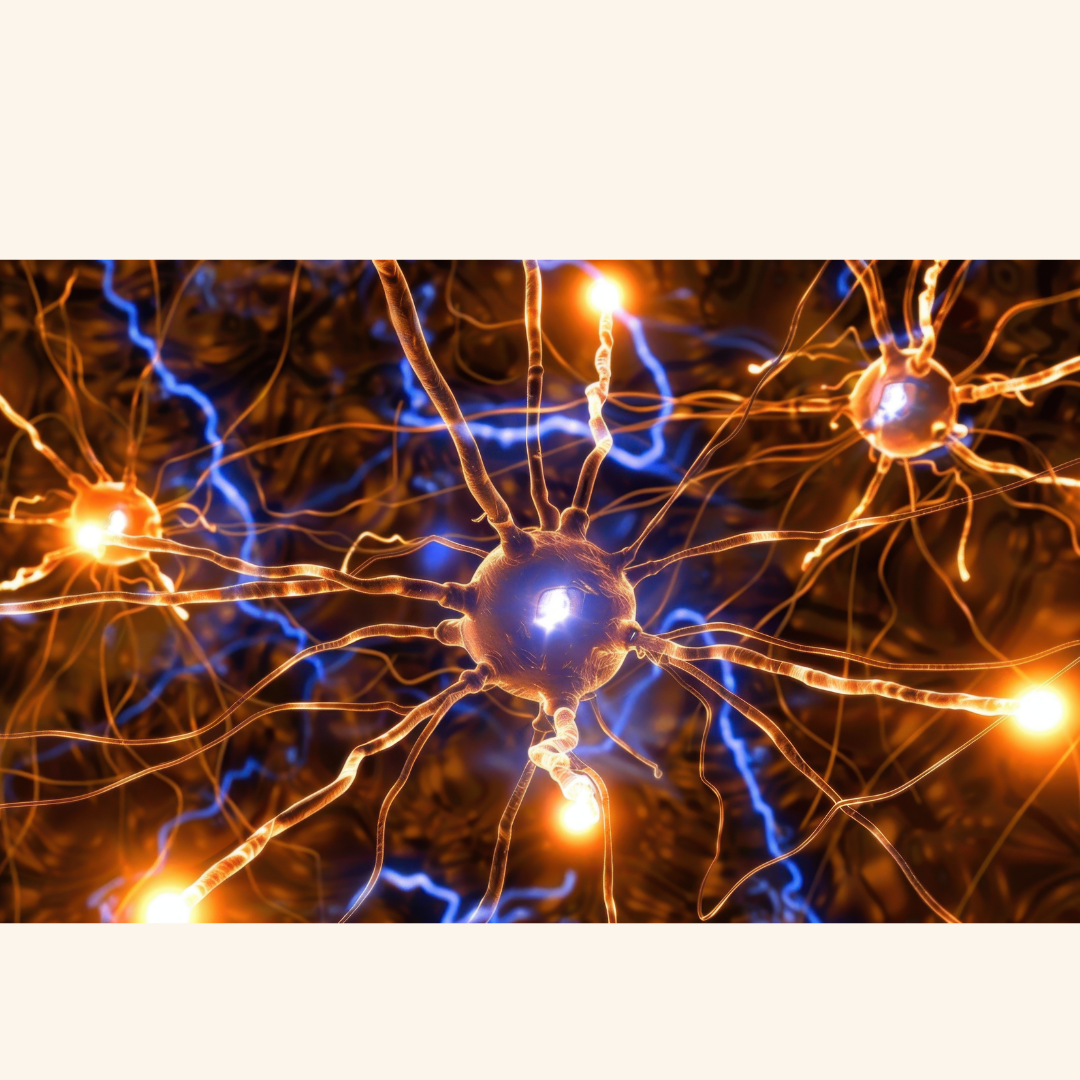
Let’s take a closer look at how L-Dopa works in the brain, using a simple visual story. Imagine your neurons, the brain’s cells, as trees in a forest. The branches of these trees, called dendritic spines, are where neurons meet and talk to each other, passing messages that help you move, think, and feel.
Inside each neuron are tiny structures called microtubules. Think of them as scaffolding that keeps the tree strong and helps the branches grow in the right directions. Microtubules are essential for keeping the neuron stable and for allowing messages to travel smoothly from one neuron to the next.
Now, here’s where L-Dopa comes in. It’s a lifesaver for people with Parkinson’s because it boosts dopamine, the chemical that neurons use to communicate movement signals. But L-Dopa can also attach to a protein called α-tubulin, which is part of the microtubule scaffolding. When that happens, the scaffolding becomes stiffer and less flexible. Imagine trying to grow new branches on a tree when the trunk is rigid — the branches don’t reach as far, and fewer leaves or flowers form. In the brain, that means fewer connections between neurons and a slightly weaker communication network.
This effect doesn’t happen in every neuron, only in the ones where L-Dopa attaches to α-tubulin. In those neurons, the altered scaffolding can interfere with enzymes that normally keep the microtubules healthy, so the changes can last longer than expected. Over time, this might subtly change how the neurons connect and communicate, even though the drug is still helping with movement.
The key takeaway? L-Dopa remains essential for managing Parkinson’s. It keeps the “forest” active and moving. But understanding its effects on the scaffolding inside neurons helps scientists think about ways to keep the trees healthy while still letting the branches grow and connect properly.
Future treatments may aim to preserve these connections, so you get the symptom relief L-Dopa provides without affecting the brain’s internal wiring as much. Imagine medicine that keeps your trees sturdy, the branches reaching far and strong, and the whole forest alive and connected — that’s the vision for the next generation of Parkinson’s therapies.
Comments (0)
Loading comments...