


Assessing Workplace Risks: The Impact of Lifetime Occupational Exposure on Parkinson’s
April 16, 2026
A comprehensive case-control study recently published in medRxiv has provided new evidence regarding the link between long-term workplace exposure to specific substances and the development of Parkinson’s and parkinsonism. The research, titled Lifetime JEM-Derived Occupational Exposure Burden and Odds of Parkinson's Disease and Parkinsonism, utilised Job Exposure Matrices (JEMs) to calculate the cumulative "burden" of various chemicals and physical factors throughout an individual's entire working life.
By matching people with the condition to a control group with similar backgrounds, the researchers were able to move beyond single-event exposures and instead look at the total volume of risk factors encountered over decades of employment.
The Role of Job Exposure Matrices (JEMs)
Job Exposure Matrices are essential tools in occupational health. They allow researchers to estimate exposure levels based on job titles and industry types, even when direct measurements from the past are unavailable. This study applied these matrices to detailed work histories, assigning a score to the intensity and frequency of exposure to various agents.
Key Findings: Identifying the High-Risk Agents
The study identified several specific categories of occupational exposure that significantly increased the odds of a Parkinson’s diagnosis:
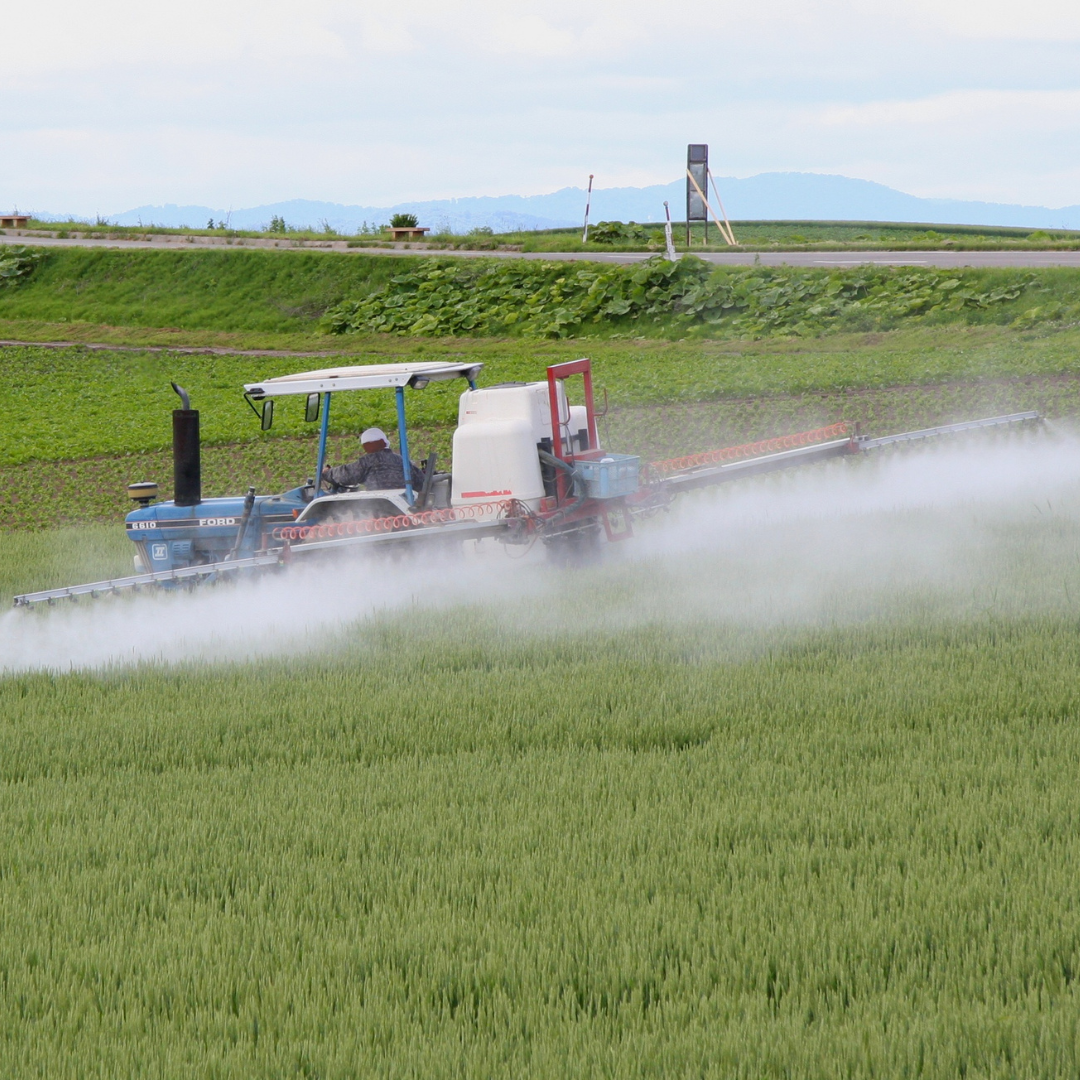
Pesticides and Herbicides: Consistent with previous research, a high lifetime burden of agricultural chemicals showed a strong correlation with the condition. The cumulative effect of these substances is thought to cause oxidative stress within the brain’s dopamine-producing regions.
Organic Solvents: Exposure to solvents—common in industries such as printing, dry cleaning, and painting—was linked to higher odds of parkinsonism. These chemicals can cross the blood-brain barrier and interfere with cellular function.
Heavy Metals: The study noted increased risks associated with long-term exposure to metals like manganese and lead. These risks are particularly relevant to professions such as welding, smelting, battery manufacturing, and industrial painting, where workers frequently inhale or handle metallic particulates. These elements can accumulate in the basal ganglia, the part of the brain responsible for coordinating movement.
Electromagnetic Fields (EMF): Interestingly, the research explored the burden of high-level ELF-EMF (Extremely Low-Frequency Electromagnetic Fields), often found in electrical occupations, suggesting a potential though complex association with neurodegenerative risk.
The "Cumulative Burden" Effect and Pre-existing Parkinson’s
One of the most important takeaways from this research is that the risk is often dose-dependent. A single year of exposure might not significantly move the needle, but a thirty-year career in an environment with low-level, persistent chemical presence creates a "lifetime burden" that the body may eventually be unable to compensate for.
Furthermore, for those who have already received a diagnosis, continuous exposure to these environmental toxins can potentially exacerbate the condition. If the biological systems responsible for clearing toxins are already compromised, ongoing contact with pesticides or heavy metals may accelerate neuronal decline and worsen motor and non-motor symptoms. This makes the reduction of environmental triggers a priority even after the onset of the condition.
Implications for Workplace Safety and Prevention
This data underscores the importance of stringent health and safety regulations in industrial and agricultural sectors. By understanding which specific agents carry the highest burden, it is possible to implement better protective equipment, improved ventilation, and more frequent rotations for workers in high-risk roles.
For clinicians, these findings provide a reason to take more detailed occupational histories. Understanding what a person was exposed to forty years ago can provide vital context for their current neurological health. As research continues to refine these Job Exposure Matrices, we move closer to identifying environmental causes that can be mitigated, potentially preventing the onset of the condition for future generations of workers.
Comments (0)
Loading comments...