


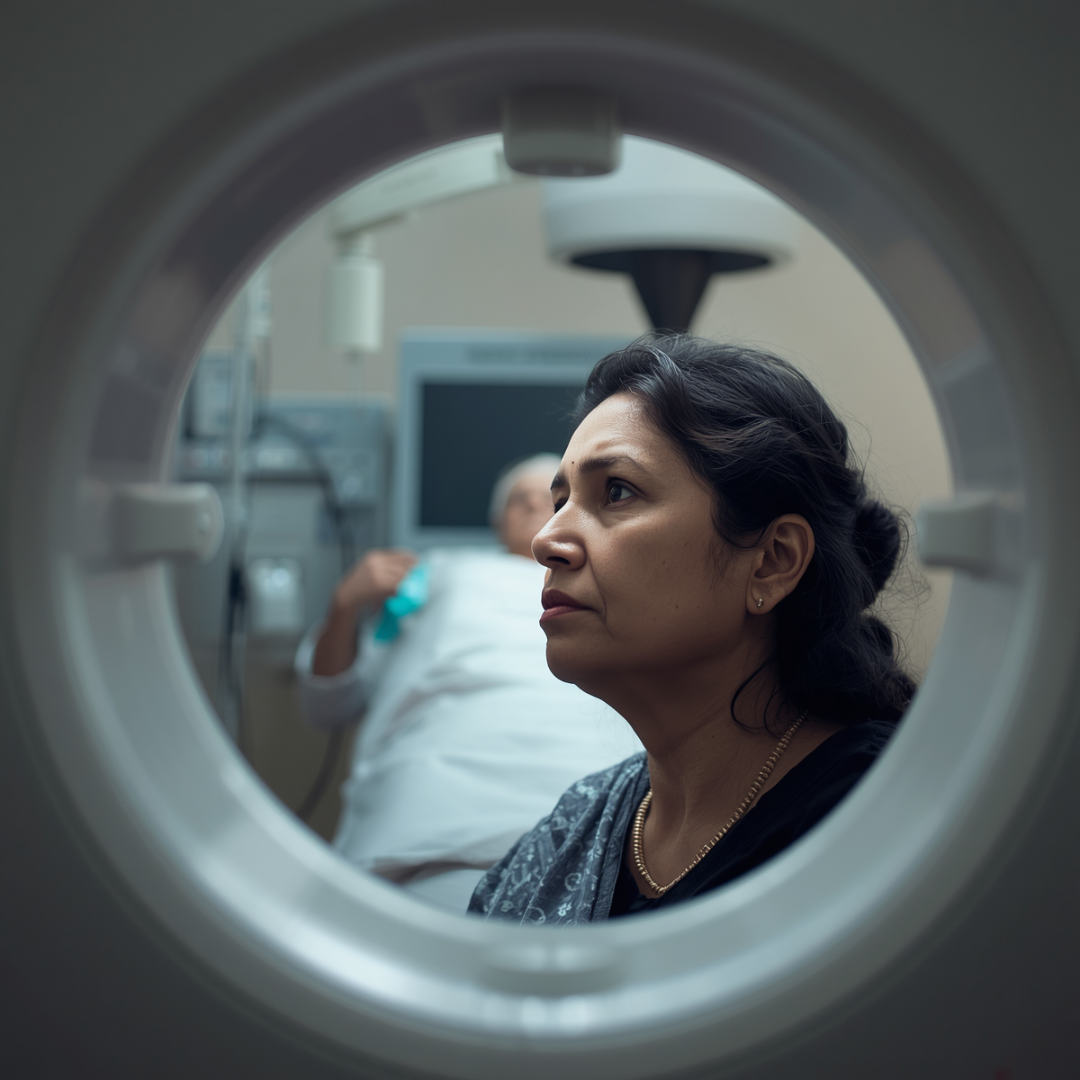
Mayo Clinic researchers launch a clinical trial to test low dose radiation for slowing Parkinson's progression
October 22, 2026
 Beatrice
Researchers at the Mayo Clinic in Rochester, Minnesota, have launched the first clinical trial of its kind to test whether gentle, targeted doses of radiation can calm brain inflammation and slow the progression of Parkinson's.
The word radiation usually brings cancer treatments to mind. In oncology, doctors use powerful beams of energy to destroy tumours and stop rogue cells from multiplying. Yet a team led by radiation oncologist Dr Yasamin Sharifzadeh and neurologist Dr Rodolfo Savica is flipping that concept on its head. Rather than trying to destroy tissue, they are using a fraction of the usual dose to see if it can act as a biological peacekeeper inside the brain.
Most existing therapies focus on managing day to day symptoms or topping up dopamine levels. Finding a universal way to actually slow the condition down has proven tricky because Parkinson's is not a single, uniform experience. As Dr Savica points out, it behaves more like a collection of related subtypes that differ biologically from one person to the next. Despite those differences, one common thread keeps showing up across almost every form of the condition, and that is neuroinflammation. When the immune system inside the brain stays switched on in a constant state of low grade alarm, it creates a hostile environment that stresses dopamine producing cells and accelerates the buildup of unwanted proteins.
Calming the brain rather than damaging tissue
The idea that radiation can soothe inflammation is not entirely new to medicine. For decades, doctors in parts of Europe have used ultra low dose radiation to calm painful, swollen joints in people with osteoarthritis when standard medications fail. Early laboratory studies have also hinted that tiny amounts of radiation can trigger antioxidant defences and encourage overactive immune cells to stand down. The Mayo Clinic trial, officially registered under the clinical trial identifier NCT07218952, is the first time scientists are testing this specific calming effect directly in the brains of people living with early stage Parkinson's.
Precision is at the heart of the protocol. Before any treatment begins, the medical team maps each participant's brain using standard MRI scans alongside specialized dopamine transporter imaging, known as a DaT scan. This combination allows the team to see the exact structure of the brain and pinpoint the specific regions where dopamine signalling is starting to falter.
Instead of exposing the whole brain to energy, the researchers use an advanced system called a TrueBeam linear accelerator. Using a technique known as dynamic conformal arc therapy, the machine rotates smoothly around the head, shaping the ultra low dose beams so they converge only on the tiny, pre mapped target areas involved in the condition.
What happens inside the trial
Because this is a pioneering safety and feasibility study, the team is starting small. They are enrolling 20 participants by invitation only at their Rochester campus. To keep the data as clear as possible, the trial is open to people aged between 45 and 70 who are in the early stages of the condition, specifically those whose symptoms currently affect only one side of their body and who have no known genetic link to Parkinson's. Participants also need to have been on a stable medication routine for at least three months prior to starting.
For those taking part, the treatment phase itself is remarkably brief. Participants visit the clinic once a day for five consecutive days. Each session on the treatment table lasts roughly 10 to 15 minutes and is completely painless.
The real detective work happens after the fifth session ends. The research team collects blood samples just six hours after the final treatment, and then brings participants back at three, six, and twelve months. During these follow up visits, scientists look for changes in inflammatory markers and abnormal protein accumulation in the blood, run repeat brain scans to check on dopamine levels, and track physical, cognitive, and emotional symptoms.
Keeping expectations grounded
It is always exciting to see fresh thinking enter the research pipeline, especially when it repurposes technology that hospitals already have in their basements. However, it is vital to view this trial for what it is. With just 20 participants and no placebo control group mentioned in the initial setup, this study is an early proof of concept rather than a proven therapy ready for the clinic.
Dr Sharifzadeh and her colleagues are not expecting an overnight miracle. Their goal right now is to gather foundational biological evidence. They want to prove that delivering ultra low dose radiation to specific corners of the brain is completely safe, and to see if the blood tests and scans show a measurable drop in inflammation over the course of a year. If the biological markers move in the right direction, this small trial in Minnesota could open the door to larger studies and give researchers a brand new angle for tackling the underlying drivers of the condition.
Comments (0)
Loading comments...