


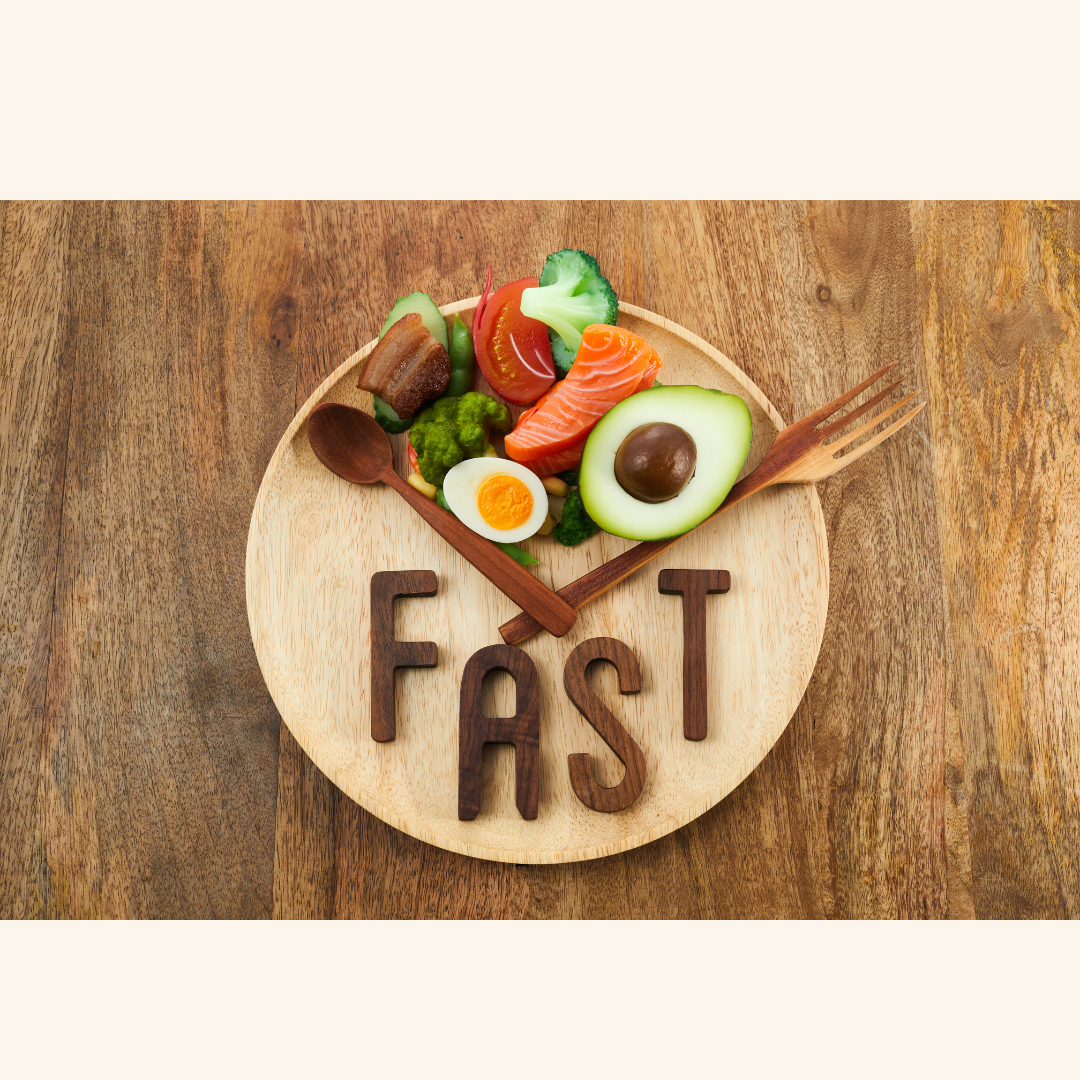
Could Skipping Dinner Help the Brain? Fasting Shows Promise in Parkinson’s
December 18, 2025
We often think of Parkinson's as a brain condition, but a new study published in npj Biofilms and Microbiomes suggests the solution might actually start in the stomach. Researchers have found that a specific dietary regime—alternate-day fasting—dramatically reduced symptoms and brain damage in mice with Parkinson's-like conditions.
The study focused on the "gut-brain axis," the direct communication line between your digestive system and your nervous system. In Parkinson's, this line is often buzzing with bad news; inflammation in the gut can travel up to the brain, worsening the clumps of toxic proteins (alpha-synuclein) that cause cell death.
To test if diet could interrupt this harmful call, researchers took mice with induced Parkinson’s and put them on an "alternate-day fasting" schedule—essentially, they ate normally one day and fasted the next. The results were striking. The fasting mice didn't just lose weight; they showed significantly less inflammation in the brain and, crucially, a reduction in the toxic protein clumps that drive the condition.
Why did it work? It appears that the fasting gave the gut a much-needed "time out," allowing the microbiome (the community of bacteria in the stomach) to reset. This reduced the inflammatory signals being sent to the brain, effectively cutting off the fuel supply for the neurodegeneration. While we can’t yet say if skipping meals will have the same effect in humans, this research adds a powerful piece of evidence to the idea that the way to a healthier brain is through a healthier gut.
A recent study showing that alternate-day fasting helps mice with Parkinson's has grabbed headlines, but the science behind it isn't new. In fact, it won a Japanese biologist the Nobel Prize. To understand why skipping a meal might help your brain, you have to understand a cellular process called autophagy.
In 2016, Yoshinori Ohsumi won the Nobel Prize in Medicine for decoding how this mechanism works. The word comes from Greek, meaning "self-eating." It sounds gruesome, but it is actually the body’s most brilliant housekeeping service. When your cells are starving—even for a short period—they don't just sit there. To survive, they start looking for "spare parts" to burn for energy. They hunt down old, damaged, or dysfunctional proteins and recycle them.
Taking Out the Trash This is the "magic" link to neurodegenerative conditions like Parkinson's and Alzheimer's. Both conditions are characterised by the accumulation of "junk" in the brain—clumps of toxic proteins (like alpha-synuclein or beta-amyloid) that the body fails to clear away. Dr. Ohsumi’s work suggests that fasting flips a switch that puts the cells into "cleanup mode." When you fast, your body stops focusing on digestion and starts focusing on repair, potentially breaking down these toxic clumps before they can kill the neuron.
Beyond the Brain The benefits of this "cellular spring cleaning" extend well beyond the brain:
Cancer: Cancer cells are essentially cells that have forgotten how to die or repair themselves. Autophagy can act as a tumour suppressor by removing damaged organelles that might otherwise turn cancerous.
Inflammation: As the recent mouse study confirmed, fasting calms the immune system. By giving the gut a break, you reduce the systemic inflammation that fuels everything from arthritis to heart disease.
Longevity: In almost every species studied, from worms to monkeys, calorie restriction and fasting are the most consistent ways to extend life span.
The Takeaway The new study on Parkinson's mice is simply the latest chapter in a story Dr. Ohsumi began decades ago. It reinforces the idea that we were not evolved to eat constantly. By occasionally letting the tank run empty, we might be giving our bodies the only chance they get to deep clean the engine.
Comments (0)
Loading comments...